
Introduction
Music is a universal language, and like any language, it has its alphabet, grammar, and rhythm. If you've ever wondered why a song sounds happy or sad, or how a guitarist can play a melody that feels familiar, the answer lies in the basic concepts of musical notes and scales. This article is your friendly primer to understanding those building blocks, and it's written for beginners and curious musicians alike.
What Are Musical Notes?
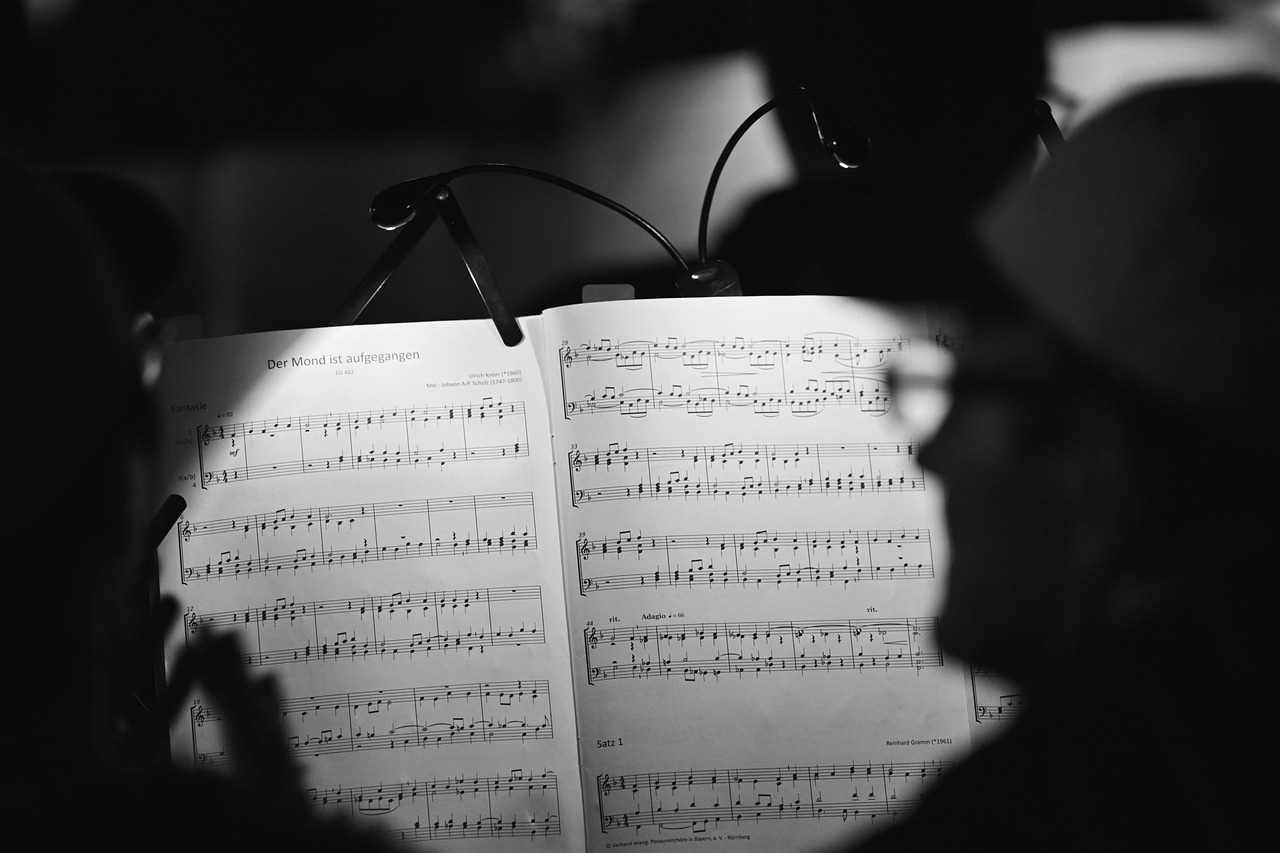
At its core, a musical note is a sound with a specific pitch and duration. Think of it as a single word in a song's sentence. The pitch tells you how high or low the sound is, while the duration determines how long it lasts. Notes are written on a staff, a set of five horizontal lines, and each line or space represents a different pitch.
The Musical Alphabet
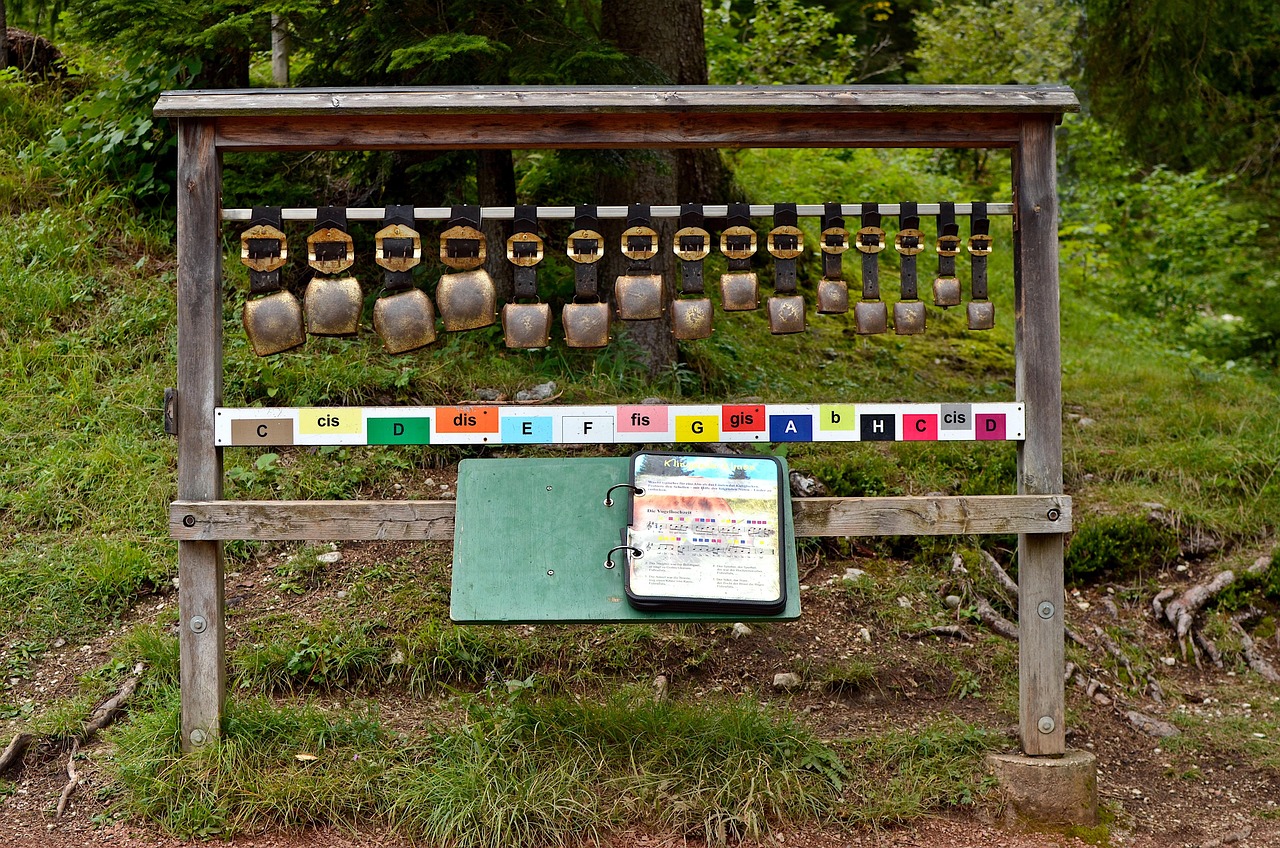
The Western musical system uses the letters A through G as the foundation for naming notes. After G, the alphabet repeats: A, B, C, and so on. These seven letters are the only ones used to label the basic pitches, but they can be altered with sharps (#) or flats (b) to create additional pitches between the natural notes. For example, the note between C and D is either C# (C sharp) or Db (D flat). When the same pitch is written in two different ways, they are called enharmonic equivalents.
Octaves and Pitch
An octave is the interval between one note and another that has exactly twice the frequency. On a piano, the C note in the first octave (C1) has a lower pitch than the C in the third octave (C3). Because the human ear perceives pitches in a cyclical pattern, all the C notes sound alike, just at different loudness levels. This repetition allows musicians to think of scales as patterns that repeat across octaves.
What Are Scales?
A scale is a sequence of notes ordered by pitch, usually within a single octave. Scales give music its tonal framework and help musicians know which notes sound good together. When you hear a song, you're hearing a melody that follows a particular scale, even if you don't realize it.
Types of Scales
- Major Scale - The most common scale, often described as sounding happy or bright. It follows the pattern: whole, whole, half, whole, whole, whole, half steps.
- Natural Minor Scale - Gives a more contemplative or somber feel. Its step pattern is: whole, half, whole, whole, half, whole, whole.
- Harmonic Minor - Adds a raised seventh note for a distinctive melodic twist, common in classical and metal music.
- Melodic Minor - Ascends with a raised sixth and seventh, then descends like the natural minor.
- Modes - Variations of the major scale that start on different degrees, such as Dorian, Phrygian, Lydian, and Mixolydian.
- Chromatic Scale - Includes all twelve semitones in an octave, useful for technical exercises.
How to Build a Scale
Building a scale is simple once you know the step pattern. Let's create the C major scale together:
- Start on C.
- Move up a whole step to D.
- Another whole step to E.
- A half step to F.
- Whole steps to G, A, and B.
- Finish with a half step back to C.
Now you have the notes C, D, E, F, G, A, B - the foundation for countless songs. Try the same pattern on a different starting note, and you'll create a new major scale.
Practical Tips for Learning Scales
- Use a metronome. Start slow and gradually increase tempo as your muscle memory improves.
- Practice in different keys. This expands your ear and keeps practice fresh.
- Apply scales to real songs. Identify the scale a favorite track uses and play along.
- Record yourself. Listening back helps you spot mistakes and track progress.
- Keep a practice log. Note what you practiced, how long, and what felt good or challenging.
Common Questions Answered
- What is the difference between a note and a tone? A note is a specific pitch; a tone refers to the distance between two notes, such as a whole tone or semitone.
- How many notes are in a scale? Most scales contain seven distinct notes per octave, but chromatic scales use all twelve.
- Can I play a song in any key? Yes, transposing a song to a different key involves shifting all its notes by the same interval.
- What about accidentals? Accidentals like sharps, flats, and naturals modify the pitch of a note within a scale.
- Why do some songs sound "off"? They may use modes, pentatonic scales, or chromaticism, which add color beyond the standard major/minor framework.