
Introduction
Every song you love begins as a series of notes on a page. Learning how to read sheet music opens a door to endless possibilities - whether you're playing piano, guitar, violin, or singing. In this guide, we'll break down the core elements of sheet music so you can start interpreting and performing with confidence.
1. Understanding the Staff
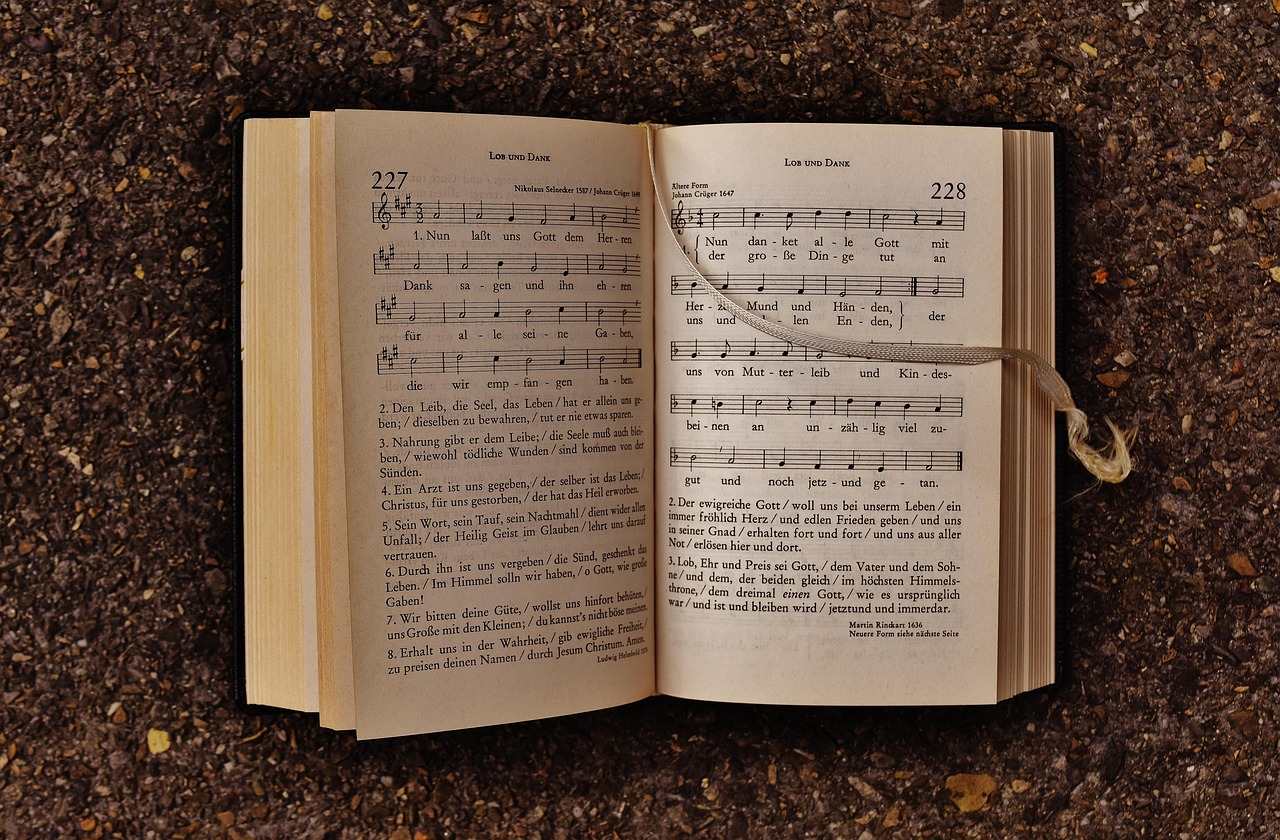
The staff is the foundation of any musical score. It consists of five horizontal lines and the spaces between them, each representing a different pitch.
- Lines and Spaces: In treble clef, the bottom line is G, and the top line is F. Spaces read from bottom to top as A, B, C, and D.
- Clefs: The treble clef is common for higher‑range instruments, while the bass clef is used for lower ranges. Some scores use both (grand staff) for piano.
2. Key Signatures
Key signatures appear right after the clef and tell you which notes are consistently sharp or flat throughout the piece.
- Sharps and Flats: A sharp raises a note by a semitone, a flat lowers it. The pattern of sharps or flats follows a predictable order.
- Major vs. Minor: The key signature also indicates whether the piece is in a major or minor mode, affecting its overall mood.
3. Time Signatures
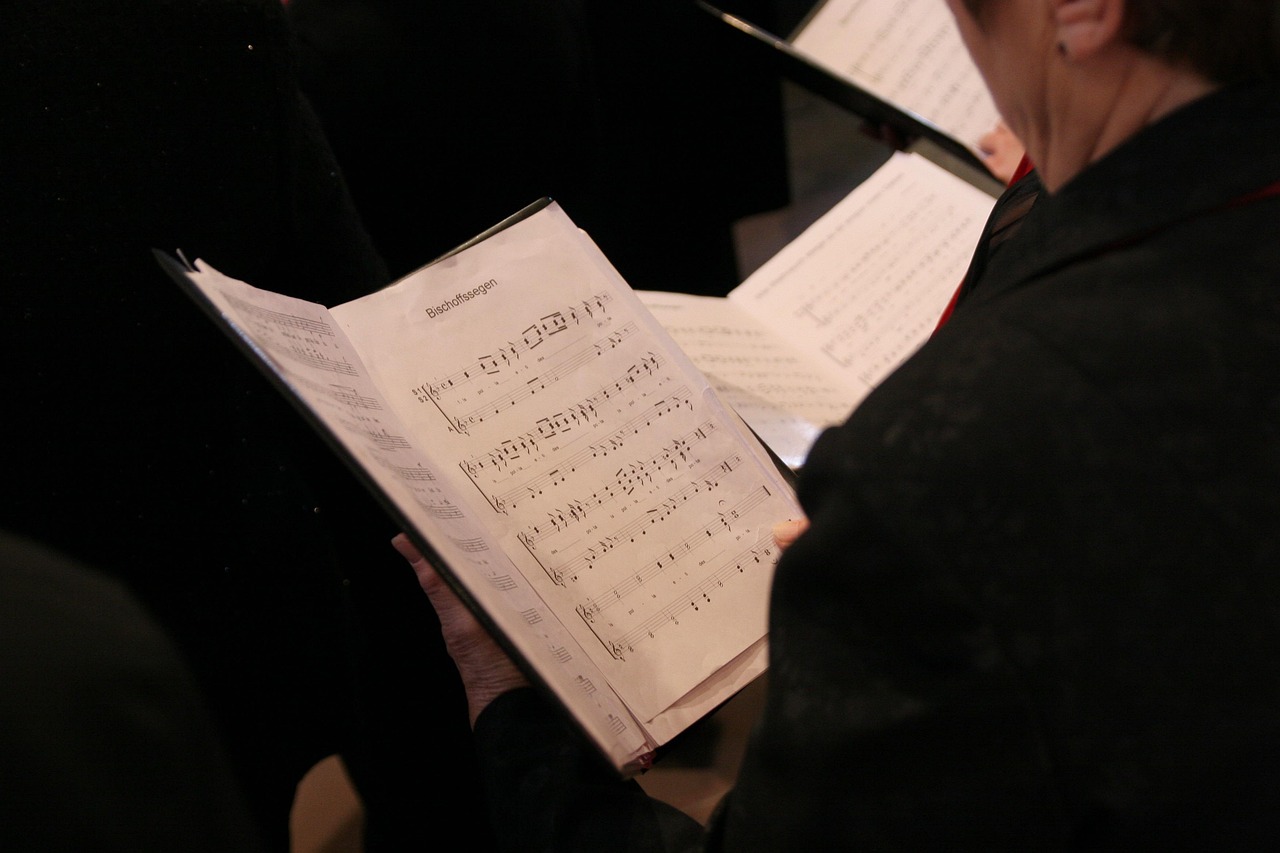
Time signatures sit at the beginning of each staff, indicating the rhythmic structure.
- Top Number: Shows how many beats are in a measure.
- Bottom Number: Indicates the note value that receives one beat (e.g., 4 = quarter note).
- Common Types: 4/4 (common time), 3/4 (waltz), 2/2 (cut time).
4. Notes & Rests
Notes represent sound, while rests represent silence. Each has a specific shape and duration.
- Whole, Half, Quarter, Eighth, Sixteenth: The shape of the note head and the presence of stems or flags determine its length.
- Rests: Mirror the note shapes but appear as blank spaces on the staff.
- Ledger Lines: Extend the staff to notate pitches above or below the standard range.
5. Dynamics
Dynamics tell you how loudly or softly to play.
- pp (pianissimo): Very soft.
- ff (fortissimo): Very loud.
- mf, mp, etc.:** Gradations between.
- Dynamic Markings: Symbols like f, p, cresc., decresc. indicate changes.
6. Articulations & Expression
Articulations shape how notes are played, adding character.
- Staccato: Short, detached notes.
- Legato: Smooth, connected notes.
- Accent: Emphasizes a particular note.
- Grace Notes: Quick ornamental notes before the main note.
7. Practice Tips for Reading Sheet Music
- Start Simple: Begin with easy pieces that use only the treble clef and common time.
- Use a Metronome: Keep steady tempo while you focus on reading.
- Segment the Score: Break the piece into small measures and master each before moving on.
- Play by Ear: After learning the notes, try to play them from memory to reinforce recognition.
- Consistent Review: Regular practice builds muscle memory for reading.
8. Common Questions About Reading Sheet Music
- What does a "clef" do? It assigns specific pitches to the lines and spaces of the staff.
- How do I know when to switch clefs? Many scores indicate clef changes with a clef symbol and a note to transition to.
- What if the key signature changes mid‑piece? A new key signature will appear at the start of a new section, and you must adjust your playing accordingly.
- Can I ignore dynamics? Dynamics bring expression; ignoring them makes the performance flat.
- Do I need to know all the note names? Knowing them speeds up reading, but you can learn them gradually.