
What Is Sheet Music?
Sheet music is the written language of music. It tells a performer what notes to play, how long to hold them, and how loudly or softly to play. Whether you're a guitarist, pianist, or vocalist, learning to read music opens up a world of new songs and creative possibilities.
1. The Staff - The Backbone of Music
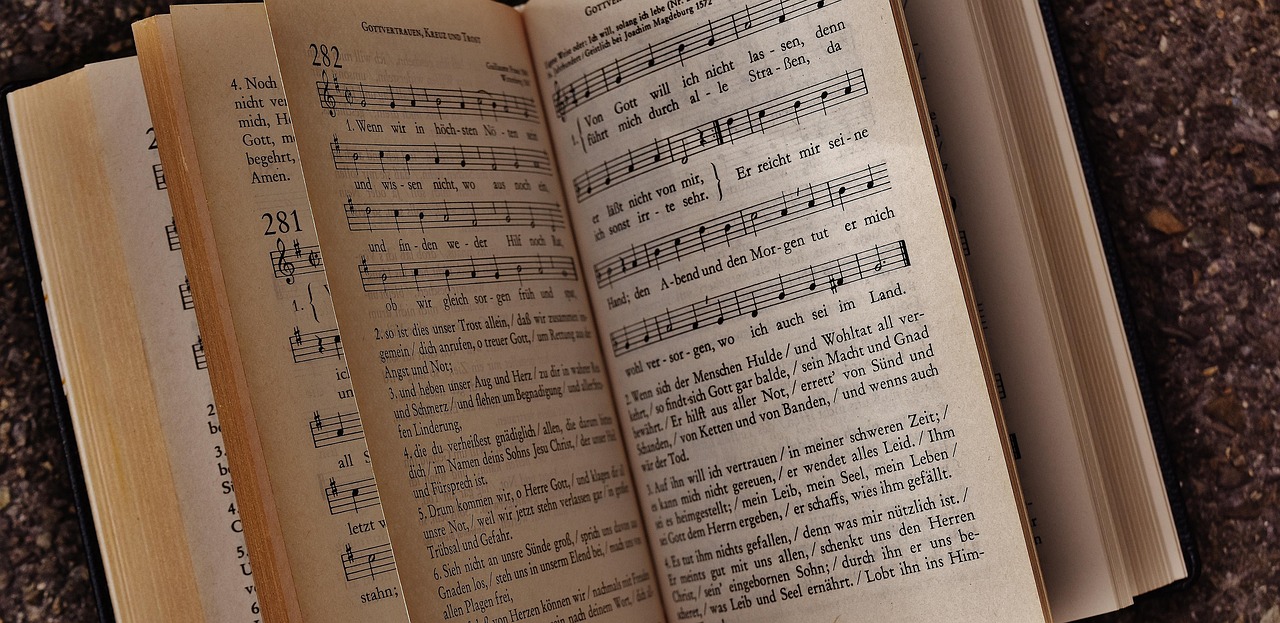
A staff is a set of five horizontal lines and the four spaces between them. Notes are placed on these lines or spaces to indicate pitch.
- Lines: From bottom to top - 1, 2, 3, 4, 5.
- Spaces: From bottom to top - a, b, c, d.
2. Clefs - The Key to Pitch
Clefs tell you which pitch corresponds to each line or space. The most common clefs are:
- Treble Clef: Used for higher voices and instruments like piano right hand, violin, flute.
- Bass Clef: For lower voices and instruments like piano left hand, cello, trombone.
- Alto Clef: Common for alto saxophone and viola.
3. Notes and Their Values
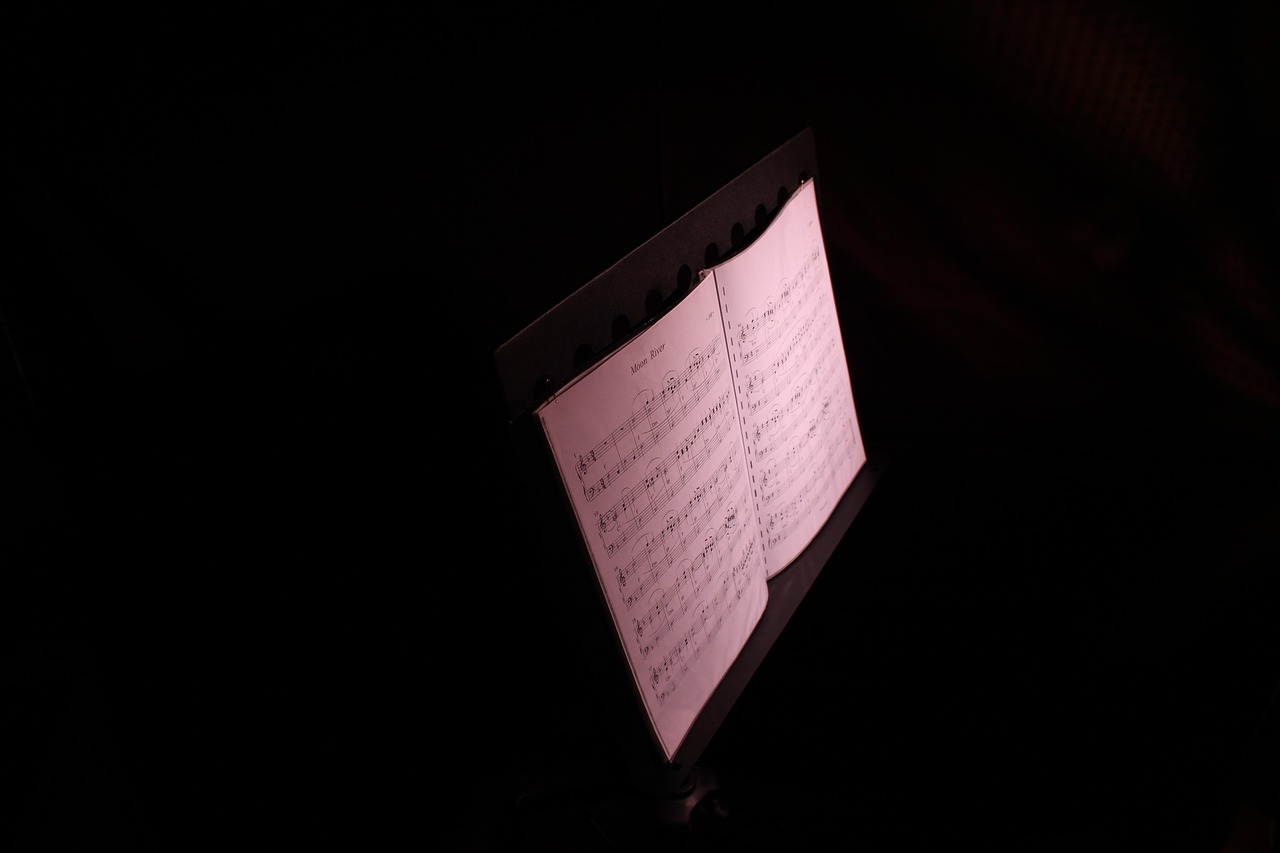
Notes are symbols that show pitch and duration. Here's a quick rundown:
- Whole Note: 4 beats.
- Half Note: 2 beats.
- Quarter Note: 1 beat.
- Eighth Note: ½ beat.
- Sixteenth Note: ¼ beat.
Rhythms are often marked with rests - silences of the same durations.
4. Time Signatures - The Pulse of the Piece
The time signature appears at the start of a piece and indicates how many beats are in each measure and which note value gets one beat.
- 4/4 - Four beats per measure, quarter note gets one beat.
- 3/4 - Three beats per measure, quarter note gets one beat (waltz time).
- 2/4 - Two beats per measure, quarter note gets one beat.
5. Key Signatures - The Key of the Song
Key signatures are groups of sharps (#) or flats (b) at the beginning of each staff. They tell you which notes are consistently sharp or flat throughout the piece.
- G Major: One sharp (F#).
- F Major: One flat (Bb).
- C Major: No sharps or flats (the "all‑natural" key).
6. Dynamics - The Volume of Emotion
Dynamics indicate how loud or soft a passage should be. Common dynamic markings include:
- p (piano) - soft.
- f (forte) - loud.
- mf (mezzo‑forte) - moderately loud.
- pp (pianissimo) - very soft.
- ff (fortissimo) - very loud.
7. Articulation and Expression Marks
These marks guide how you shape each note:
- Staccato (.) - short, detached notes.
- Legato ( - ) - smooth, connected notes.
- Accent (>) - emphasize a single note.
- Tenuto ( - ) - hold a note slightly longer.
8. Common Mistakes to Avoid
- Assuming the staff always starts at the same pitch - clefs change the mapping.
- Reading rhythm in isolation - always keep the time signature in mind.
- Forgetting the key signature - sharps and flats change the sounding pitch.
- Ignoring dynamics - music feels flat without volume contrast.
9. Practical Tips to Hone Your Reading Skills
- Practice with a metronome: Keep your timing steady.
- Sing the notes: Vocalizing helps internalize pitch.
- Use a staff notebook: Draw the staff and write notes as you practice.
- Start with simple songs: Nursery rhymes or folk tunes are great for beginners.
- Play along with recordings: Match what you read to what you hear.
10. Resources to Keep Learning
- Free online ear‑training apps to match pitch.
- Printable staff paper for daily practice.
- Music theory books focused on notation basics.
- Video tutorials that walk through each symbol step‑by‑step.