
Introduction
Hip‑hop began as a raw, community‑driven movement in the South Bronx during the late 1970s. What started as block parties and freestyle battles quickly evolved into a cultural force that now resonates in every corner of the globe. Whether you're a seasoned fan or just curious, this article explores how hip‑hop has grown worldwide, the unique sounds it has sparked in different regions, and how you can engage with this dynamic art form.
From the Bronx to the World: The Early Years
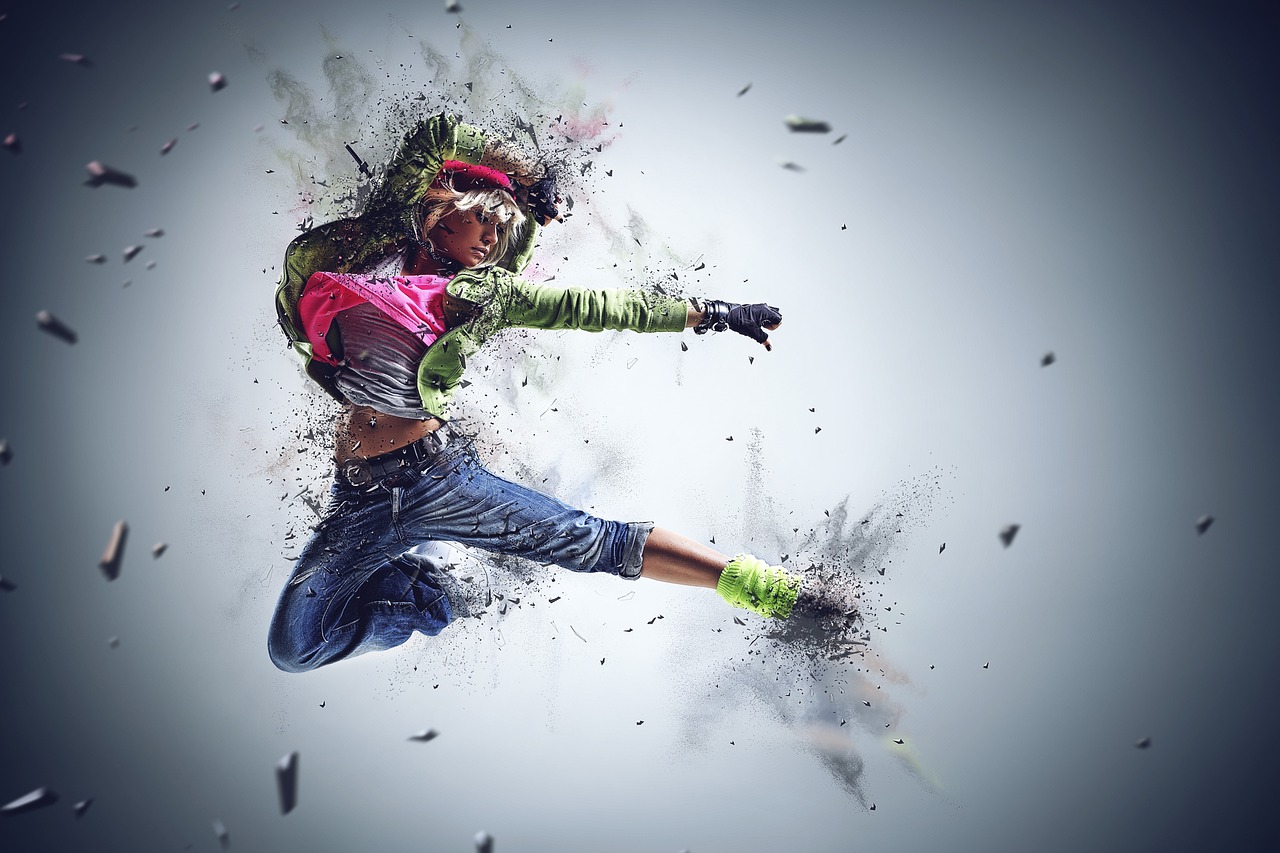
The foundation of hip‑hop rests on four pillars: DJing, MCing, Breakdancing, and Graffiti. These elements combined to create a multimedia experience that captured the imagination of marginalized communities. DJs like Kool Herc, Grandmaster Flash, and Afrika Bambaataa turned backbeats into a new rhythm, while MCs used lyrical storytelling to speak truth to power.
As word spread beyond New York, the sound reached the West Coast, the Midwest, and even overseas through mixtapes, radio, and touring artists. By the mid‑1980s, hip‑hop was already a global conversation, with artists in the UK, France, and Japan adapting the style to local languages and cultural references.
How Hip‑Hop Spread: Channels and Catalysts
- Music Festivals and Tours: International tours by pioneers like Run‑D.M.C. and Public Enemy opened doors for local scenes.
- Radio and Television: Shows such as BBC Radio 1's "The Hip‑Hop Show" and MTV's "Yo! MTV Raps" amplified the genre's reach.
- Record Labels and Independent Producers: Labels like Def Jam and independent distributors helped local artists distribute their music worldwide.
- Digital Platforms: Online sharing, streaming, and social media now let artists from any city upload tracks that can go viral instantly.
Local Flavors: Hip‑Hop Around the World
Hip‑hop's adaptability is one of its greatest strengths. Here's a quick tour of how different regions have embraced and transformed the genre:
- South America: In Brazil, rap has merged with samba and funk, creating a high‑energy, socially conscious sound that tackles inequality and corruption.
- Europe: French rap, or "rap français," is known for its poetic lyricism and political edge, while the UK's grime scene blends hip‑hop with electronic beats and rapid delivery.
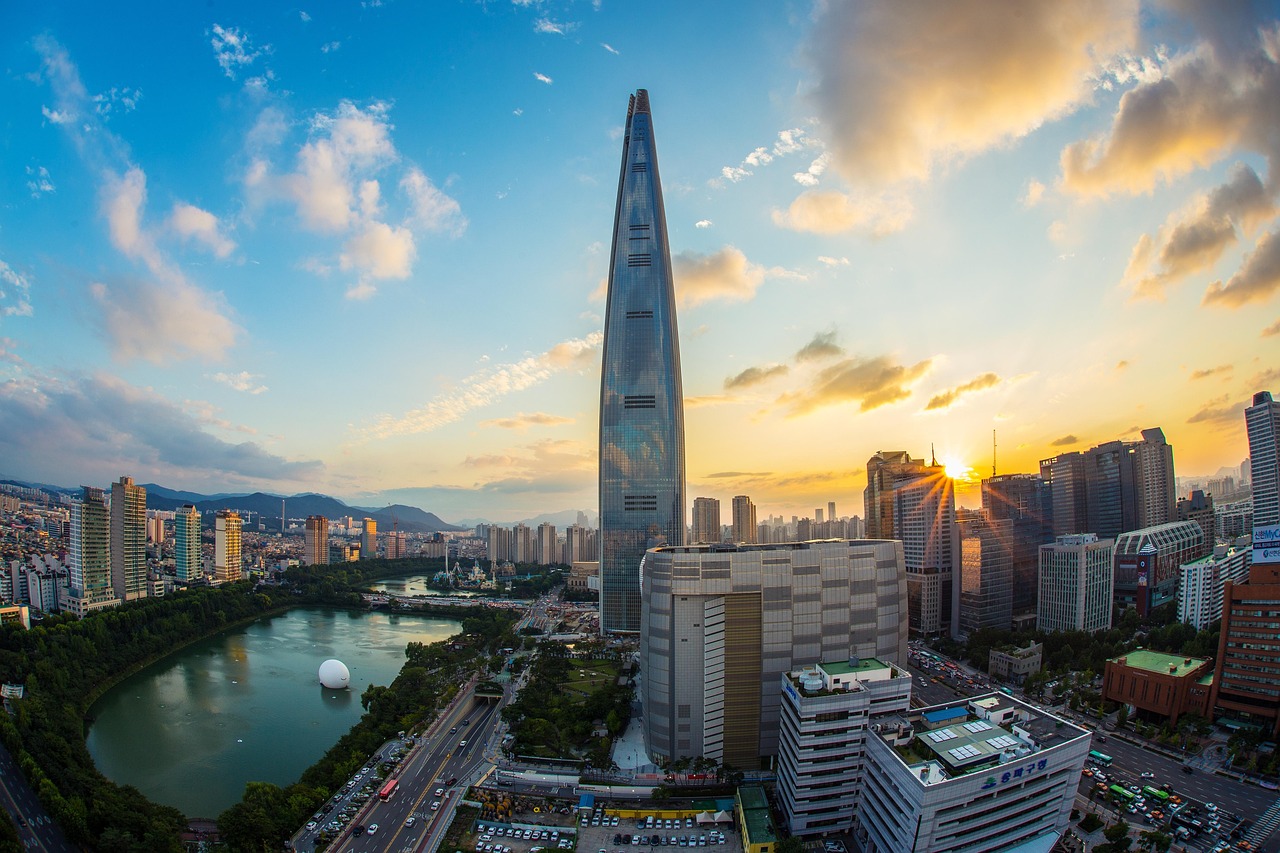
- Asia: In South Korea, K‑hip‑hop blends traditional Korean instruments with contemporary beats, while in Japan, rap often incorporates elements of J‑pop and anime culture.
- Middle East: Arabic hip‑hop uses classical maqam scales, and artists like DAM in Palestine speak against oppression while maintaining a global appeal.
- Africa: Nigerian artists like Naira Marley and Burna Boy fuse Afro‑beat with hip‑hop, creating infectious rhythms that dominate dance floors worldwide.
Common Questions About Global Hip‑Hop
Q: Is hip‑hop only about rap?
While rap is a core component, hip‑hop culture also includes DJing, beatmaking, dance, fashion, and visual art. Many artists focus on production and beat creation rather than vocal performance.
Q: How can I discover new hip‑hop from other countries?
Streaming services like Spotify, Apple Music, and YouTube curate playlists that highlight international rap. Following local music blogs and attending online live sessions can also expose you to fresh talent.
Q: Does hip‑hop always carry political messages?
Not necessarily. While many artists use the platform for activism, others focus on personal narratives, lifestyle, or entertainment. The diversity of content is part of what keeps hip‑hop vibrant.
Practical Ways to Engage With Global Hip‑Hop
- Explore Curated Playlists: Look for "World Hip‑Hop" or "International Rap" collections on major streaming services.
- Attend Virtual Concerts: Many festivals now stream live shows featuring international line‑ups.
- Learn a Beat: Use free tutorials to create simple drum patterns that mimic regional styles.
- Support Local Artists: Purchase merch, stream their tracks, or share their music on social media.
- Connect with Communities: Join online forums or Discord servers dedicated to global rap to discuss and discover new music.
The Future of Hip‑Hop: A Continual Evolution
Hip‑hop's global journey shows that it thrives on collaboration, experimentation, and cultural exchange. As technology makes music production more accessible, we can expect even more hybrid sounds, blending traditional instruments with digital beats. The genre's ability to reflect social realities will continue to make it a powerful voice for generations to come.