
Why the Earth Moves
When you feel the floor rattle, you're witnessing a powerful natural process that has been shaping our planet for billions of years. Earthquakes aren't random; they are the result of stresses building up in the Earth's crust and then being released suddenly. Understanding the root causes helps us predict risks, design safer buildings, and respond more effectively when the ground starts to move.
Plate Tectonics: The Main Driver

The planet's outer shell is divided into several large and small plates that float on the semi‑fluid mantle beneath. These plates drift at a few centimeters per year, and their interactions are the primary cause of most earthquakes. There are three main types of plate boundaries where stress accumulates:
- Convergent boundaries - plates collide. One plate may dive beneath another, creating powerful thrust faults that can generate deep, high‑energy quakes.
- Divergent boundaries - plates pull apart. The stretching of the crust creates normal faults, often associated with volcanic activity.
- Transform boundaries - plates slide past each other. The friction along the fault line stores energy until it's released in a sudden slip.
Most major earthquakes occur along transform boundaries, such as the famous San Francisco fault, or at convergent zones where one plate is forced under another, like the Pacific plate under the North American plate.
Other Factors That Can Trigger Earthquakes
While tectonic plates are the main culprit, several secondary factors can also trigger seismic activity:
- Volcanic activity - Magma movement beneath volcanoes can create pressure that fractures the surrounding rock, leading to volcanic earthquakes.
- Human activities - Large‑scale water injection, mining, and the extraction of oil and gas can alter stress fields in the crust. Induced seismicity is a growing area of study, especially where hydraulic fracturing is used.
- Collapse of underground voids - When large cavities such as caves collapse, the sudden shift can cause minor ground shaking, sometimes called a collapse quake.
What Happens When the Earth Quakes?
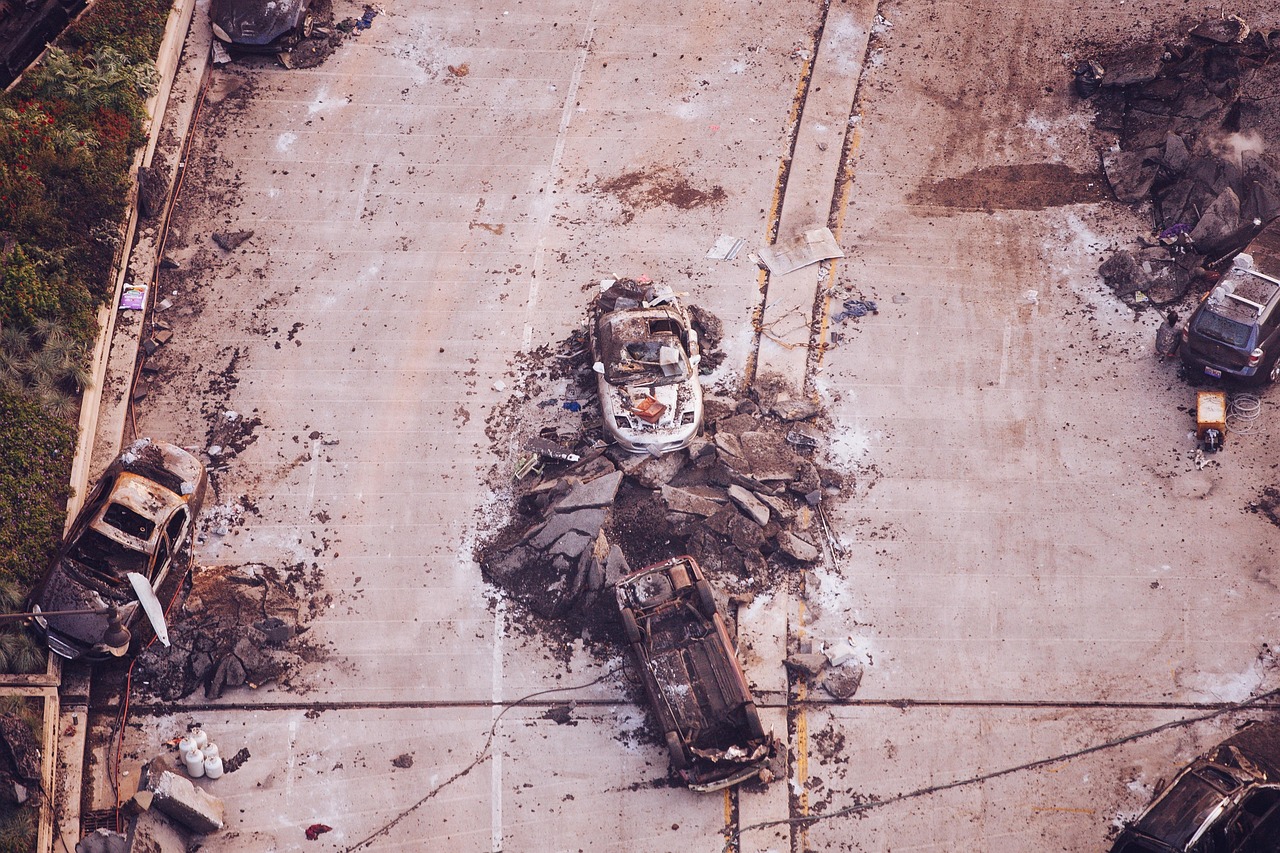
When accumulated stress exceeds the strength of the rocks, the fault slips. This rapid movement sends seismic waves radiating outward. The intensity felt at the surface depends on several factors:
- Depth of the rupture - Shallow earthquakes (within the first 70 km) tend to be more destructive because the energy has less distance to travel before reaching the surface.
- Distance from the epicenter - The closer you are, the stronger the shaking.
- Local soil conditions - Soft soils can amplify seismic waves, while bedrock tends to dampen them.
After the main shock, aftershocks - smaller quakes - can follow for days, weeks, or even years, as the crust readjusts to the new stress distribution.
How to Stay Prepared
Knowing the science behind earthquakes gives you a solid foundation for preparedness. Here are practical steps you can take:
- Secure heavy furniture - Anchor bookshelves, cabinets, and tall appliances to walls.
- Use flexible connections - Install flexible pipe fittings and secure water lines to reduce damage.
- Plan escape routes - Identify the safest path out of rooms and practice drills with your family.
- Keep an emergency kit - Store water, non‑perishable food, flashlights, batteries, a first aid kit, and a whistle.
- Check building codes - If you own a home, verify that it meets the latest seismic design standards for your region.
Common Questions Answered
Q: Can earthquakes be predicted? While we can forecast the general probability of an earthquake in a region, pinpointing the exact time, place, and magnitude remains beyond current technology.
Q: Why do some places have more earthquakes? Regions that sit near active plate boundaries, such as the Pacific "Ring of Fire," experience more frequent and stronger earthquakes because of the intense tectonic activity.
Q: Are all earthquakes the same? No. They vary in depth, magnitude, and type of fault motion. Each type affects the ground differently, which is why building codes vary by region.
Understanding what really causes earthquakes equips you with the knowledge to protect yourself and your loved ones. By staying informed, planning ahead, and building resilient homes, you can reduce the impact of these powerful natural events and keep calm when the ground starts to shake.