
The Climate Connection: What Drives More Disasters
When the planet warms, the energy stored in the atmosphere and oceans shifts. That extra heat changes weather patterns, making extreme events more likely and often more intense. Think of it as a thermostat that keeps turning up: the hotter the Earth, the more water evaporates, the stronger winds can become, and the seas rise. Together, these changes create a perfect storm for disasters.
Heatwaves, Droughts, and Fires
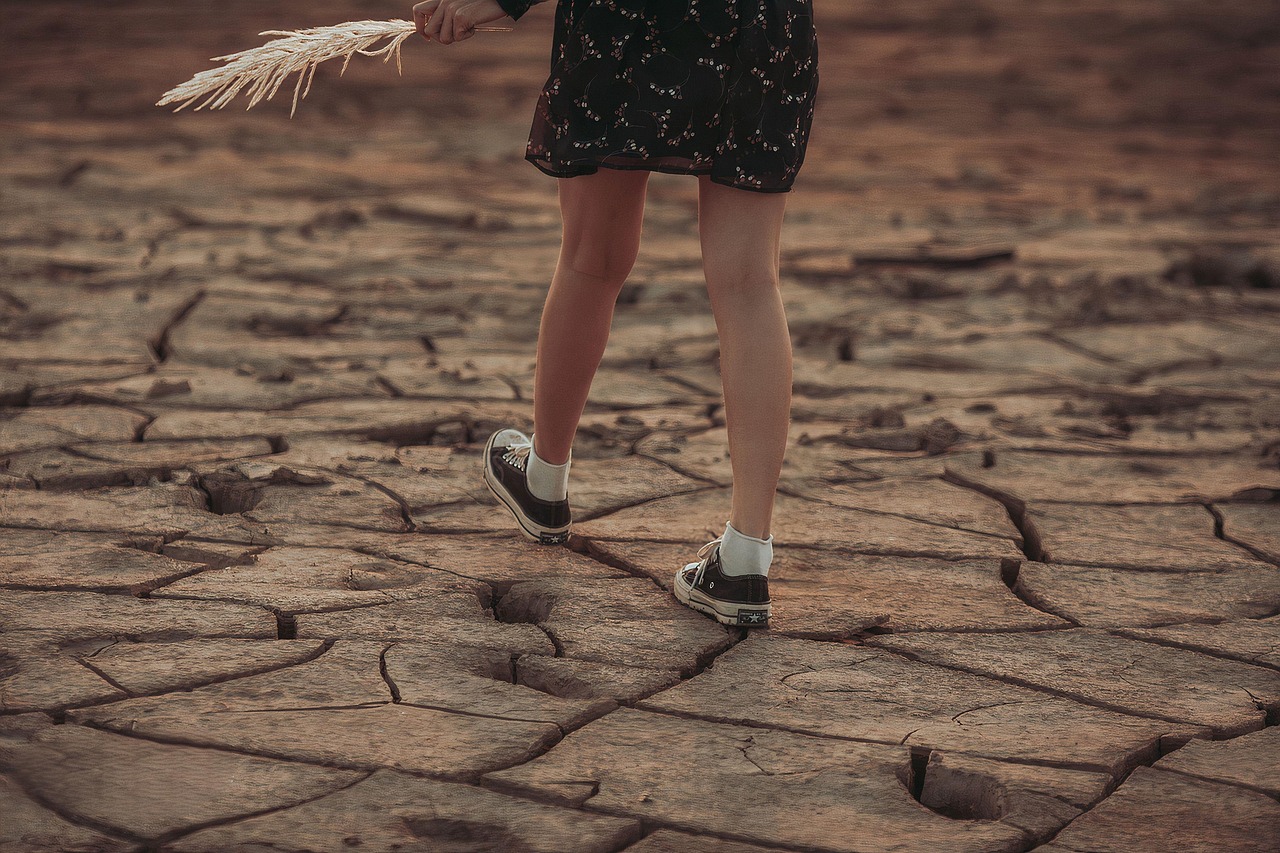
Higher temperatures increase the likelihood of prolonged heatwaves. Those hot days dry out vegetation, turning forests and grasslands into tinderboxes. When lightning strikes or human activity ignites a spark, the result is a wildfire that can spread faster and burn deeper. In many regions, the number of large fires has doubled over the past few decades, and the average size of a single fire has grown.
- Heatwave Impact: Longer, hotter spells strain water supplies and agriculture.
- Fire Spread: Dry fuels and higher winds make containment harder.
- Wildlife Stress: Species lose habitat and face higher mortality.
Rising Seas and Storm Surges
Melting ice caps and thermal expansion cause sea levels to climb. When storms hit coastlines, the higher baseline water level amplifies storm surges. Even a moderate tropical storm can flood low - lying areas, damage infrastructure, and displace communities. Coastal erosion also speeds up, leaving shorelines vulnerable to future events.
- Flooding: More water means higher flood depths.
- Infrastructure: Roads, bridges, and utilities face increased risk.
- Salinization: Saltwater intrudes into freshwater aquifers.
Heavy Rainfall and Flooding
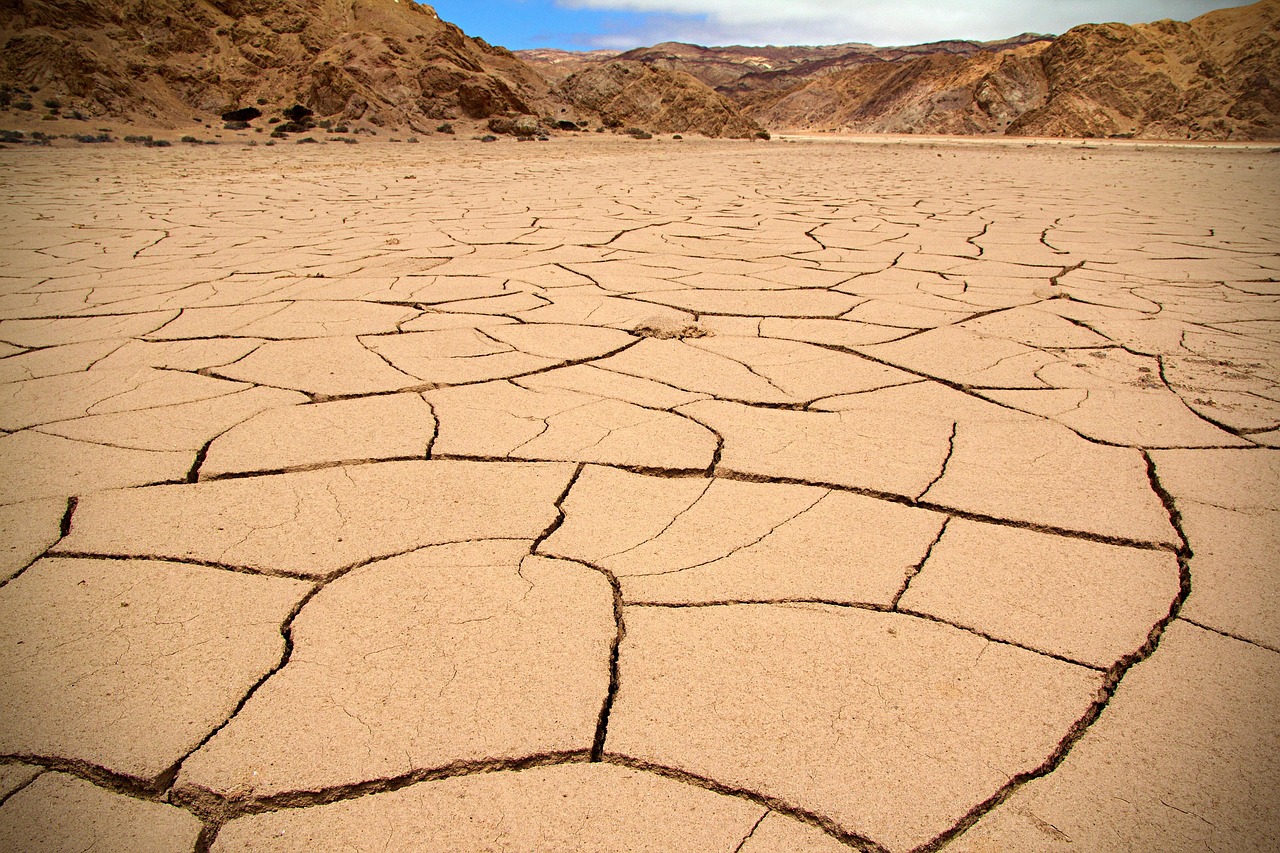
Warmer air holds more moisture - up to 7% more for every 1°C rise. This means when storms arrive, they can dump more rain in a shorter time, overwhelming drainage systems. Urban areas with impermeable surfaces are especially prone to flash floods, while rural regions may see rivers swell beyond their banks.
- Urban Flooding: Stormwater systems can't keep pace.
- River Floods: Agricultural lands and towns along rivers face higher risk.
- Infrastructure Damage: Bridges, culverts, and pipelines can fail.
Changing Wind Patterns and Hurricanes
Global warming fuels the energy available for storms. Tropical cyclones can reach higher wind speeds, accumulate more moisture, and maintain strength farther from the coast. The combination of stronger winds and heavier rain makes coastal flooding and wind damage a double threat.
- Intensity: Hurricanes now reach higher categories more frequently.
- Longevity: Storms can stay on the water longer, delivering more rainfall.
- Track Shifts: Storm paths can change, bringing danger to previously safe areas.
The Ripple Effect on Communities
Disasters aren't just weather events - they're social and economic crises. Loss of homes, disruption of services, and the strain on emergency resources can leave lasting scars. Communities that are already vulnerable - due to poverty, lack of infrastructure, or limited access to information - face the greatest challenges.
Resilience begins with understanding risk. Communities that invest in green infrastructure, like wetlands and permeable pavements, can reduce flood impact. Local governments that enforce building codes in flood zones and support early‑warning systems can save lives and money.
Questions You Might Have
- Why are floods happening more often? It's the combination of higher rainfall intensity and overwhelmed drainage systems.
- Can we stop wildfires? Reducing fuel loads, improving fire‑resistant building materials, and timely suppression are key.
- What can individuals do? Stay informed, create emergency plans, and support climate‑action policies.
Practical Ways to Prepare and Protect
- Stay Informed: Subscribe to local alerts, monitor weather apps, and know evacuation routes.
- Build Resilience: improve critical appliances, install sump pumps, and use flood‑proof construction materials.
- Protect Your Home: Seal windows, reinforce roofs, and clear gutters to ensure proper drainage.
- Community Action: Join neighborhood watch groups, volunteer for emergency response teams, and advocate for green spaces.
- Support Policies: Vote for leaders who prioritize climate science and invest in infrastructure.
Bottom Line
Climate change is not a distant threat - it's reshaping the natural world in real time. By understanding how warming fuels wildfires, floods, storms, and other disasters, we can take informed action. Whether it's updating building codes, planting trees, or staying alert during a heatwave, every step counts toward a safer, more resilient future.