
What Is El Niño?
El Niño (Spanish for "the boy" or "the child") is a natural climate pattern that occurs roughly every few years in the Pacific Ocean. It's the warm‑phase counterpart of a related phenomenon called La Niña, which brings cooler sea surface temperatures. Together, these events make up the larger El Niño‑Southern Oscillation (ENSO) cycle.
During an El Niño event, the trade winds that normally blow from east to west across the equatorial Pacific weaken or even reverse. This change allows warm surface water to pile up along the western coast of South America and spreads warmer water across the central Pacific. The shift in ocean temperatures, in turn, nudges the planet's atmospheric circulation, creating a domino effect that can alter weather patterns worldwide.
How Does El Niño Form?
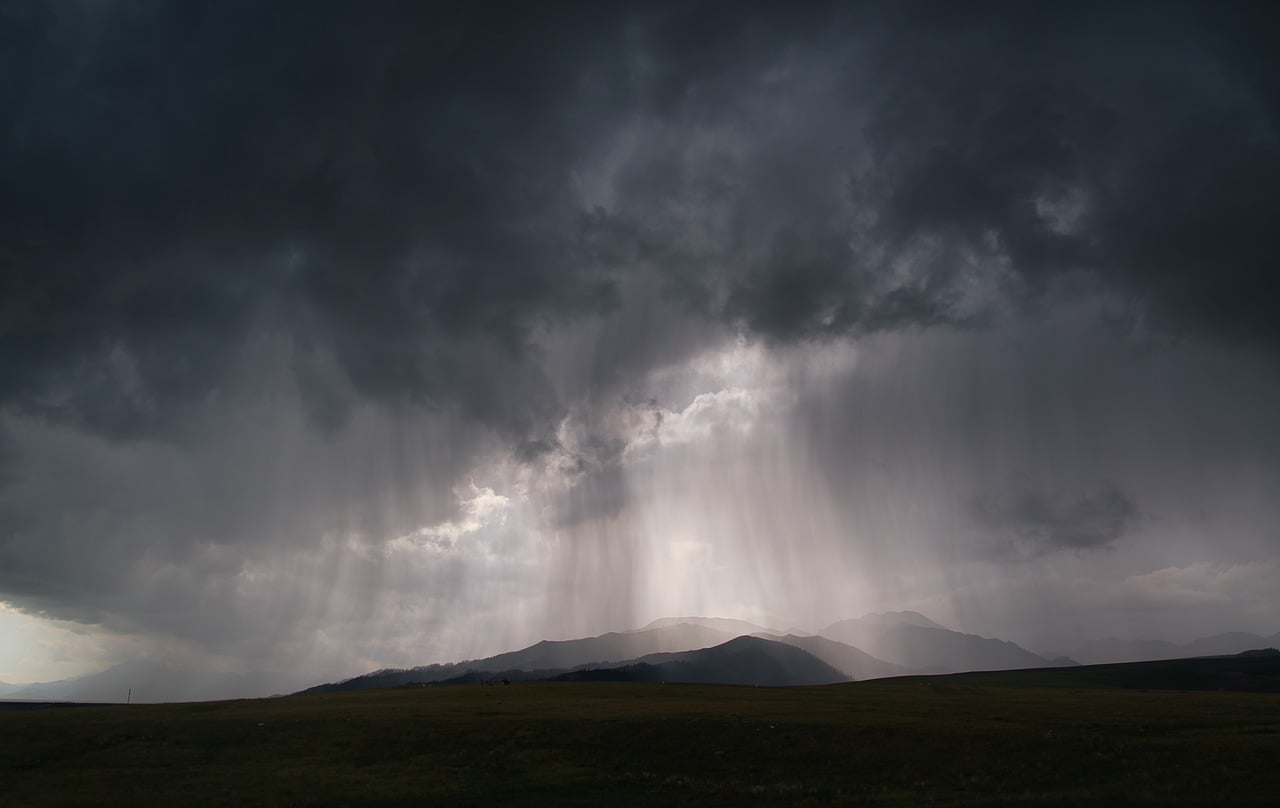
The formation of El Niño is a complex dance between the ocean and the atmosphere. Key steps include:
- Weakening of Trade Winds: The usual easterly winds that push warm water westward start to slow down.
- Warm Water Accumulation: With fewer winds to push it, warm water moves eastward, raising sea surface temperatures in the central and eastern Pacific.
- Atmospheric Feedback: The warmer ocean heats the air above it, reducing the pressure difference that drives the trade winds, further weakening them - a positive feedback loop.
- Shift in Rainfall: The altered pressure patterns change where storms form, leading to increased rainfall in some regions and drought in others.
Common Questions About El Niño
- How long does an El Niño last? A typical event can last from several months to a year, but the intensity and duration vary.
- Can El Niño happen more than once in a decade? Yes, though the interval between events is usually 2 - 7 years.
- Is El Niño the same as a global warming trend? No. El Niño is a natural, cyclical pattern, while global warming refers to the long‑term rise in Earth's average temperature.
- Will El Niño cause disasters? It can intensify existing weather extremes - storms, floods, and droughts - but it is not a disaster in itself.
Why El Niño Matters
El Niño's influence extends far beyond the Pacific Ocean. Here's why it matters for many of us:
- Food Security: Warmer waters and altered rainfall patterns can devastate fisheries off the coast of Peru and Ecuador, where the world's largest tuna stocks reside. At the same time, droughts in West Africa and India can reduce crop yields, threatening food supplies.
- Public Health: Increased rainfall and warmer temperatures can create breeding grounds for mosquitoes, boosting the spread of diseases like dengue and Zika. Conversely, drought can force communities to use contaminated water sources, raising the risk of water‑borne illnesses.
- Economic Impact: From shipping disruptions caused by rough seas to higher insurance premiums for coastal properties, El Niño can ripple through economies, especially in regions heavily dependent on agriculture or tourism.
- Disaster Preparedness: Knowing when an El Niño is likely allows governments and communities to prepare for floods, landslides, or heatwaves, saving lives and reducing damage.
How El Niño Affects Daily Life
While most people may not notice a change in the weather during an El Niño, certain areas experience noticeable shifts:
- North America: A warmer, wetter winter in the northern U.S. and Canada can bring snowstorms, while the southern U.S. may see reduced rainfall.
- Australia and Southeast Asia: The monsoon season can arrive earlier or be more intense, leading to flooding or, in some areas, prolonged dry spells.
- South America: Coastal Peru and Ecuador often face heavy rainfall, increasing the risk of landslides and river flooding.
- Africa: West African countries may suffer drought, affecting both food production and water availability.
Practical Tips for Staying Ahead of El Niño
Whether you're a farmer, a traveler, or simply a curious citizen, here are actionable steps to prepare for an El Niño season:
- Stay Informed: Follow reputable climate monitoring agencies - such as the NOAA or the World Meteorological Organization - for up‑to‑date predictions and advisories.
- Review Insurance Coverage: If you live in a flood‑prone area, ensure your homeowner's or business insurance covers flood damage. Consider adding a separate flood policy if your standard plan excludes it.
- Plan for Water Management: In regions likely to experience drought, invest in rainwater harvesting systems and drought‑resistant landscaping to conserve water.
- Adjust Farming Practices: Farmers can diversify crop types, use drought‑tolerant varieties, and implement soil‑conservation techniques to mitigate yield losses.
- Travel Smart: If you're planning a trip during an El Niño season, check local weather forecasts and consider flexible travel dates or alternative destinations.
- Support Resilience Initiatives: Community projects that strengthen local infrastructure - like levees, drainage systems, and emergency shelters - can reduce the impact of extreme weather.
Looking Ahead: What the Future Holds
Scientists are continuously refining models to predict El Niño events with greater accuracy. While the exact timing and intensity of each event remain uncertain, the pattern itself is expected to persist as long as the Pacific Ocean and Earth's atmosphere interact in the same fundamental way.
What's clear is that El Niño's ripple effect touches nearly every corner of the globe, from the fisheries that feed millions to the crops that sustain communities. By understanding its mechanics and preparing for its impacts, we can turn a powerful natural cycle into an opportunity for resilience and adaptation.