
Introduction
Volcanoes are some of Earth's most dramatic natural wonders. When they erupt, they release ash, lava, and gases that can reshape landscapes and communities. Yet, understanding why and how they erupt can turn a frightening event into an informed, manageable one. This guide breaks down the science, the warning signs, and the best safety practices so you can stay prepared and calm.
What Is a Volcano?
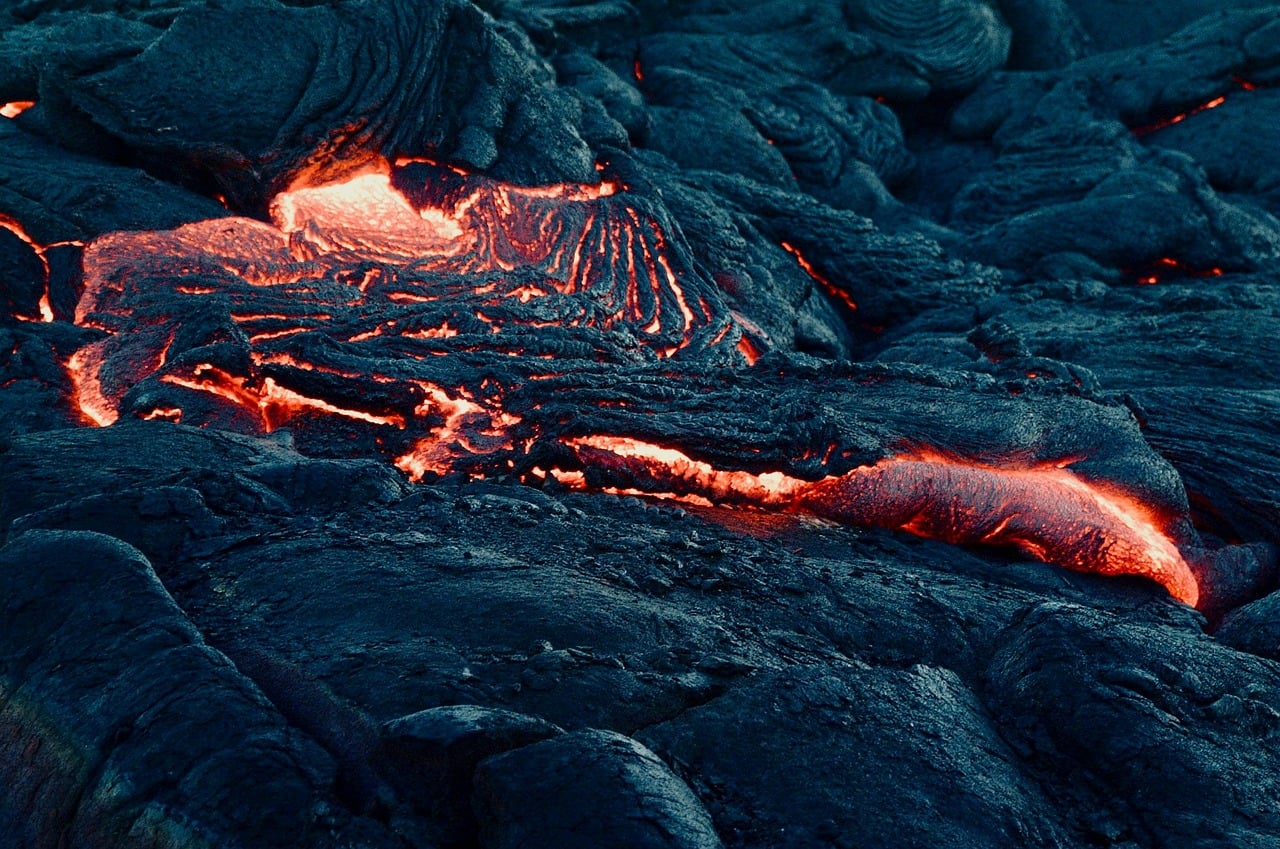
A volcano is a vent in Earth's crust through which magma, ash, and gases escape. Magma originates deep inside the planet, where heat and pressure melt rock. When the pressure builds enough, it forces its way upward, creating a cone or fissure that can erupt onto the surface.
Types of Volcanic Eruptions
Volcanic eruptions vary widely. Below are the most common types, each with distinct characteristics and hazards.
- Effusive eruptions - Lava flows steadily, forming gentle, wide rivers of molten rock. These are usually less explosive but can still destroy infrastructure.
- Explosive eruptions - Rapid gas release propels ash and pyroclastic material high into the atmosphere. These blasts can create ashfall, pyroclastic flows, and lahars.
- Phreatic or phreatomagmatic eruptions - Water and magma interact, producing steam - driven explosions that can be sudden and violent.
- Submarine eruptions - Occur underwater, often producing volcanic islands or causing tsunamis.
How Do Volcanic Eruptions Happen?
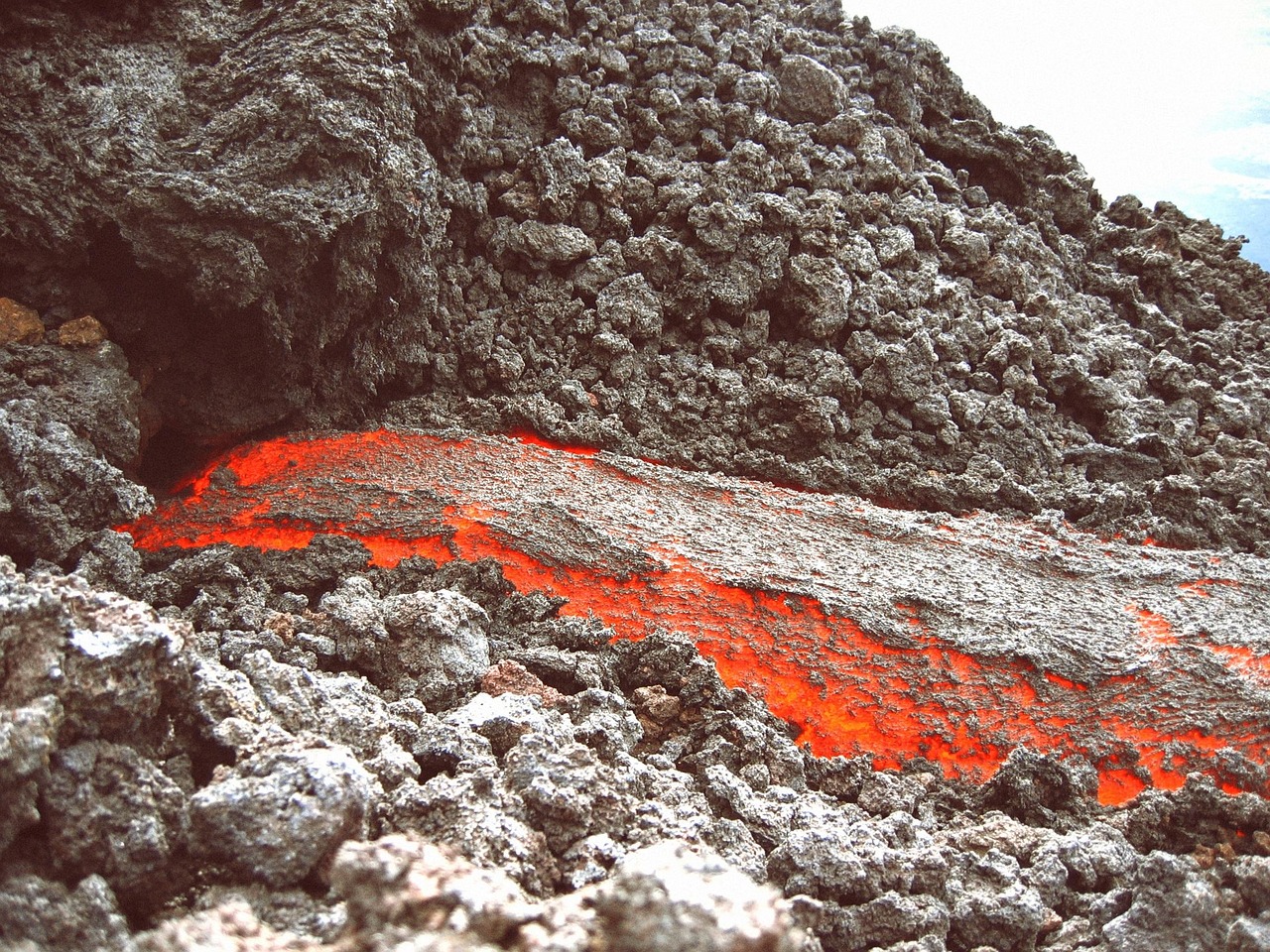
The process starts with magma rising through the crust. Key factors that trigger an eruption include:
- Pressure buildup - Gas bubbles trapped in magma increase pressure.
- Structural weaknesses - Faults or fractures in the crust provide pathways.
- External forces - Tectonic plate movements can shift magma chambers.
When the pressure exceeds the strength of the surrounding rock, magma forces its way to the surface. The speed and style of the eruption depend on magma viscosity, gas content, and the volcano's shape.
Signs & Warnings to Watch For
Monitoring agencies track a range of indicators that can signal an impending eruption. Knowing these signs helps you stay ahead of danger.
- Seismic activity - Small earthquakes or tremors often precede eruptions.
- Ground deformation - Uplift or subsidence indicates magma movement.
- Gas emissions - Rising levels of sulfur dioxide or carbon dioxide are red flags.
- Temperature changes - Surface heat anomalies can point to magma nearing the surface.
- Hydrothermal changes - Springs, geysers, and hot springs may become more active or change color.
- Visual cues - New fumaroles, ash plumes, or lava domes forming can signal escalation.
What to Do When a Volcano Erupts
Preparation is key. Here's a step - by - step guide to keep you and your family safe:
- Stay informed - Listen to local authorities and follow official alerts.
- Have an evacuation plan - Know your nearest exit routes and safe zones.
- Prepare an emergency kit - Include water, non - perishable food, masks, goggles, and a first‑aid kit.
- Protect your home - Seal windows and doors with plastic sheets to keep ash out.
- Ventilate carefully - Avoid using heating or cooking appliances that could release trapped gases.
- Stay indoors during ashfall - Keep windows closed and use air purifiers if possible.
- Watch for secondary hazards - Lahar flows, landslides, and pyroclastic surges can follow the main eruption.
Common Myths About Volcanoes
Even with modern science, myths persist. Let's debunk a few:
- Myth: All volcanoes erupt the same way.Fact: Each volcano has a unique eruption style based on magma composition and structure.
- Myth: Ashfall is harmless.Fact: Ash can damage engines, corrode electronics, and cause respiratory problems.
- Myth: You can see an eruption coming from far away.Fact: Most eruptions begin with subtle signs that require monitoring equipment to detect.
Frequently Asked Questions
Q: Can I see a volcanic eruption from a safe distance?
A: Yes, if you keep a safe distance - typically several kilometers from the vent - and use protective gear. Avoid standing under ash clouds.
Q: How long does an eruption last?
A: It varies widely. Some erupt for days, others for years. Monitoring reports provide the most accurate timelines.
Q: Is it safe to travel near an active volcano?
A: Not until authorities declare it safe. Even then, always stay on designated routes and heed local advisories.