
What Is Holi?
Holi, often called the Festival of Colors, is a joyous Hindu celebration that marks the arrival of spring, the triumph of good over evil, and the power of love and unity. Every year, people across India and beyond throw handfuls of bright powders, splash colored water, and dance to drums, turning streets into a living canvas of color.
Origins & Legends
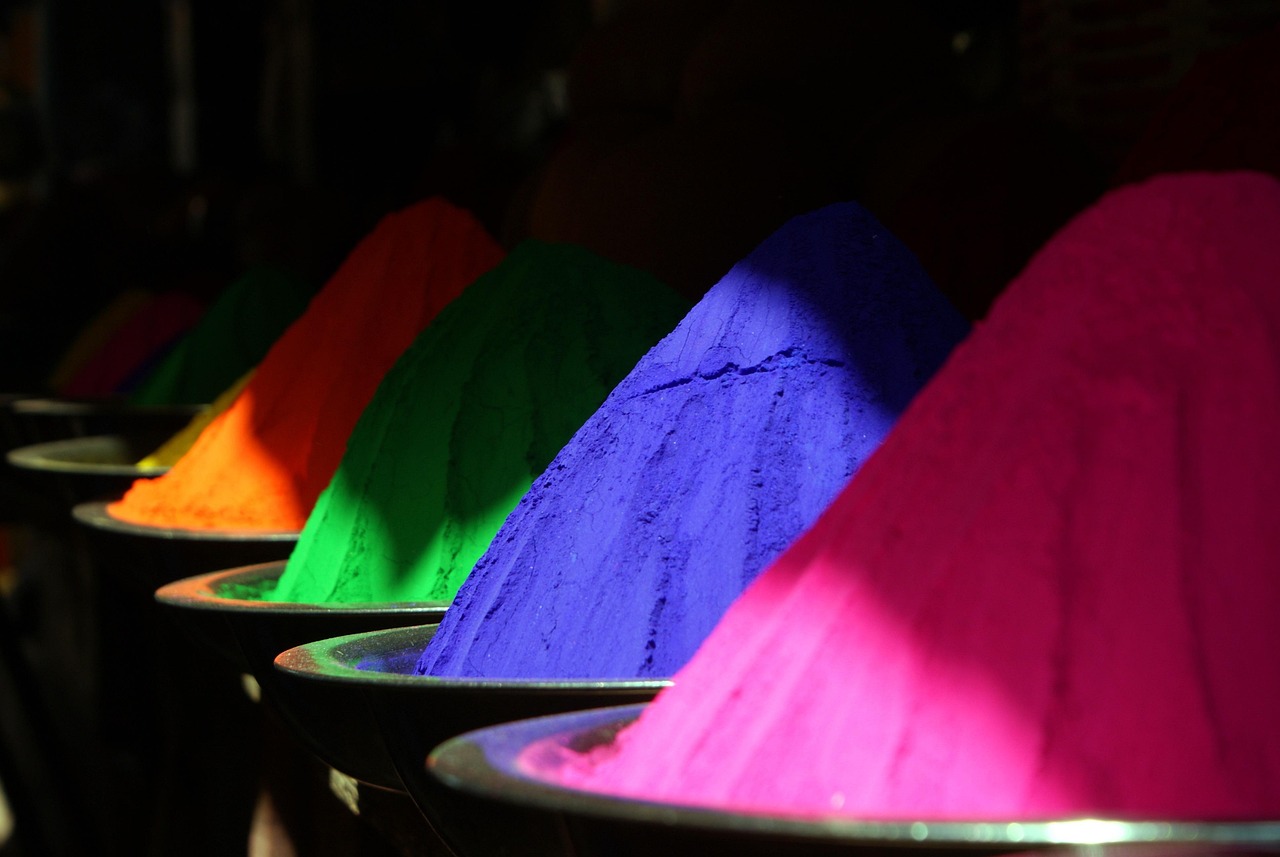
The roots of Holi stretch back over 5,000 years, entwining mythology, astronomy, and agricultural cycles. Two stories are most widely shared:
- Rama's Love & the Burning of Lanka: In the epic Ramayana, the demon king Ravana's arrogance led to the destruction of his kingdom, symbolized by a grand bonfire on the last night of Holi. The festival commemorates the warmth of Rama's love for Sita and the eventual triumph of righteousness.
- Krishna's Mischief: The most colorful tale involves the mischievous Lord Krishna, who, as a child, delighted in sprinkling bright powders on his friends and village girls. His playful act eventually became a symbol of love, friendship, and the joyful breaking of social boundaries.
Historical Timeline
Holi's evolution mirrors India's cultural tapestry:
- Ancient Vedic period (c. 1500 - 500 BCE): References to a spring festival called Homa and Holi appear in Vedic hymns, celebrating the renewal of nature.
- Gupta Empire (c. 320 - 550 CE): The festival's rituals become more standardized, with the first recorded mention of color powders in literature.
- Modern era: From village squares to global cities, Holi has become a multicultural celebration embraced by people of all faiths.
Key Traditions & How to Celebrate
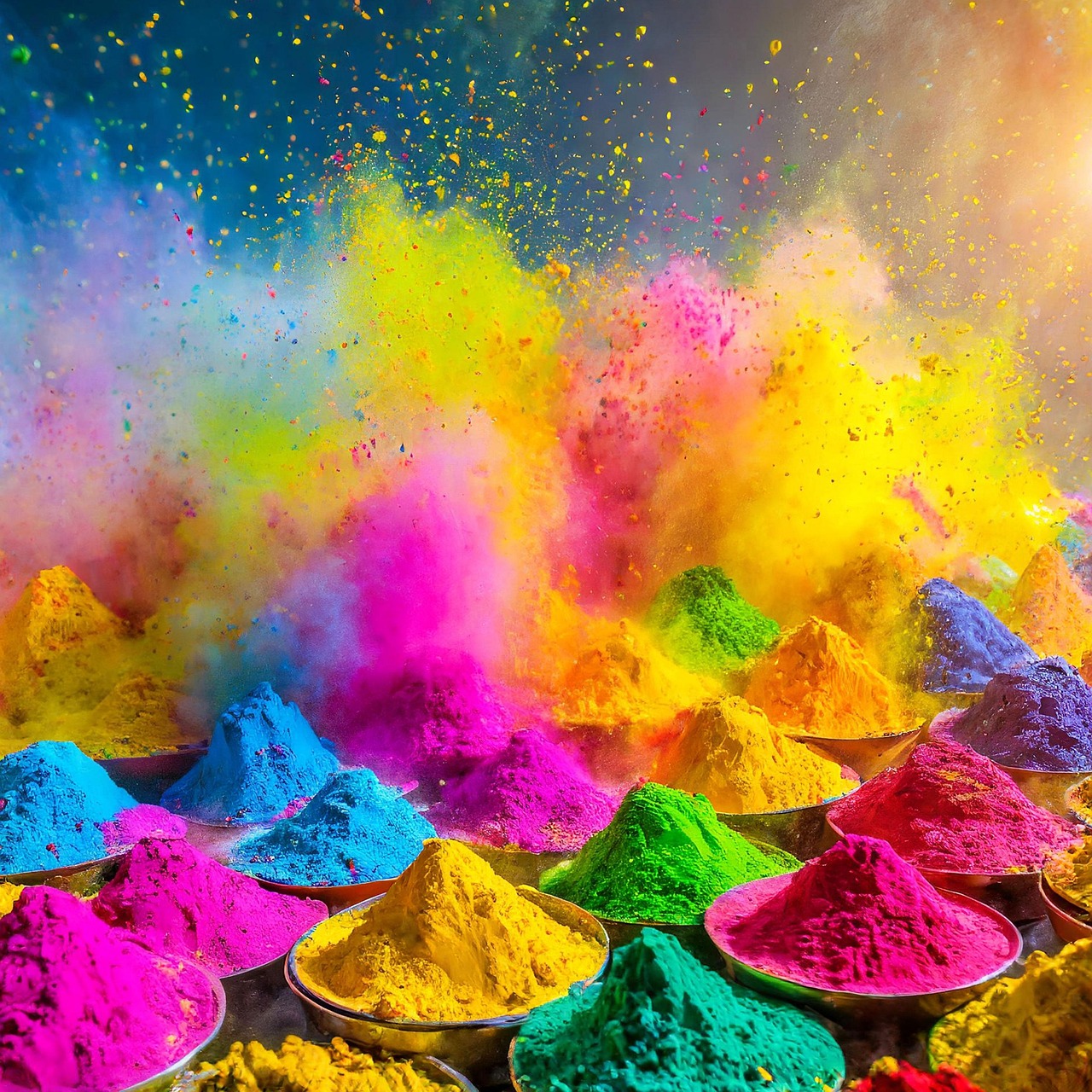
Whether you're a seasoned Holi participant or a first - timer, these essential practices will help you enjoy the festival responsibly.
- Color Preparation: Natural colors made from flowers, herbs, and spices are gentler on skin and the environment. If you're buying ready - made powders, choose certified organic brands.
- Water and Play: Bring a hose or water guns for a splash of color. Remember to respect water sources and avoid excessive waste.
- Music & Dance: Traditional drums, dhol, and modern pop tunes create a festive atmosphere. Join local groups or host a small gathering at home.
- Food & Hospitality: Sweet treats like gujiya and spicy snacks are staples. Offer shared plates to friends and neighbors, reinforcing community bonds.
- Respect & Consent: While the festival encourages playful interaction, always ask for permission before applying color, especially on strangers or those with allergies.
Practical Tips for a Safe Holi Experience
Colorful fun is best when it's safe. Keep these pointers in mind:
- Eye Protection: Wear sunglasses or goggles to shield your eyes from powder and water.
- Skin Care: Apply a light moisturizer before the event; afterward, wash with mild soap and lukewarm water.
- Avoid Contact Lenses: If you wear contacts, consider removing them before playing.
- Protect Clothing: Wear old clothes or a waterproof jacket; a single splash can ruin a favorite shirt.
- Pet Safety: Keep pets indoors or in a well - ventilated space to avoid accidental color ingestion.
FAQs About Holi
- When is Holi celebrated? Holi falls on the full moon day (Purnima) of the Hindu month of Phalguna, usually in late February or early March.
- Can anyone join? Yes! Holi is a universal celebration of joy. People of all ages, religions, and backgrounds are welcome.
- What is the significance of the bonfire? The fire, known as Holika Dahan, symbolizes the burning of evil and the purification of the soul.
- Is it okay to use synthetic colors? Synthetic dyes can harm skin and the environment. Opt for natural, biodegradable options whenever possible.
- How do I choose the right colors? Traditional colors - red, yellow, green, blue, and orange - are derived from natural pigments. For a vibrant mix, combine them with a small amount of baking soda to make a paste.
Why Holi Matters in Today's World
Beyond its festive allure, Holi offers valuable lessons:
- Unity in Diversity: People from varied backgrounds come together, breaking social and cultural barriers.
- Environmental Awareness: Modern Holi encourages eco - friendly practices, from biodegradable colors to water conservation.
- Positive Energy: The shared laughter, music, and color help reduce stress and promote mental well‑being.