
1. The Daily Rhythm of Ramadan
Ramadan isn't just a month of abstaining from food and drink; it's a holistic spiritual reset. Each day follows a predictable pattern that blends worship, reflection, and community. Understanding this rhythm helps both observers and onlookers appreciate the depth of the experience.
2. The Five Pillars in Ramadan
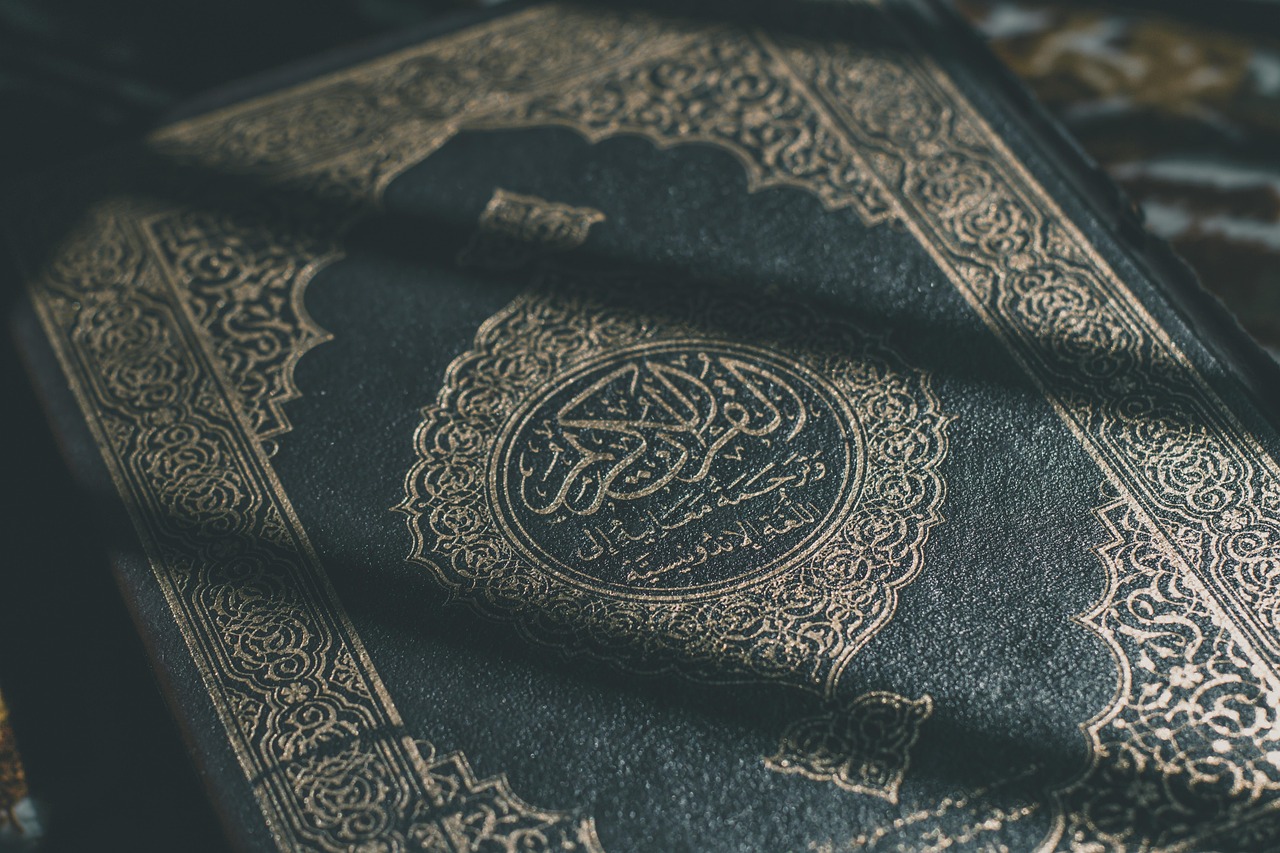
While the Five Pillars of Islam are always in effect, Ramadan intensifies them:
- Shahada (Faith) - Reminding believers of the central creed.
- Salah (Prayer) - Five daily prayers, with the extra Tarawih at night.
- Zakat (Charity) - Giving a portion of wealth, often increased during Ramadan.
- Sawm (Fasting) - Abstaining from food, drink, and other worldly pleasures from dawn to sunset.
- Hajj (Pilgrimage) - For those who can, the pilgrimage's rites are mirrored in the month's spiritual journey.
3. Pre‑Dawn Meal: Suhoor
Suhoor is the first meal of the day, eaten before the Fajr prayer. It's a strategic feast that fuels the body for 15 - 17 hours of fasting. A balanced suhoor typically includes complex carbs, protein, and plenty of fluids. Muslims often start the day with a quiet reflection, setting intentions for the day ahead.
4. Breaking the Fast: Iftar
The end of the fast is a communal highlight. Traditionally, a date and water break the fast, following the Prophet Muhammad's example. After the Maghrib prayer, families gather for a larger meal - often featuring soups, salads, and hearty dishes that vary by culture.
5. Spiritual Practices That Shape Ramadan
- Tarawih Prayers - Nightly congregational prayers performed in mosque or home, lasting 20 - 30 units of recitation.
- Qur'an Recitation - Many aim to complete the entire Qur'an during the month.
- Dhikr (Remembrance) - Repeating phrases of praise and gratitude throughout the day.
- Introspection - Journaling thoughts, sins, and personal growth goals.
6. Community & Charity
Ramadan amplifies social bonds. Mosques host open iftar gatherings, and families invite neighbors. Charity is not just a duty but a communal celebration. Common forms include:
- Zakat al‑Fitr - A small monetary donation given before Eid to feed the hungry.
- Community Meals - "Iftar tents" serve thousands in urban centers.
- Local food drives and volunteer programs.
7. Practical Tips for Non‑Muslims to Respect Observance
- Ask before scheduling late‑night or early‑morning events.
- Offer to help with grocery runs or meal prep.
- Respect mosque curfews and prayer times.
- Use a respectful tone when asking about fasting or prayer schedules.
8. Common Questions & Answers
- Can Muslims eat or drink during Ramadan? No, from sunrise to sunset.
- What if I'm ill? Fasting can be postponed; consult a trusted imam.
- How does Ramadan affect work schedules? Many employers adjust hours or allow flexible breaks.
- What is the significance of the Eid al‑Fitr celebration? It marks the end of fasting and a day of communal gratitude.
9. Tips for Observers to Make the Most of Ramadan
- Plan meals: prep suhoor and iftar foods in advance to avoid last‑minute rush.
- Stay hydrated: sip water and avoid caffeine during non‑fasting hours.
- Set a realistic Qur'an recitation goal; consistency beats volume.
- Prioritize sleep: aim for 6 - 7 hours between suhoor and iftar.
- Schedule extra prayer time for Tarawih, especially in the first week.
10. Conclusion
Ramadan is a beautifully structured blend of devotion, discipline, and community. Whether you're a practicing Muslim or simply curious, understanding its daily rhythms and shared values can deepen respect and appreciation for this sacred month. Embrace the spirit of giving, reflection, and togetherness, and you'll find that Ramadan offers a universal lesson in patience, gratitude, and human connection.