
1. Rio de Janeiro's Carnival - Brazil's Living Parade
Imagine samba drums, feathered costumes, and a street that turns into a living, breathing music video. That's Carnival in Rio, the world's biggest party. It usually runs in February or March, right before Lent.
- When to go: Mid‑February is peak, but if you're a budget traveler, aim for the first week of February to catch the early celebrations.
- What to wear: Light, breathable fabrics; a splash of color works wonders.
- Pro tip: Book a street - side seat with a local guide to avoid the tourist crowds and get the best views of the samba schools.
- Must‑see: The "Sambadrome" parade, where samba schools compete for the title of champion.
2. Diwali - The Festival of Lights in India
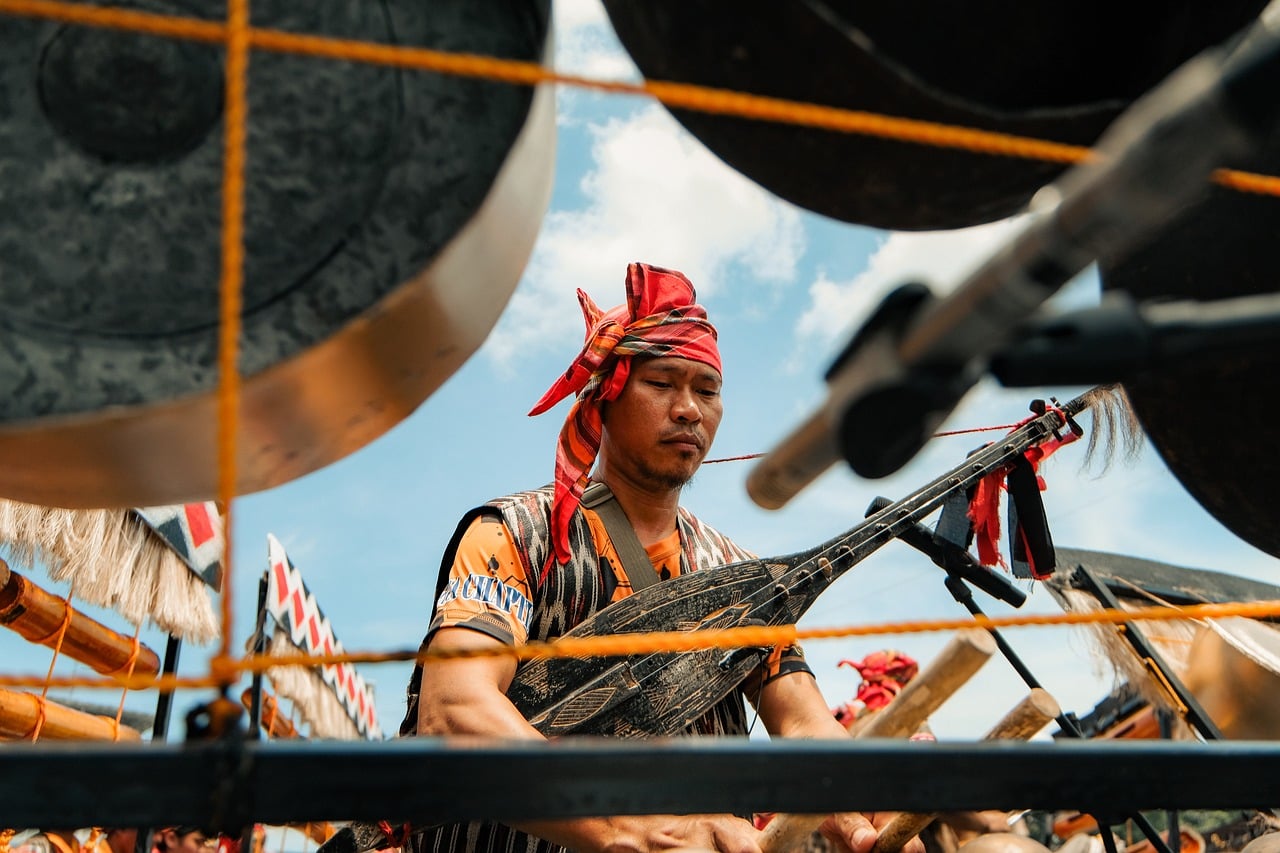
Diwali, the Hindu festival of lights, is a dazzling display of fireworks, rangoli art, and sweet treats. It's celebrated across India and in Indian communities worldwide.
- When to go: Usually falls between October and November; the exact date shifts with the lunar calendar.
- What to bring: Traditional sweets like ladoo or jalebi if you're a foodie, and a small lot of cash for temple donations.
- Pro tip: Visit a local temple or community center to see the rituals firsthand; they're more welcoming than the tourist‑focussed sites.
- Do not: Light fireworks near crowded areas - many cities have strict safety rules.
3. Oktoberfest - Bavaria's Beer‑Buddies Bash
Germany's Oktoberfest is less about Oktober and more about a lifelong tradition of beer, bratwurst, and Bavarian folk music. It runs from late September to the first weekend in October in Munich.
- When to go: The first week of October is best if you want to avoid the late‑night crowds.
- What to bring: A sturdy pair of shoes for the cobblestone beer tents.
- Pro tip: Book a reservation in a smaller tent rather than the large, touristy ones - cheaper and more authentic.
- Must‑try: The classic Weißwurst with a side of sweet mustard.
4. Holi - India's Colorful Explosion of Joy
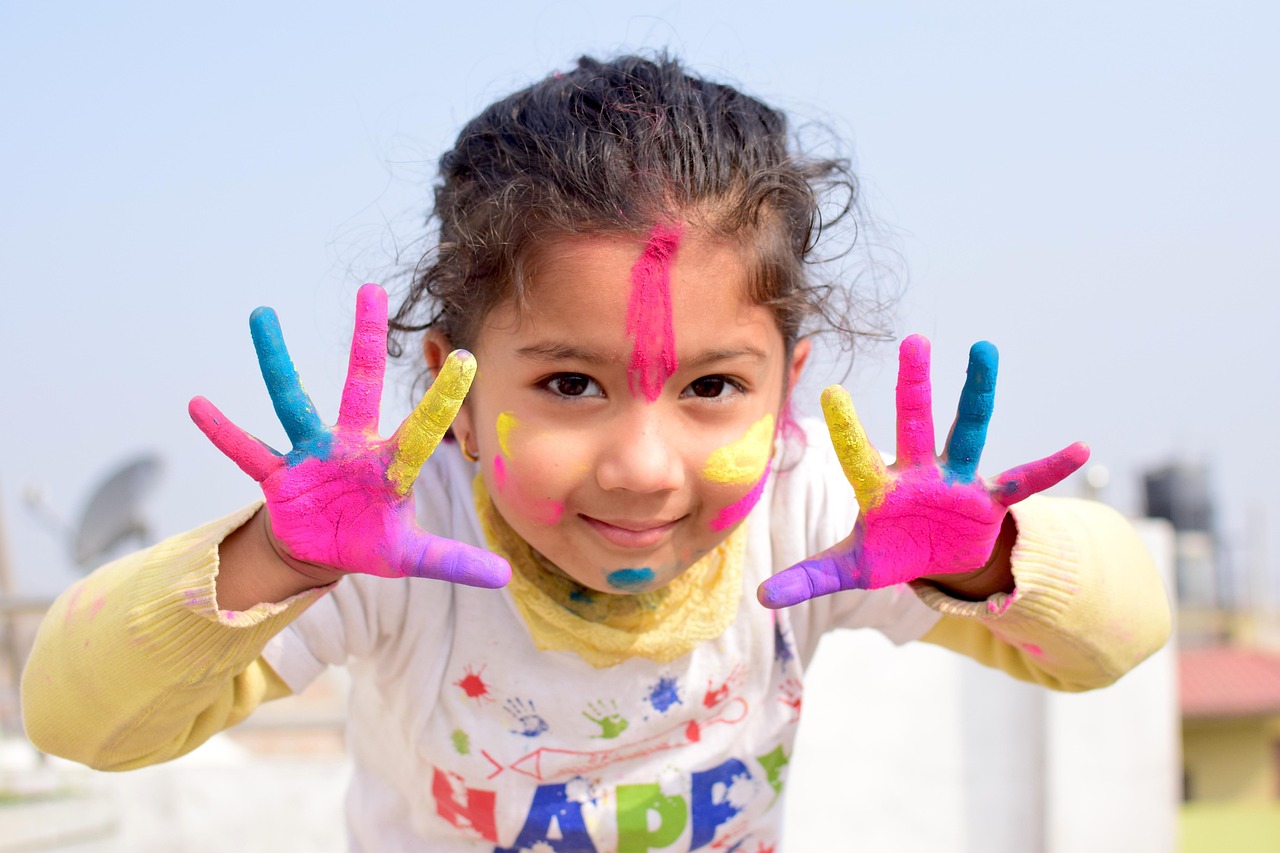
Holi is a riot of color, music, and communal dancing. It marks the arrival of spring and is celebrated by people of all ages across India.
- When to go: Usually in March, aligning with the Hindu calendar's "Holi" day.
- What to wear: Old clothes you don't mind staining - yes, the whole world will get a little rainbow on them.
- Pro tip: Pack a waterproof bag for your electronics; you'll be in a sea of powder.
- Safety note: Avoid the "green" powder if you have a respiratory condition.
5. Harbin Ice & Snow Festival - China's Frozen Wonderland
Harbin's Ice & Snow Festival transforms the city into a crystal palace. Giant sculptures carved from ice and snow light up the winter night.
- When to go: The festival runs from early January to mid - February.
- What to wear: Thermal layers and a good pair of gloves - temperatures can drop below - 20°C.
- Pro tip: Stay in a hotel close to the "Ice Lantern" area to catch the light show at dusk.
- Do not: Walk in the snow without proper footwear - ice can be treacherous.
6. Day of the Dead (Dia de los Muertos) - Mexico's Celebration of Life
Dia de los Muertos is a vibrant Mexican holiday that honors deceased loved ones with altars, marigold flowers, and colorful sugar skulls.
- When to go: Celebrated on November 1st and 2nd.
- What to bring: A small offering of flowers or food for the altar if you visit a local home.
- Pro tip: Join a local "ofrenda" tour to learn about the cultural significance of each element.
- Must‑see: The bustling streets of Oaxaca and the "calacas" (skulls) parades in Mexico City.
Practical Tips for Experiencing Cultural Festivals Respectfully
- Research local customs: A quick Google search or a call to the tourist office can save you from embarrassing faux pas.
- Book early: Festivals attract crowds; early reservations for accommodation and transportation can mean the difference between a smooth trip and a logistical nightmare.
- Stay flexible: Weather, local holidays, or sudden schedule changes can shift festival dates. Have a backup plan.
- Engage with locals: Ask questions, learn a few words in the local language, and show genuine interest - people love sharing their traditions.
- Respect boundaries: Some festivals have sacred areas; keep your camera at a respectful distance and follow any posted rules.
Why These Festivals Are Must‑See Events
Each festival offers a unique lens into the culture that birthed it. Whether it's the rhythmic pulse of samba, the fragrant incense of Diwali, or the glittering ice sculptures of Harbin, you'll leave with memories that last longer than the souvenir trinkets.
So, pack your bags, set your calendar, and prepare to be part of something bigger than yourself. After all, the best travel stories are born on the streets of a festival, not in the comfort of your hotel room.