
What Is a Lion Pride?
A lion pride is a family unit that typically consists of related females (lionesses), their offspring, and a coalition of one or more adult males. Unlike most solitary predators, lions live in groups that allow them to hunt large prey, protect cubs, and defend territory. The pride's size can vary from 3 to 20 members, depending on food availability and environmental pressures.
Key Roles Within the Pride
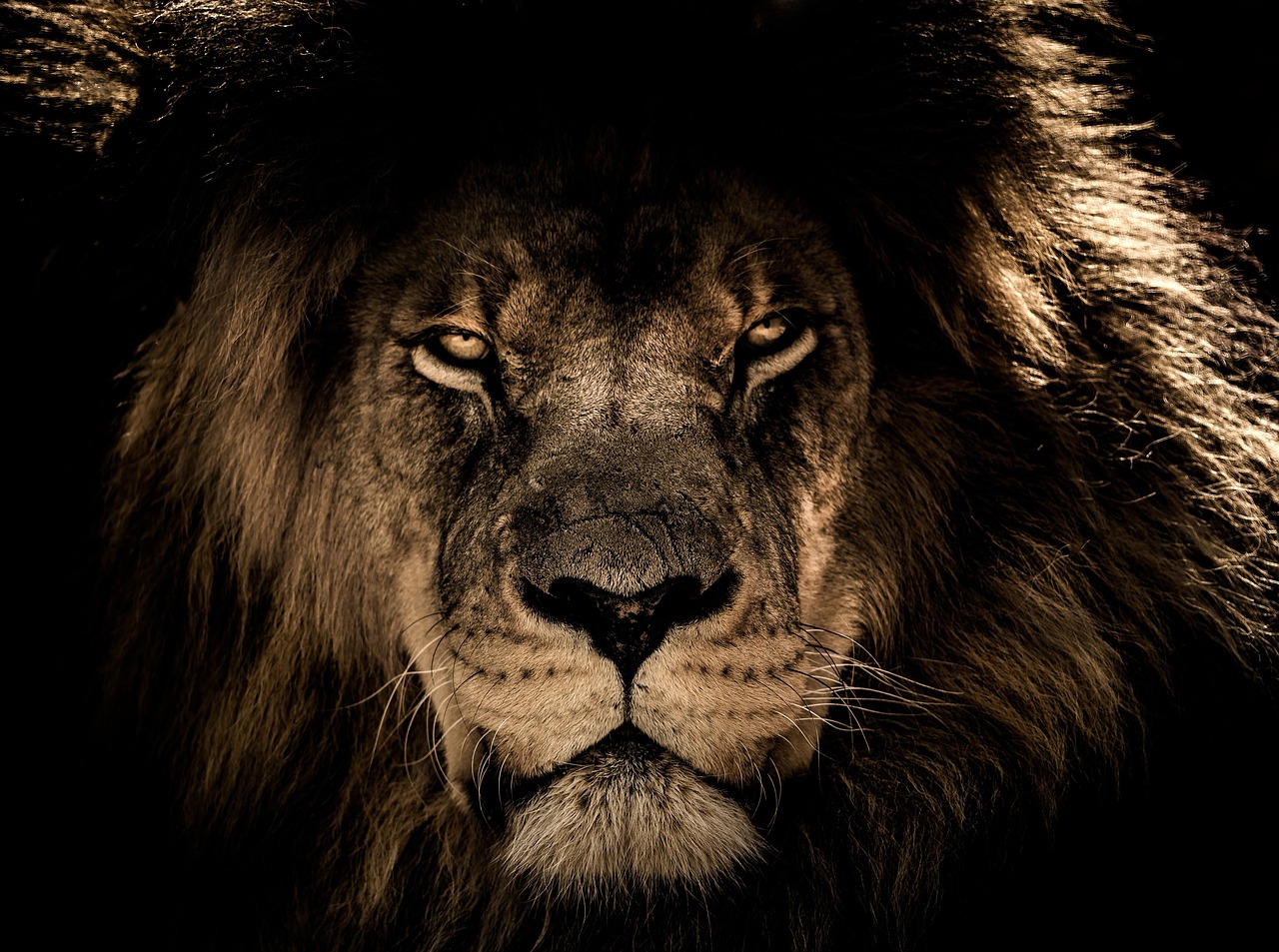
Each lion in a pride has a specific function that contributes to the group's overall survival. Understanding these roles helps explain how lions maintain social cohesion and efficiency.
- Female Lionesses - The backbone of the pride. They are the primary hunters, caregivers, and decision‑makers during feeding and cub rearing.
- Cub Cohort - Cubs are raised collectively. The pride's females protect and teach them, while the males provide protection against rival males.
- Male Coalition - Usually a group of related or unrelated males that defend the pride's territory and mate with the females. Their cooperation limits conflicts and increases reproductive success.
Male Leadership and Territory
Male lions are the pride's territorial guardians. They patrol boundaries, mark the area with scent, and use roaring as a warning signal. Their leadership is important for:
- Defending resources - By deterring intruders and rival coalitions.
- Ensuring genetic diversity - Males mate with all females in the pride, preventing inbreeding.
- Coordinating hunts - While lionesses do most of the hunting, males may join large‑scale hunts for bigger prey.
Female Roles and Cooperative Hunting
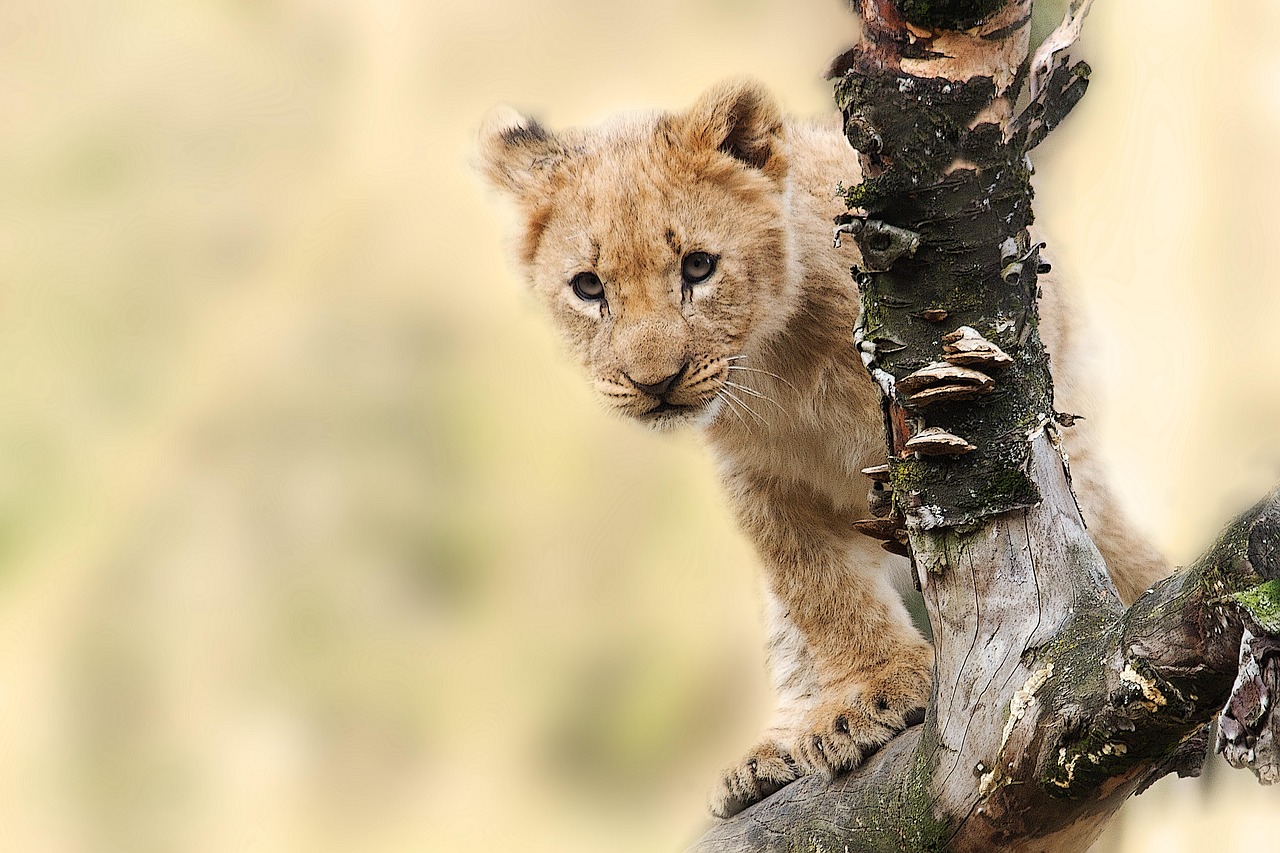
Female lions exhibit remarkable teamwork. They coordinate stalking, flank, and ambush tactics that increase hunting success. Some common strategies include:
- Stalk and Surprise - Lionesses use the terrain to approach prey unseen, then quickly surround it.
- Divide and Conquer - One or two lionesses may drive prey towards others who are positioned strategically.
- Shared Feeding - After a successful kill, the pride eats in order of hierarchy, with males feeding first followed by females and then cubs.
Communication and Hierarchy
Lions rely on a sophisticated system of vocalizations, body language, and scent marking to maintain order. Common signals include:
- Roar - Announces presence, asserts dominance, and warns rivals.
- Growl & Snarl - Indicates aggression or territorial disputes.
- Facial Expressions - Subtle ear positions and whisker movements convey intent.
- Marking - Urine and feces leave scent trails that inform others of territory boundaries.
Hierarchy is fluid. Dominant males may be challenged by younger males, while lionesses maintain a stable order based on age and experience. This dynamic ensures that the pride remains resilient.
Common Questions About Lion Social Structure
- How many lions are in a pride? - Typically 3 - 20 members, but can be smaller in resource‑scarce areas.
- Do lions have a strict hierarchy? - Yes, but it is based on both sex and age. Males hold top dominance, followed by senior females.
- Can a lion change pride? - Males may leave to form new coalitions, while females rarely switch prides.
- What happens when a male dies? - The pride's territory may be invaded by rival males, leading to a reorganization of leadership.
Challenges and Conservation Implications
Human activities, such as habitat fragmentation and prey depletion, threaten the delicate balance of lion social structure. Conservation efforts focus on:
- Protecting large habitats - Ensures enough prey and space for prides to thrive.
- Reducing human‑lion conflict - Minimizes retaliatory killings and promotes coexistence.
- Genetic monitoring - Helps maintain healthy diversity within populations.
By understanding the social dynamics of lions, we can better tailor conservation strategies that preserve these magnificent predators and the ecosystems they support.