
The Pack: Social Structure of Wolves
Wolves aren't just solitary hunters; they're complex social animals that thrive in tightly knit packs. A pack typically consists of a breeding pair - known as the alpha pair - along with their offspring and occasionally a few unrelated adults who bring extra strength to the group. This structure creates a stable environment where each member knows its role, from parenting to defending the territory.
Roles Within the Pack: Alpha, Beta, and Others
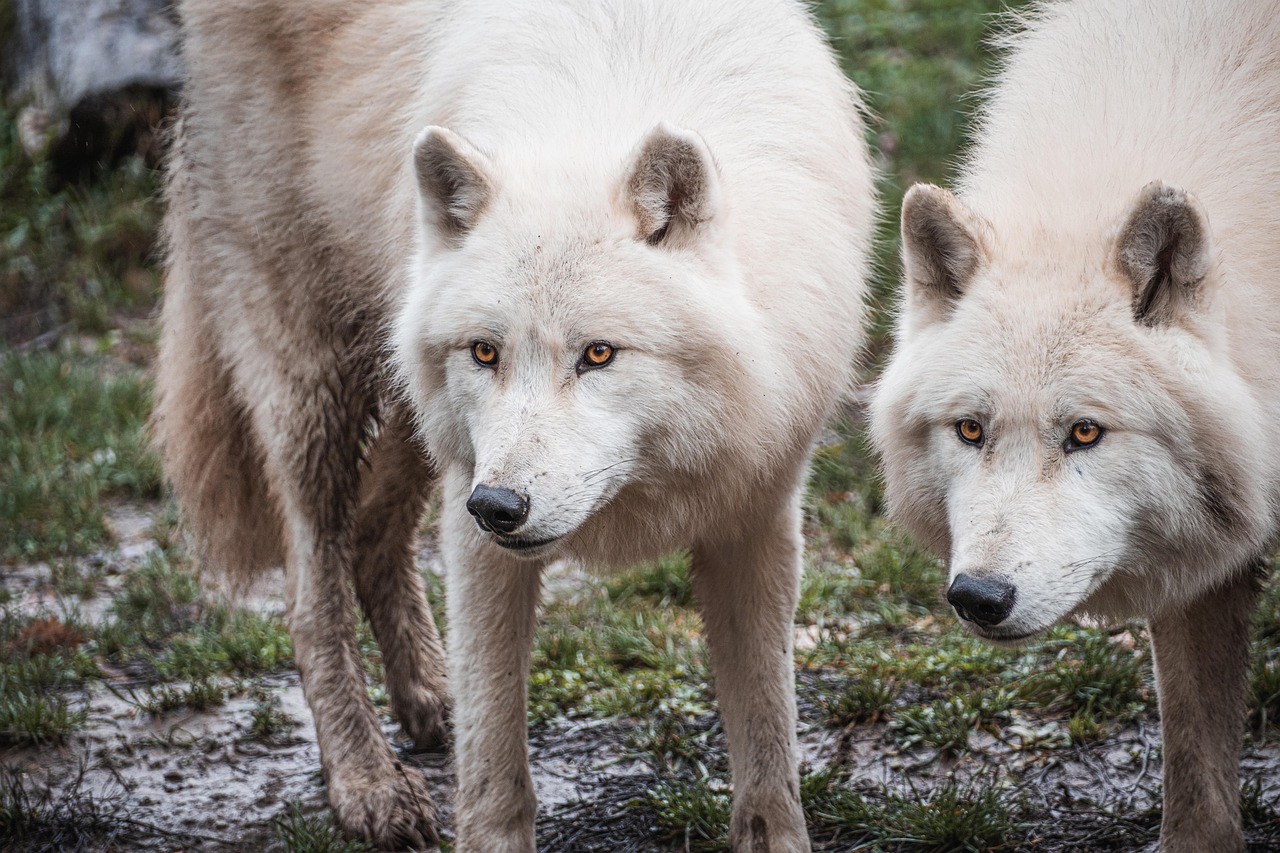
The alpha wolves lead the pack, making critical decisions about when to hunt, where to travel, and how to respond to threats. Below them, the beta wolves act as the pack's enforcers, ensuring that the pack's rules are followed and stepping in when the alpha is absent. The rest of the pack, often referred to as the "followers," focus on supporting the hunt, protecting the pups, and maintaining the pack's social harmony.
Hunting Strategies: From Ambush to Teamwork
Wolves are masters of coordinated hunting. They use a combination of stealth, endurance, and teamwork to bring down prey that can be up to ten times their own weight. A typical hunt involves several stages:
- Stalking: Wolves use scent trails and subtle movements to get close to their target.
- Positioning: One or two wolves may flank the prey while others stay back to cut off escape routes.
- Ambush: When the prey is within range, the pack converges, using speed and sheer numbers to overwhelm.
- Feeding: The wolves share the kill, with the alpha and its mate often taking the largest pieces first, ensuring the pack's survival.
Communication: How Wolves Coordinate

Effective communication is the backbone of pack hunting. Wolves use a rich repertoire of vocalizations - howls, barks, growls - and body language to signal intent. A howl can serve as a rally call, a warning, or a way to maintain pack cohesion over long distances. Body postures, ear positions, and tail movements help convey subtle cues during the hunt, allowing each wolf to adjust its role in real time.
Adapting to the Environment
Wolves are highly adaptable. In colder climates, they hunt large ungulates like moose or caribou, using the pack's strength to take down massive prey. In forested regions, they target deer or elk, employing stealth and teamwork to navigate dense vegetation. In arid landscapes, wolves shift to smaller prey such as rodents or even birds, showcasing their versatility.
Common Misconceptions About Wolf Packs
Many people think wolves are feral or aggressive. In reality, wolves are cautious, often avoiding humans. They are also not "pack hunters" in the sense that every member hunts simultaneously; rather, they rely on a coordinated effort where each wolf has a specific task. Understanding these nuances helps dispel myths and encourages respectful coexistence.
How to Observe Wolf Packs Safely
For nature lovers and photographers, witnessing wolves in their natural habitat can be unforgettable. Here are a few tips:
- Respect Distance: Keep a safe distance - ideally 500 meters or more - to avoid disturbing the wolves.
- Use Binoculars: A good pair of binoculars lets you observe without intruding.
- Stay Quiet: Sudden noises can startle wolves, potentially disrupting a hunt.
- Check Local Regulations: Some areas have protected wolf territories; always follow local guidelines.