
1. The Pride: Nature's Social Unit
Lions live in one of the few social structures seen in big cats: the pride. A pride is a tight - knit family group usually composed of related females, their offspring, and a coalition of males that may or may not be related. This arrangement gives lions a blend of cooperative hunting, shared protection, and a built‑in system for passing down knowledge.
2. Pride Composition - Numbers That Make Sense
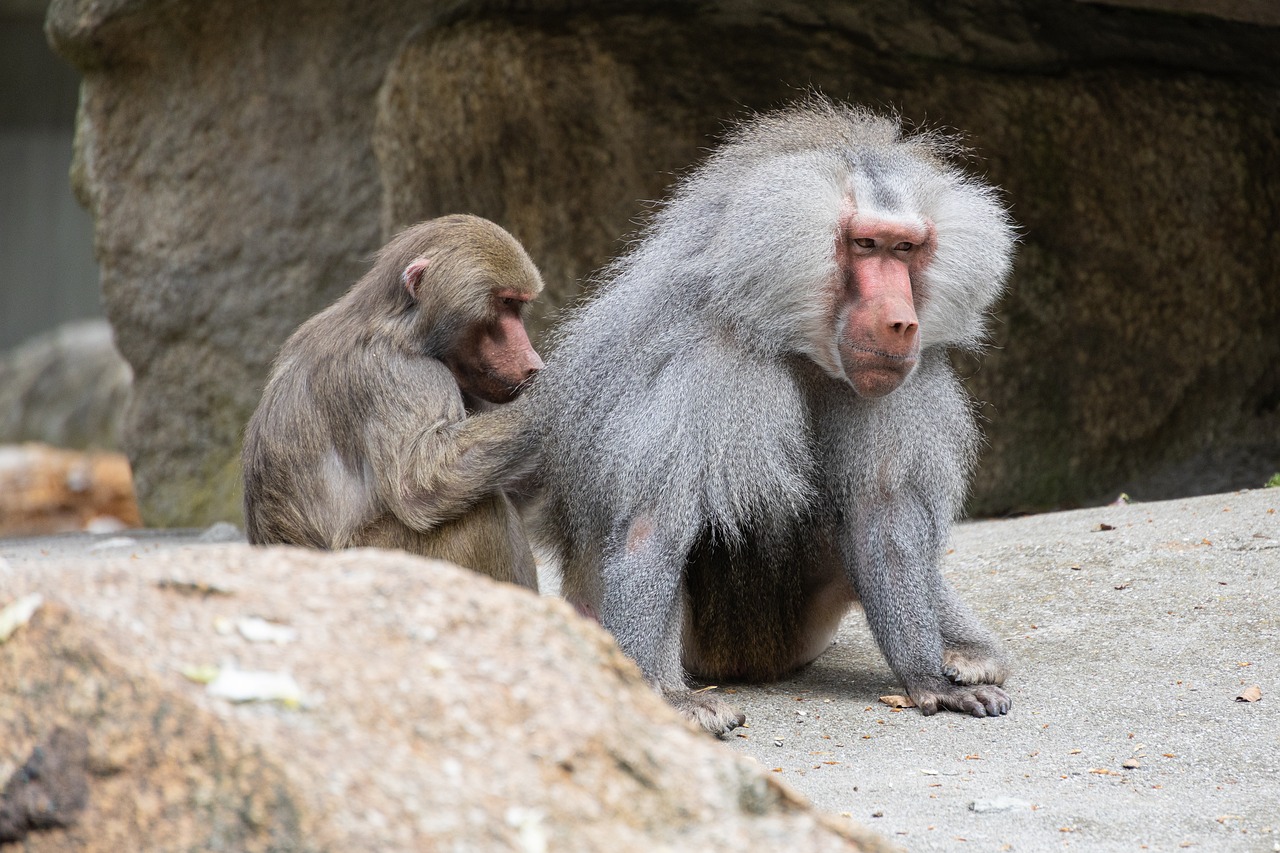
- Females and Cubs: Typically 6 - 8 females plus their young. Female lions are the backbone of the pride, handling most of the hunting and rearing duties.
- Males: Usually 1 - 3 males form a coalition. These coalitions can be brothers, cousins, or unrelated allies who share the responsibility of guarding the pride.
- Age Dynamics: Cubs stay with their mother until 2 - 3 years, after which they either stay, leave to form new prides, or join a male coalition.
3. The Role of Male Lions
Male lions are the protectors, but their job isn't just brute strength. They:
- Territorial Patrol: Walk the borders of the pride's range, marking territory with scent and vocal displays.
- Defense: Guard against rival males and predators like hyenas.
- Reproductive Leadership: Mate with the pride's females, ensuring genetic diversity.
4. Female Lions - The Workhorses
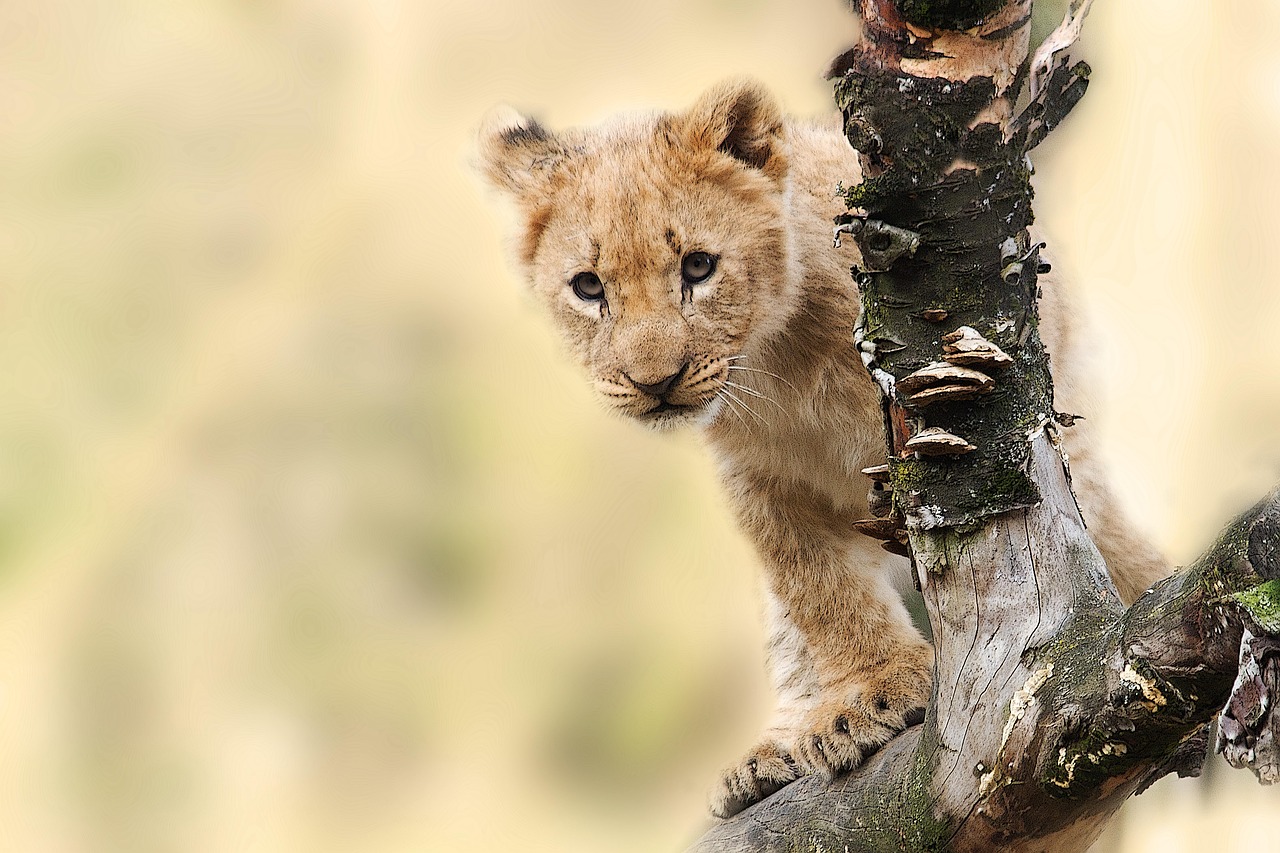
Unlike their male counterparts, females handle the bulk of day‑to‑day survival tasks:
- Hunting: Work in coordinated packs to bring down large prey.
- Raising Cubs: Share in feeding, grooming, and protecting the young.
- Territory Maintenance: Mark and defend the pride's home range.
5. Cubs - The Future of the Pride
From birth to adolescence, cubs learn essential skills:
- Social Learning: Observe hunting techniques and social cues from older members.
- Physical Development: Grow into strong, agile hunters.
- Choosing Allies: Decide whether to stay, leave, or join a coalition.
6. Territory - The Pride's Playground
Lions defend expansive ranges that can cover hundreds of square kilometers. They use:
- Scent Marking: Urine and feces left along trails signal ownership.
- Roaring: A deep, resonant call that can travel up to 5 km, warning intruders.
- Physical Patrols: Males walk the perimeter, checking for rival scent marks.
7. Communication - Beyond the Roar
While the roar is iconic, lions use a full vocal repertoire:
- Purring and Growling: Soft sounds during bonding or warning signals.
- Moaning: Communicates excitement or distress.
- Body Language: Ear position, tail posture, and eye contact convey intentions.
8. Social Hierarchy and Conflict Management
Lions navigate hierarchy through:
- Coalition Bonding: Male coalitions often form via kinship; they share responsibilities and divide prey.
- Dominance Displays: Posture, vocalization, and sometimes sparring determine rank.
- Peaceful Replacements: New males typically replace old ones by force, but this process is rarely violent due to social cues.
9. Conservation Implications - Why Structure Matters
Understanding pride dynamics helps conservationists:
- Habitat Management: Protecting large contiguous areas keeps prides stable.
- Genetic Diversity: Maintaining male coalitions prevents inbreeding.
- Human‑Wildlife Conflict: Knowledge of territorial ranges reduces crop raiding and human casualties.
10. Practical Tips for Observers and Safari Enthusiasts
- Respect the Rhythm: Lions are most active during dawn and dusk; plan your visit accordingly.
- Keep Distance: Use binoculars or a telephoto lens; do not approach the pride.
- Observe Quietly: Avoid sudden movements that can startle or disrupt social interactions.
- Learn the Calls: Familiarize yourself with roar patterns to identify individual lions.
- Support Ethical Tourism: Choose operators that follow wildlife‑friendly guidelines.
11. FAQs About Lion Social Structure
- Q: Do male lions stay in a pride forever? A: No, male coalitions are temporary; they often leave after a few years to establish new prides.
- Q: Why are females more numerous? A: Female lions form the core of the pride because they provide stability in hunting and rearing.
- Q: Can lions live alone? A: While rare, solitary lions exist but face higher risks of injury and starvation.
- Q: How do lions protect cubs? A: Cubs are guarded by all pride members, especially females, who defend them from predators.