
Why Bees Matter
Bees are the unsung architects of biodiversity. With their buzzing wings, they carry pollen across landscapes, ensuring the survival of countless plants, foods, and ecosystems. The secret lives of bees reveal how each tiny worker contributes to a grand, harmonious system that sustains life on Earth.
Inside a Hive: The Roles That Keep the Colony Alive
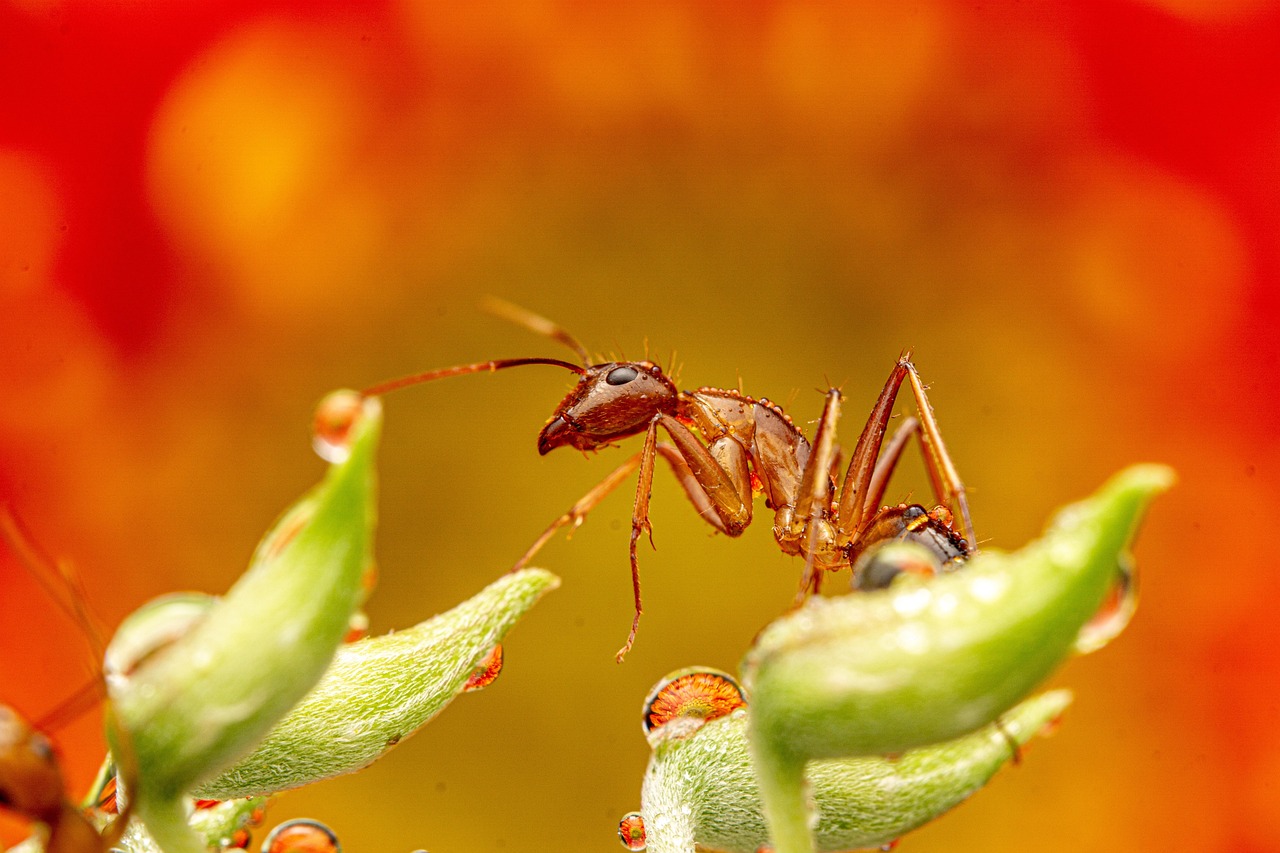
Within a hive, every bee has a purpose. The queen is the heart - laying thousands of eggs each day. The workers are the diligent crew, divided into age‑based castes:
- Egg‑care workers (0 - 5 days) tend to the queen's brood, feeding larvae with royal jelly.
- Nursery workers (6 - 12 days) build and maintain cells, providing the right conditions for development.
- Foragers (13 - 21 days) venture out to collect nectar, pollen, and water, bringing resources back to the hive.
- Defenders (20+ days) protect the colony from predators and intruders.
Each task is choreographed by subtle chemical cues and the hive's internal temperature, creating a self‑regulating ecosystem.
Waggle Dance: The Bee's GPS
When a forager returns, she performs the famous waggle dance. By spinning in a figure‑eight pattern and vibrating her abdomen, she communicates:
- Direction - the angle of the dance relative to the sun tells the direction of the food source.
- Distance - the length of the waggle run indicates how far the resource lies.
- Quality - the intensity of the vibrations signals how rich the nectar or pollen is.
Other bees interpret this dance and head straight to the marked location, making pollination a highly efficient team effort.
Common Questions About Bee Behavior
Q: Why do bees sting? A: Stinging is a last resort, used only to defend the hive. Worker bees carry barbed stingers that lodge in the target, causing the bee to die after the sting. This act reflects their fierce loyalty to the colony.
Q: Do bees sleep? A: Yes, bees experience periods of inactivity, but their "sleep" is short and fragmented, allowing them to remain alert to threats.
Q: Are honeybees the only bees that produce honey? A: While honeybees are the most famous, other species like the stingless bee also produce honey, though in smaller quantities.
How to Support Bees in Your Backyard
Creating a bee - friendly environment is easier than you think. Follow these steps to become a steward of the swarm:
- Plant native flowers - choose species that bloom at different times to provide a continuous food source.
- Offer water - a shallow dish with stones allows bees to drink safely without drowning.
- Avoid pesticides - opt for organic methods; even a single spray can wipe out a whole colony.
- Provide shelter - leave a patch of bare ground for ground‑nesting bees, or install a bee hotel for solitary species.
- Educate neighbors - share knowledge about bees to reduce fear and promote community support.
When you nurture bees, you help secure pollination for crops, support local ecosystems, and honor the complex dance of nature.
The Spiritual Connection to Bees
Bees embody principles of cooperation, diligence, and harmony - qualities that resonate with many spiritual traditions. Their secret lives remind us that:
- True community thrives on shared responsibility.
- Even the smallest contribution can ripple through the entire system.
- Balance between work and rest is essential for sustainability.
By aligning our actions with these lessons, we can cultivate a more mindful, interconnected life.
Practical Takeaway: A Bee‑Friendly Checklist
Here's a quick guide you can print or keep on your phone to ensure your space remains welcoming to bees:
- ✔️ Plant 5 - 10 native flowering species.
- ✔️ Place a shallow water source with stones.
- ✔️ Use organic pest control.
- ✔️ Install a bee hotel or leave ground patches.
- ✔️ Share information with neighbors.
Adopting these practices transforms ordinary gardens into vibrant hubs of life, inviting the secret lives of bees to flourish.