
Introduction
When we think of bees, we often picture golden bodies darting from flower to flower, the scent of honey drifting in the air. Yet, behind every sweet sip lies a complex society, a silent orchestra of cooperation, and a secret life that few truly understand. Let's wander into the hive, where romance meets science, and uncover the marvels that keep our world in balance.
The Hive Hierarchy: A Love Story in the Bee Kingdom
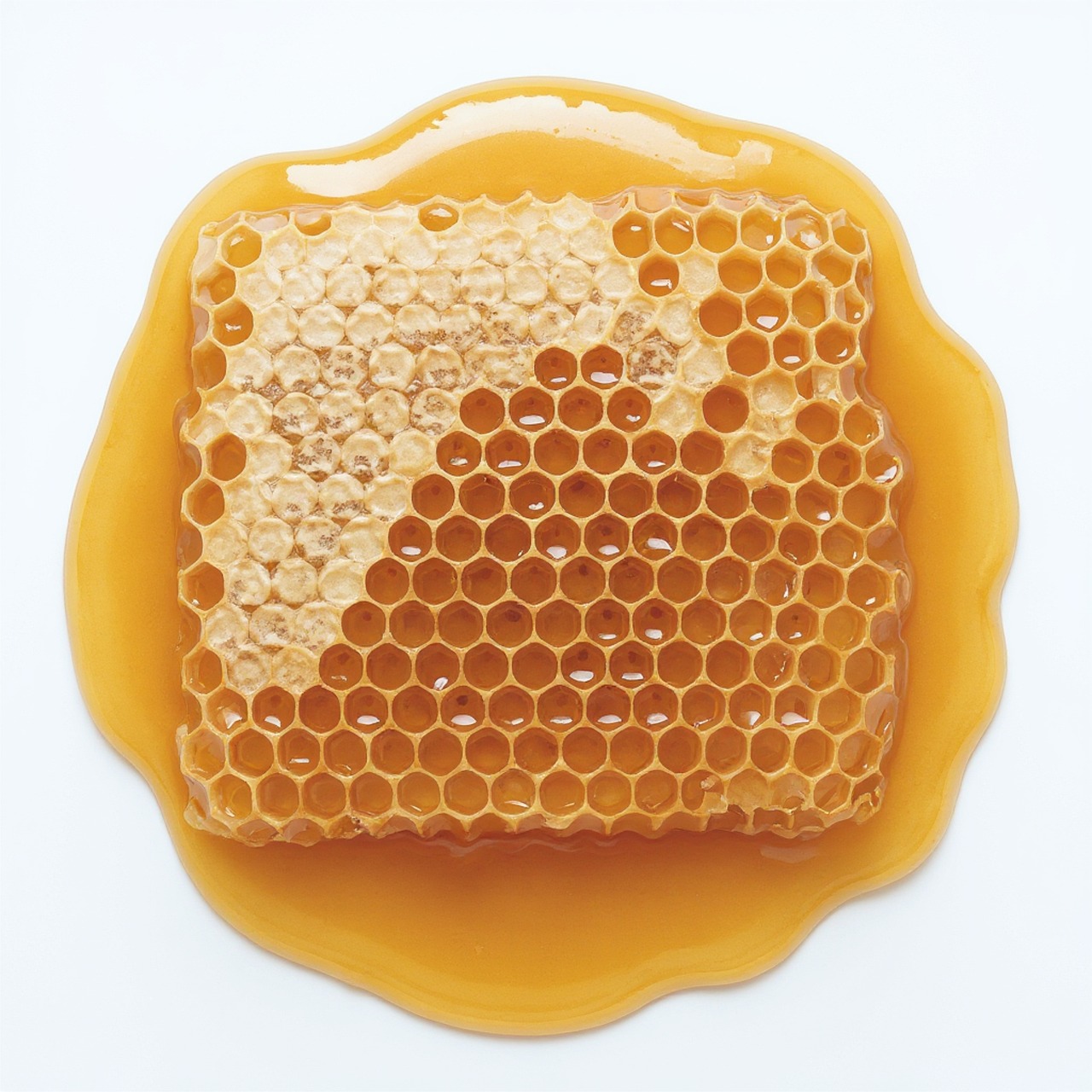
Every hive is a bustling city with roles as clear as a love letter. At the top is the queen bee, the heart of the colony, whose sole mission is to lay thousands of eggs each day. Her presence is a gentle reminder that purpose and passion can coexist.
- Worker Bees: These are the devoted ladies who gather nectar, build honeycombs, and care for the brood. Their tireless dedication is the glue that holds the hive together.
- Drone Bees: The male bees whose primary role is to mate with a queen. Though often seen as a nuisance, they play a vital part in the hive's story.
The Language of Dance: When Bees Talk Without Words
Imagine a couple exchanging whispers in a crowded ballroom - this is how bees communicate. The waggle dance is a mesmerizing performance that conveys the direction and distance of a nectar source. The rhythm and angle of the dance are precise, turning the hive into a living map of the surrounding landscape.
By decoding this dance, researchers have learned that bees can share more than just location - they can express urgency, danger, and even a subtle nod to the best flowers of the season. It's a sign of the silent romance of nature's most industrious creatures.
Secret Communication: Beyond the Dance

Bees also use pheromones - chemical messages that trigger responses in other bees. A queen's pheromone signals her fertility, while a worker's scent marks a safe path back to the hive. These invisible threads weave a social network that's both efficient and enchanting.
Life Cycle: From Egg to Queen
The bee's life is a cycle of transformation, much like a romance that evolves over time. An egg hatches into a larva, then a pupa, and finally a fully formed bee. The fate of each larva - worker or queen - depends on the diet it receives. A special mixture of royal jelly turns a larva into the queen, while a standard protein - rich feed creates a worker. This dietary decision is the bee's way of choosing a role, much like the choices we make in our own lives.
Bees and Humans: A Mutual Love Affair
Humans rely on bees for pollination, which supports 35 - 40% of global food crops. In return, we provide habitats and protect them from threats. This symbiotic relationship is a living reminder that mutual respect and care can flourish even between species.
Practical Tips for Bee Conservation
Want to help our buzzing allies? Here are some heartfelt actions you can take:
- Plant Bee - Friendly Flowers: Choose native species that bloom at different times, ensuring a steady food source.
- Keep Pesticides to a Minimum: Opt for organic gardening and natural pest control methods.
- Provide Nesting Sites: Leave piles of wood, create bee houses, or plant hedges to give bees places to build their homes.
- Support Local Apiaries: Buy honey from local beekeepers who practice sustainable methods.
- Educate Others: Share the wonder of bees with friends and family - knowledge is the first step to conservation.
Frequently Asked Questions
- Why do bees buzz so loudly? The buzz is produced by the rapid beating of their wings, which also helps them regulate body temperature.
- Can bees sting more than once? Worker bees can sting only once; after stinging, they die. However, they can still protect the hive in other ways.
- What is the average lifespan of a worker bee? During the busy season, it's about 5 - 6 weeks; in winter, they can live up to 6 months.
- Do bees suffer from allergies like humans? Bees can experience stress and disease, but they do not have allergies in the human sense.
- How do bees know when to switch roles? Chemical cues and the amount of royal jelly they receive dictate their development.
Conclusion: A Sweet Legacy Worth Protecting
Bees are more than just pollinators; they are living symbols of cooperation, resilience, and quiet romance. By understanding their secret lives and embracing simple acts of stewardship, we honor the delicate balance that keeps our ecosystems - and our plates - full. Let's keep the hive humming, for the future of our planet and the sweet stories that bees will continue to write.