
Why Dolphins Are More Than Just Playful Creatures
Dolphins have long captured human imagination with their graceful swims and friendly demeanor. Yet, beneath the surface lies a complex society that mirrors many aspects of human life. Their ability to cooperate, solve problems, and adapt to changing environments showcases a depth of intelligence that scientists are still unraveling.
Communication: The Dolphin's Secret Language
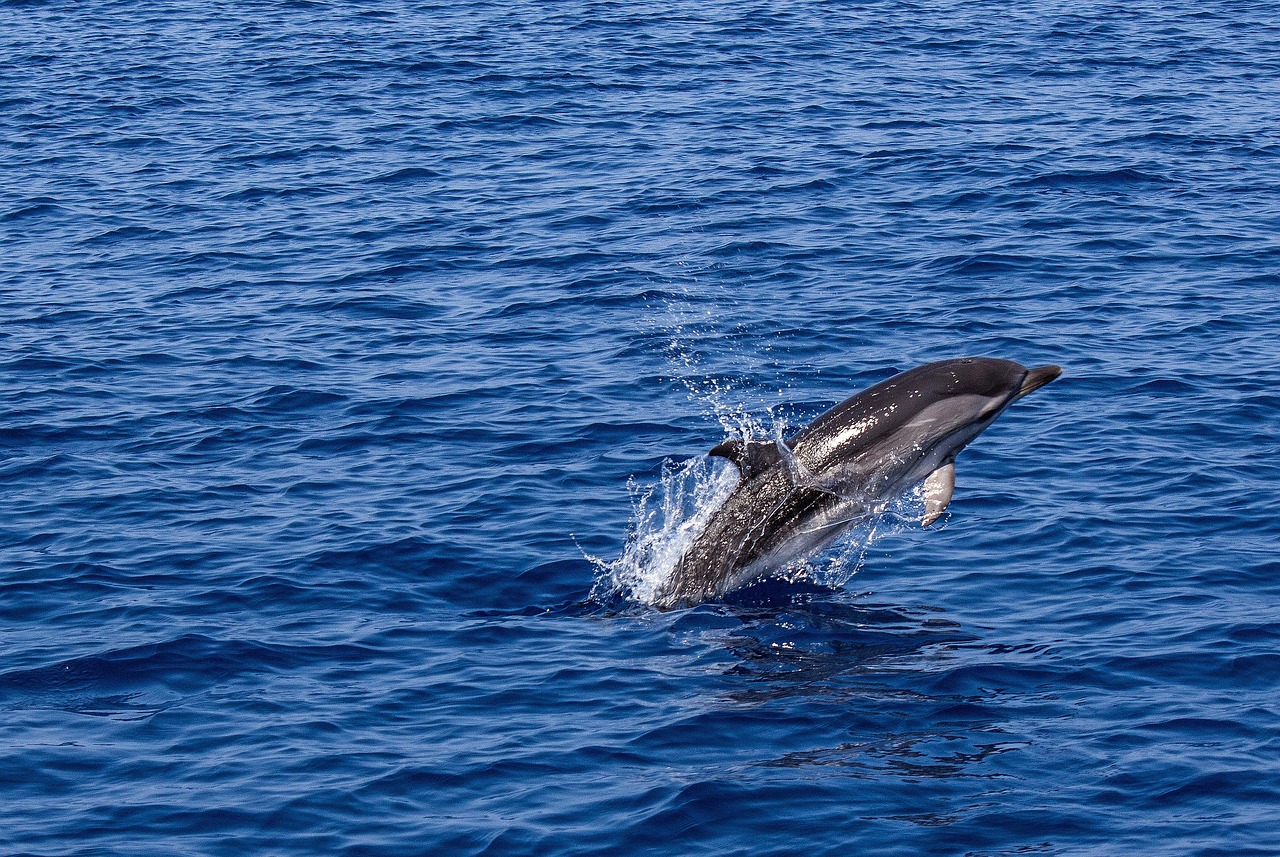
Dolphins use a rich repertoire of clicks, whistles, and body gestures to convey information. Whistles are often individualized - much like a human name - allowing dolphins to identify each other in vast marine spaces. Clicks serve a dual purpose: they help dolphins navigate and hunt, and they also facilitate group coordination during complex social interactions.
- Individual Identification: Each dolphin's signature whistle acts like a call sign.
- Group Coordination: Clicks synchronize movements during hunting or evasion.
- Learning: Young dolphins mimic adult sounds, indicating cultural transmission.
Social Structure: Families and Pods
Dolphins live in dynamic, fluid groups called pods, typically composed of related individuals and occasionally non - kin. These pods exhibit cooperative hunting, caregiving, and even collective defense strategies. The social bonds formed within pods are critical for individual survival and the overall health of the group.
- Matriarchal Leadership: Older females often guide the pod's movements.
- Alloparenting: Non - mothers help raise calves, ensuring communal care.
- Play Behavior: Play is not just fun; it reinforces social ties and teaches essential skills.
Intelligence: Problem Solving and Tool Use

Studies have shown dolphins can solve puzzles, use tools, and even understand symbolic representations. Their cognitive flexibility allows them to adapt strategies across varied tasks - from fishing to navigating complex reef systems.
- Tool Use: Some species cover their snouts with sponges to protect themselves while foraging.
- Imitation: Dolphins learn from each other, demonstrating cultural transmission.
- Communication with Humans: In controlled settings, dolphins can interpret simple commands and symbols.
Echolocation: The Dolphin's Radar
Echolocation is the dolphin's most powerful sensory tool. By emitting high - frequency clicks and listening to the returning echoes, dolphins map their surroundings, detect prey, and navigate murky waters.
- Precision: Echolocation can identify objects as small as a few centimeters.
- Speed: Clicks travel at about 1,400 meters per second, allowing real - time adjustments.
- Communication: Certain click patterns are used for long - range contact between pods.
Daily Life: Feeding, Play, and Migration
Dolphin diets vary by species but generally include fish, squid, and crustaceans. Feeding strategies are highly cooperative, with pods employing coordinated approaches to herd and flush prey. Outside of feeding, dolphins engage in elaborate play - surfacing, leaping, and even interacting with other species.
- Hunting Techniques: Herding, bubble - netting, and synchronized chases.
- Play: Races, mock battles, and surfing waves.
- Migration: Seasonal movements align with prey availability and breeding needs.
Human Interaction: Responsible Observation
While dolphin watching is popular, it's essential to maintain respectful distance to avoid stress. Proper guidelines include: staying below a certain depth, minimizing noise, and avoiding direct contact.
- Keep a Safe Distance: At least 30 meters away from any individual.
- No Feeding: Feeding alters natural hunting behaviors.
- Limit Visitations: Overcrowding can lead to agitation and injury.
Conservation Challenges and What You Can Do
Threats such as habitat loss, pollution, and shipping traffic pose significant risks to dolphin populations. Conservation efforts focus on protecting marine corridors, reducing noise pollution, and regulating fisheries to prevent bycatch.
- Support Marine Protected Areas: Advocate for zones that restrict harmful activities.
- Reduce Plastic Use: Plastics are a leading cause of accidental ingestion.
- Educate Communities: Awareness campaigns can build responsible tourism.
Frequently Asked Questions
- What is a dolphin's lifespan? In the wild, they typically live 20 - 30 years, but some can reach 50 years under optimal conditions.
- Can dolphins communicate with each other using different dialects? Yes, regional dialects exist, indicating cultural diversity.
- Do dolphins have a sense of humor? Observations of playful behavior suggest a complex emotional life, though humor is still debated.
- How do dolphins help in marine ecosystems? They maintain fish populations, contribute to nutrient cycling, and serve as indicators of ocean health.