
Why Speed Matters in the Animal Kingdom
Speed isn't just a flashy trait; it's a vital survival skill. Whether hunting, escaping predators, or navigating challenging terrains, the fastest animals have evolved remarkable adaptations that allow them to move at astonishing velocities. Understanding these adaptations gives us a glimpse into the incredible diversity of life and the evolutionary pressures that shape it.
Top Speedsters on the Planet
- Peregrine Falcon - The undisputed champion of the sky, capable of diving at over 240 mph (386 km/h) during hunting stoops.
- Cheetah - The fastest land animal, sprinting up to 75 mph (120 km/h) for short bursts.
- Sailfish - The speed king of the sea, reaching 68 mph (110 km/h) while slicing through water.
- Golden Eagle - Aerial speed of 150 mph (240 km/h) during high‑altitude dives.
- Quarter Horse - A domesticated speed record holder, hitting 55 mph (88 km/h) over a 0.25‑mile distance.
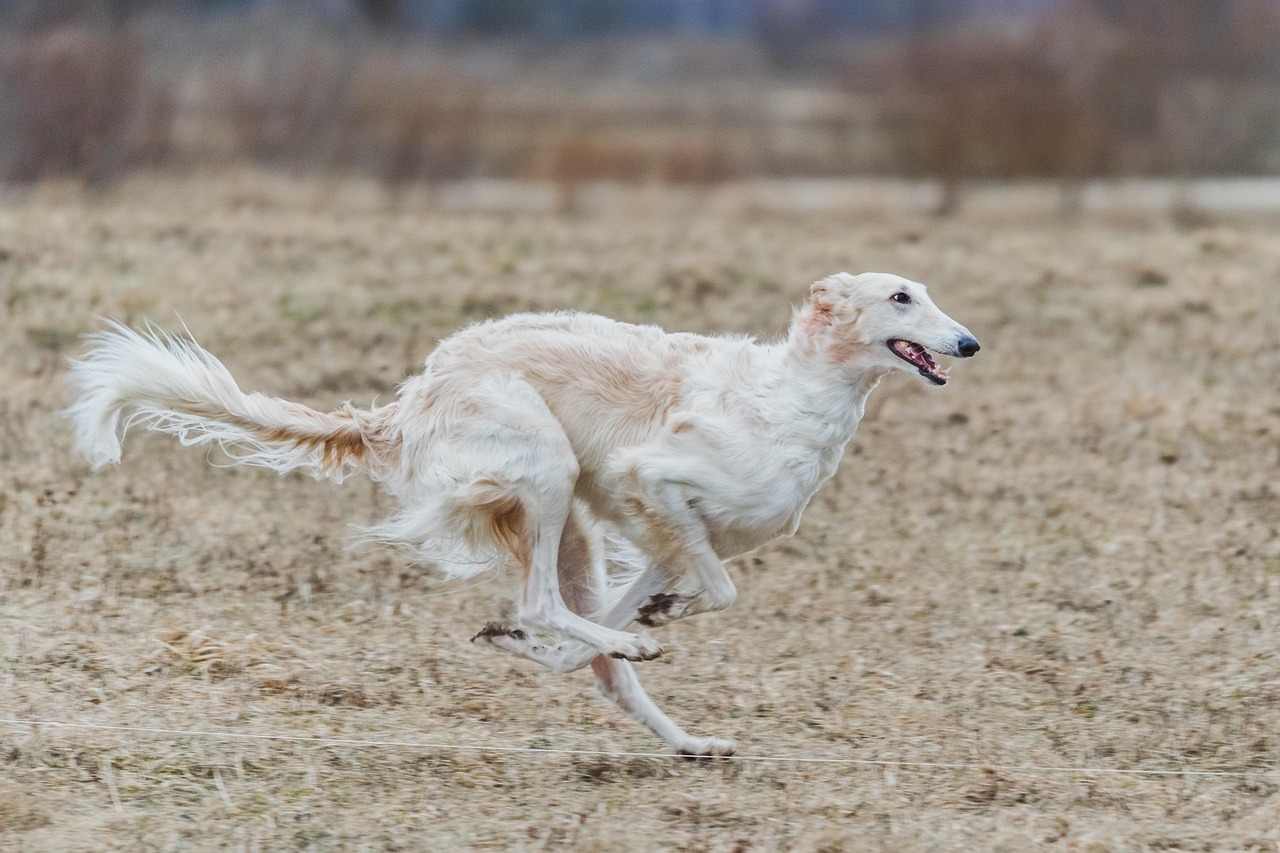
- Greyhound - A dog breed that can run up to 45 mph (72 km/h) on a racetrack.
How These Animals Achieve Their Speed
Each speedster uses a unique combination of anatomy, physiology, and behavior:
- Lightweight Skeletons - The falcon's hollow bones and the cheetah's slender frame reduce drag and weight.
- Muscle Composition - Fast‑twitch muscle fibers dominate in cheetahs and sailfish, allowing explosive power.
- Streamlined Bodies - The sailfish's fusiform shape cuts through water, while the falcon's aerodynamic profile minimizes air resistance.
- Specialized Organs - The sailfish's large dorsal fin acts like a rudder, and the falcon's sharp eyesight detects prey from miles away.
Common Questions About Speedy Creatures
- What is the fastest animal on land? The cheetah, with bursts up to 75 mph.
- How fast does a falcon dive? Peregrine falcons can reach 240 mph during stoops.
- Can humans match any animal speed? While humans can sprint 15 - 20 mph, we lack the specialized anatomy of top speedsters.
- What is the fastest marine animal? The sailfish, reaching 68 mph.
Observing Fast Animals Safely
Seeing these speed champions up close can be thrilling but requires respect and caution:
- **Choose reputable wildlife tours** - Guides know safe distances and how to minimize stress on animals.
- **Keep a respectful distance** - Many fast predators are also dangerous; stay behind the safety lines.
- **Use proper gear** - Binoculars and high‑zoom lenses let you observe without getting too close.
- **Respect local regulations** - Some species are protected; ensure you're not violating any laws.
Practical Tips for Wildlife Enthusiasts
Want to spot these speedsters in their natural habitats? Here are some practical pointers:
- Timing is key - Dawn and dusk are prime times for many predators to hunt.
- Know the habitat - Cheetahs thrive in open grasslands, while falcons favor cliff faces and tall buildings.
- Stay quiet - Loud noises can startle animals, causing them to flee.
- Be patient - Speed doesn't mean they're always visible; sometimes the best moments come from waiting.
Why We Should Celebrate Speed
Speed is a sign of nature's ingenuity. From the aerodynamic wings of the falcon to the streamlined fins of the sailfish, each adaptation tells a story of survival, competition, and evolution. By studying and respecting these incredible animals, we not only satisfy our curiosity but also gain insights that can inspire innovation in engineering, medicine, and environmental conservation.