
The Speediest Birds: Sky‑High Sprinting
Peregrine Falcon reigns as the undisputed king of the skies, reaching a terminal velocity of about 240 km/h (149 mph) during its hunting stoop. Its sleek, pointed wings, powerful heart, and specialized feathers reduce drag, allowing it to dive faster than any other bird. If you ever visit a wildlife sanctuary or an aviary, keep an eye out for these dramatic dives - they're a living example of aerodynamic mastery.
Golden Eagle is another feathered speedster, capable of diving at speeds up to 200 km/h (124 mph). While not as fast as the peregrine, its larger body and strong talons make it an efficient predator in mountainous terrains.
Common question: Can a bird outrun a car? In a straight dive, a peregrine can exceed the speed of a typical city car, but it's a short burst, not sustained travel.
The Quickest Land Mammals: Speed on Four Legs
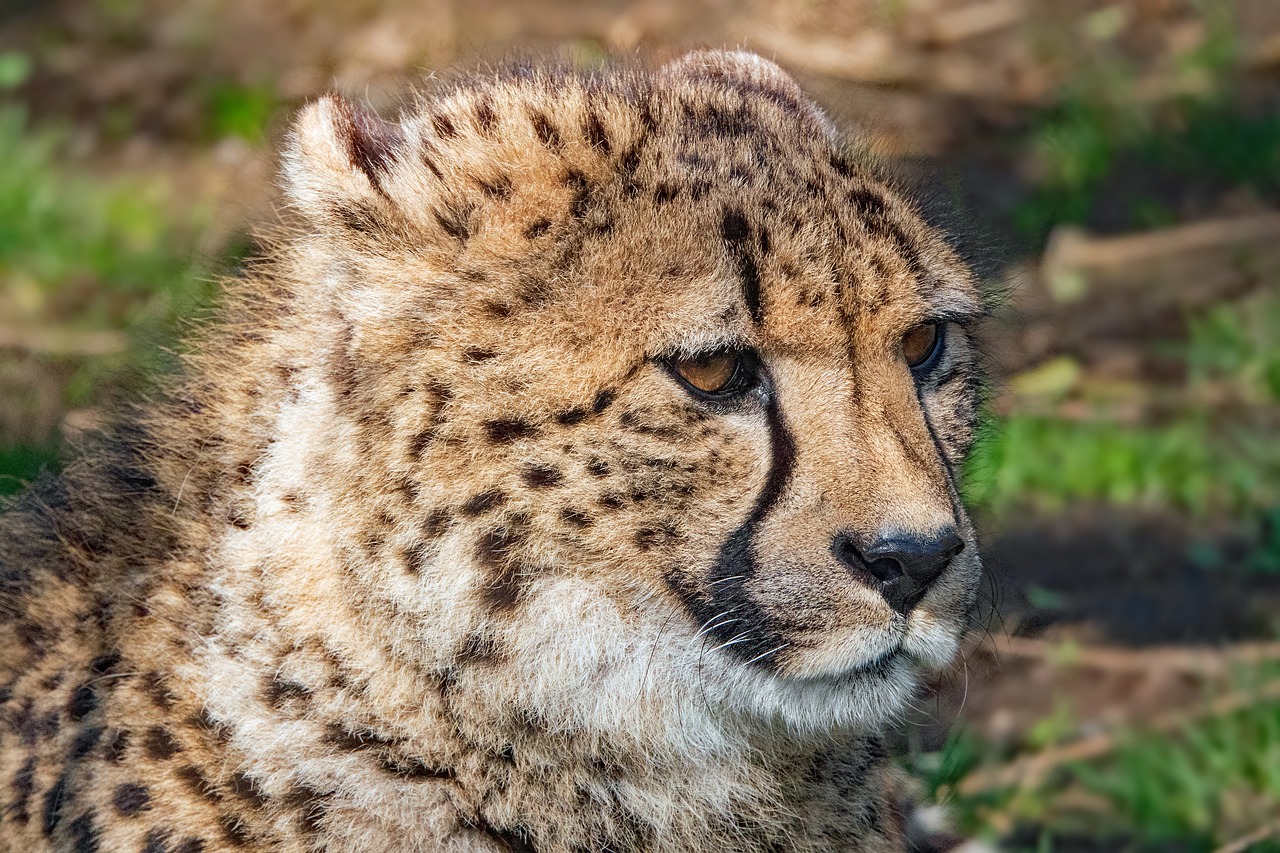
- Cheetah - The fastest land animal on a 100‑meter sprint, reaching speeds up to 120 km/h (75 mph). Its lightweight frame, long limbs, and large nasal passages allow for rapid oxygen intake.
- Pronghorn Antelope - Often cited as the fastest sustained runner, it can maintain 80 - 90 km/h (50 - 56 mph) for several kilometers. Its double‑humped heart and large lung capacity give it an endurance edge.
- Springbok - A South African antelope that can reach 88 km/h (55 mph) in short bursts, thanks to a flexible spine and powerful hind legs.
Practical tip: If you're hiking in open plains, notice how these animals use their speed to escape predators - observe the patterns of their jumps and turns for a deeper appreciation of natural biomechanics.
The Swiftest Aquatic Creatures: Speed Beneath the Surface

Common Sailfish hold the title for the fastest fish, swimming at 110 km/h (68 mph). Their streamlined bodies, long dorsal fin, and powerful tail fin generate a sleek, aerodynamic profile that cuts through water with minimal resistance.
Shortfin Mako Shark can reach 97 km/h (60 mph), using a powerful, crescent - shaped tail to propel itself forward. Their muscular bodies and hydrodynamic shape allow them to chase down fast prey like tuna.
Question answered: Which is faster, a fish or a bird? In terms of absolute speed, the peregrine falcon tops the chart. However, the sailfish's speed is impressive relative to its body size and the medium (water) it navigates.
How Do These Animals Achieve Such Speed?

Speed is a product of anatomy, physiology, and behavior:
- Muscle composition - Fast - twitch muscle fibers provide rapid contraction, essential for quick bursts.
- Body shape - Streamlined bodies reduce drag or resistance, whether in air or water.
- Respiratory efficiency - Large lungs or specialized circulatory systems supply oxygen quickly.
- Neurological coordination - Rapid signal transmission ensures precise muscle timing.
Observing Speedsters in Your Backyard
Many speed records can be witnessed without leaving home:
- Check local parks for birdwatching - you might catch a falcon in a hunting dive.
- Visit a nearby zoo or wildlife reserve to see cheetahs or pronghorns in training sessions.
- If you live near a body of water, keep an eye out for fast fish during feeding times.
Engaging with these animals responsibly not only satisfies curiosity but also supports conservation efforts by raising awareness of their remarkable adaptations.
FAQs About Fastest Animals
- What is the absolute fastest animal? The peregrine falcon holds the record for the fastest animal in a vertical dive.
- Do all fast animals have the same body type? No - different mediums require different adaptations, e.g., streamlined bodies for fish vs. lightweight frames for birds.
- Can humans match animal speed? Human sprint speed tops out around 45 km/h (28 mph), far below top animal speeds, but training and technology can improve performance.
Why Speed Matters in the Wild
Speed is not just for show; it's a survival tool. Predators rely on speed to catch prey, while prey use it to evade danger. Evolution has fine‑tuned these traits over millions of years, creating a delicate balance that keeps ecosystems thriving.