
Introduction: The Wolf - A Symbol of Unity and Power
Wolves have long captivated our imagination, often portrayed as lone loners, yet in reality, they thrive in highly organized packs. Understanding their pack dynamics offers insight not only into their survival strategies but also into broader ecological balances. In this guide, we break down how wolves live together, hunt, communicate, and why their social behavior matters for wildlife conservation.
The Pack: A Structured Family Unit
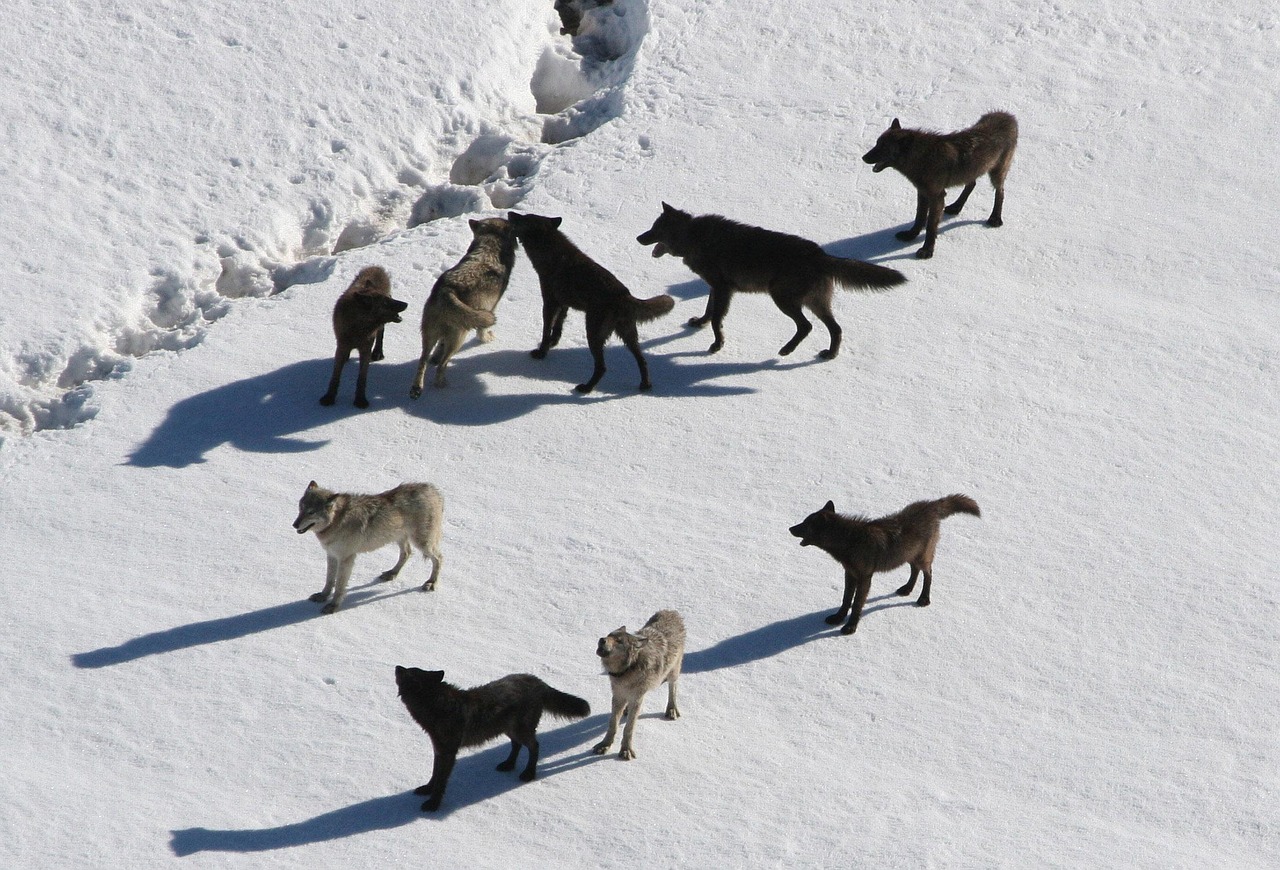
Unlike many predators that hunt alone, wolves depend on their pack for every major life event. A typical pack ranges from 4 to 15 members, usually consisting of a breeding pair (the alpha couple) and their offspring. Below is a quick overview of pack roles:
- Alpha Pair: Leaders, decision - makers, and the primary breeders.
- Subordinates: Older pups or younger adults who assist in hunting and protecting the pack.
- Pups: Young wolves that learn pack behaviors through observation and play.
- Non - breeding Adults: Often older wolves who help with rearing and territorial defense.
Hierarchy and Decision - Making
Wolves establish a clear hierarchy through subtle body language, vocalizations, and occasional displays of dominance. While the alpha pair sets the direction, decisions - such as when to hunt or move territory - are often a consensus among senior members. This collective intelligence allows packs to adapt quickly to changing environments.
Hunting in Sync: The Pack's Tactical Advantage
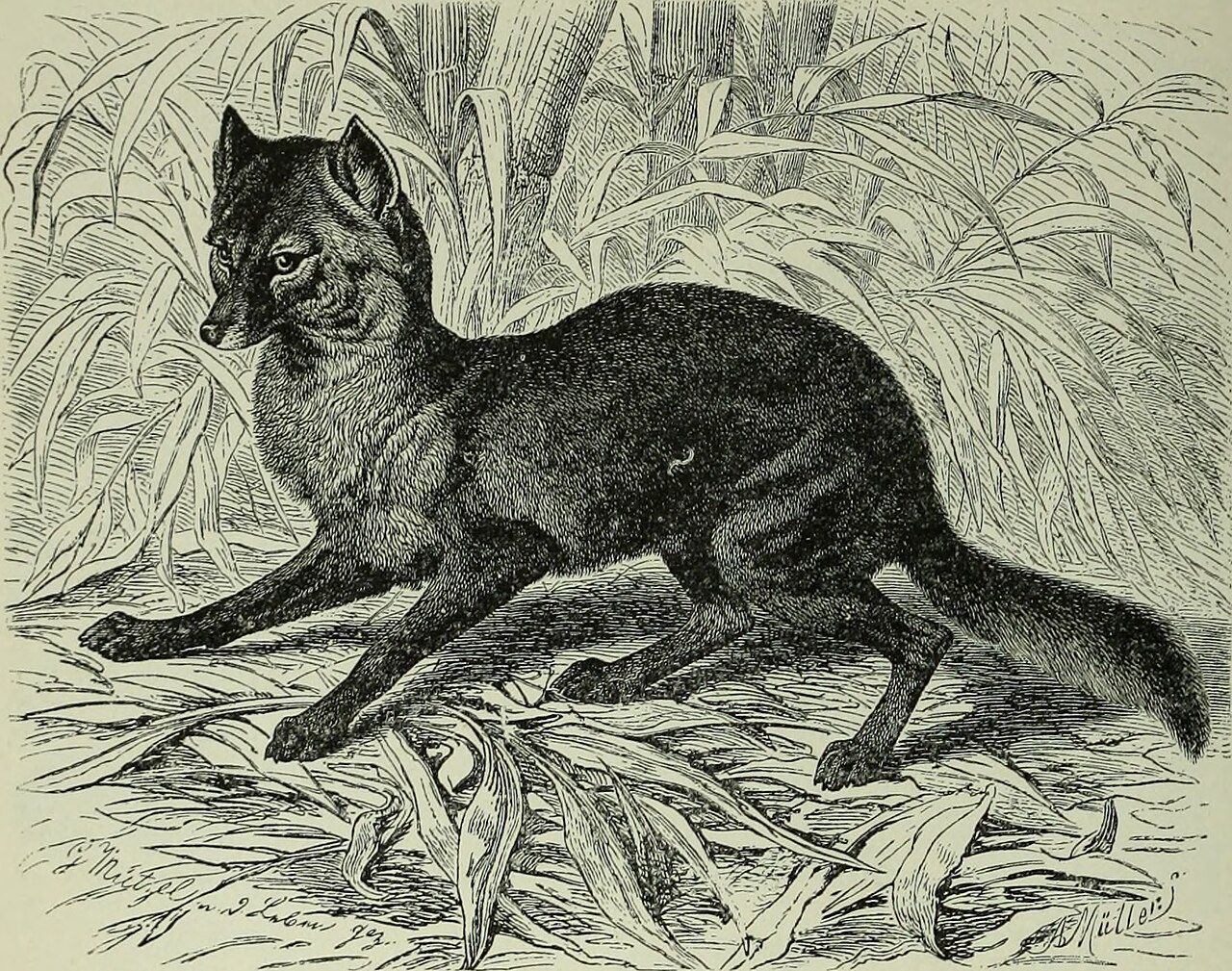
Wolves are renowned for their cooperative hunting strategies. Their success depends on:
- Communication: Howls, growls, and scent marking coordinate movements.
- Roles: Each wolf targets specific parts of the prey - some chase, others flank, while a few maintain the chase.
- Persistence: Pack members rarely give up; they may chase prey for hours, ensuring exhaustion before the kill.
- Energy Efficiency: By sharing the workload, wolves reduce individual exertion and increase the chances of a successful hunt.
Typical prey includes deer, elk, and smaller mammals. In open plains, wolves use their speed and endurance, while in dense forests they rely more on stealth and teamwork.
Communication: The Language of the Wild
Beyond howls that echo across valleys, wolves use:
- Body Posture: Tail position, ear orientation, and eye contact signal intent.
- Vocalizations: Growls, barks, and whines convey excitement, warning, or submission.
- Scent Marking: Urine and gland secretions reinforce territory boundaries and social bonds.
These signals help maintain cohesion, especially during complex hunts or when navigating unfamiliar terrain.
Reproduction and Raising Young
Pack life is important for raising pups. The alpha couple typically breeds once a year, and the entire pack cooperatively:
- Providing food to the mother.
- Protecting pups from predators.
- Teaching hunting skills through role - play.
When pups reach maturity, they often leave to form new packs or join neighboring groups, ensuring genetic diversity and spread.
Human - Wildlife Interactions: A Delicate Balance
Wolves coexist with human activities, but conflicts arise when:
- Livestock falls prey.
- Pack territories overlap with human settlements.
- Habitat fragmentation limits natural food sources.
Practical solutions include:
- Using guard animals like dogs or llamas.
- Installing secure fencing.
- Implementing compensation schemes for livestock losses.
- Promoting habitat corridors to reduce human - wolf encounters.
Conservation: Protecting the Pack Ecosystem
Preserving wolf populations is essential for ecosystem health. Wolves help maintain prey populations, encourage biodiversity, and even influence vegetation patterns. Conservation strategies focus on:
- Habitat restoration.
- Legal protection and anti - poaching measures.
- Public education to dispel myths and build coexistence.
By supporting these efforts, we ensure that wolves continue to thrive and play their vital ecological role.
Conclusion: The Wisdom of the Pack
Wolves exemplify how social cooperation, clear communication, and shared responsibilities enable a species to survive in diverse environments. Their pack structure not only facilitates efficient hunting but also reinforces genetic health, resilience, and ecological balance. Appreciating these intricacies helps us respect and protect these magnificent predators for generations to come.