
Overview of the Chinese New Year
Every year, millions of people around the world gather to welcome the Lunar New Year, also known as the Spring Festival. Unlike the Gregorian calendar's fixed date, the Chinese New Year falls between late January and mid‑February, depending on the lunar cycle. The festival lasts 15 days, culminating in the Lantern Festival, and is steeped in symbolism, history, and family values.
1. Preparations: Sweeping Away the Past
Before the new year begins, families clean their homes to sweep away bad luck and make space for good fortune. This ritual, called "Gong Xi", involves a deep clean of every corner - dust, clutter, and old décor are discarded. Afterward, a fresh coat of paint in red, the color of luck, is applied to walls and doors.
2. Decorations: Red, Lanterns, and Calligraphy
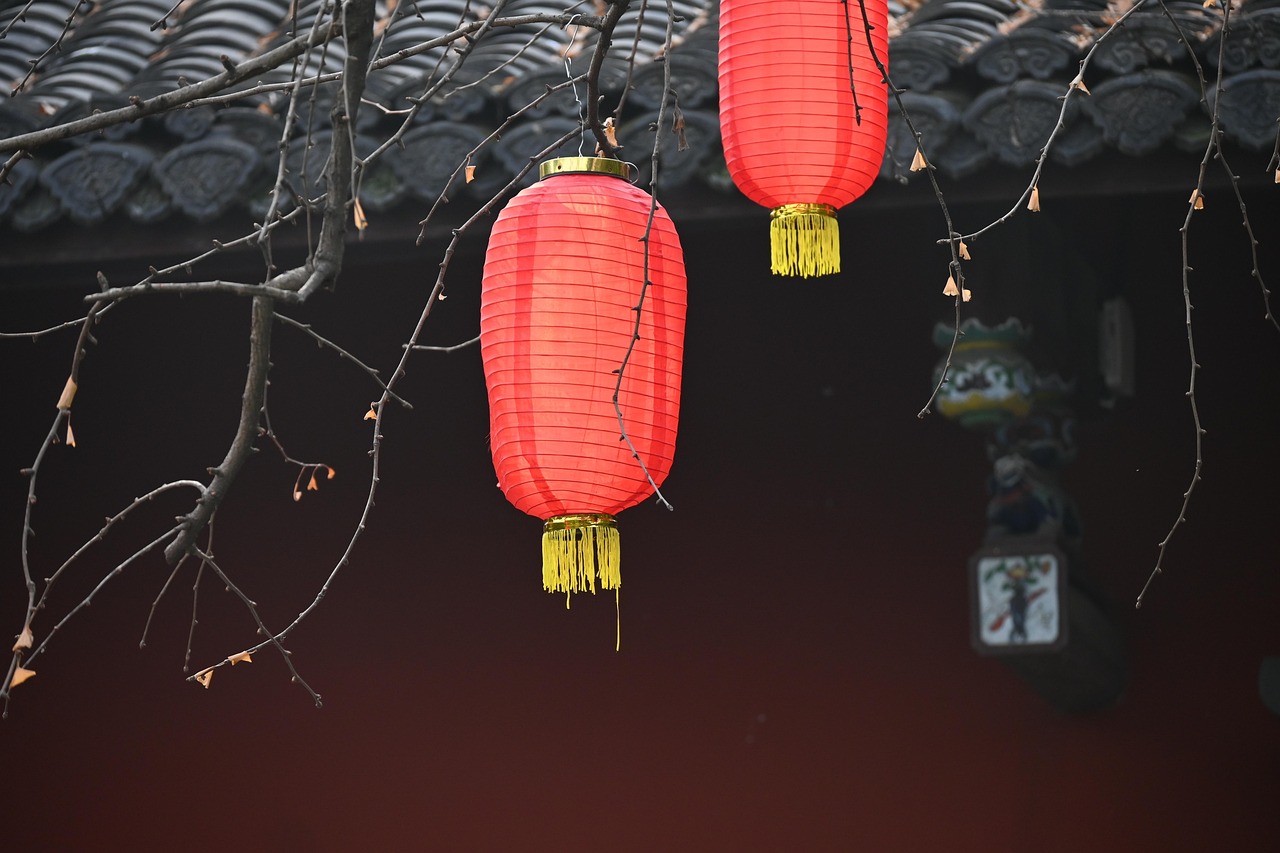
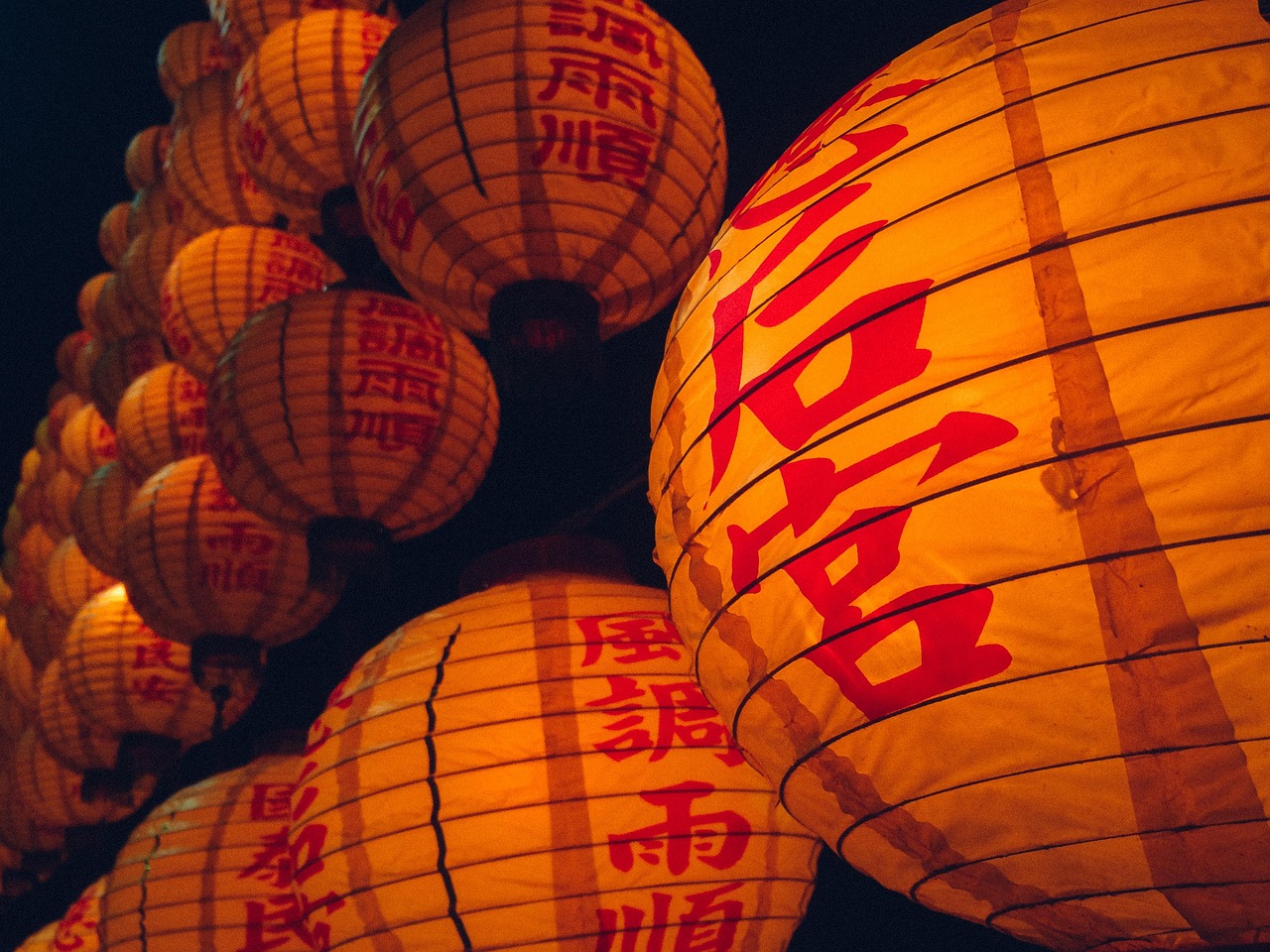
Red lanterns hang from rooftops, while paper cuttings of dragons, phoenixes, and auspicious characters adorn windows. These decorations are more than eye candy; they represent prosperity, protection, and the promise of a bright future. Many families also display a "Fu" character (meaning good fortune) on doors, hoping the luck enters the home.
3. Family Reunion Dinner: The Most Important Meal
The New Year's Eve dinner, called "Nian Ye Fan", is the highlight of the festival. It brings relatives - sometimes traveling from distant cities - together to share a feast that symbolizes unity and gratitude. Common dishes include:
- Fish (Yu) - The word for fish sounds like "surplus," wishing abundance.
- Jiaozi (Dumplings) - Resembling ancient gold ingots, they promise wealth.
- Longevity Noodles - Slender noodles that indicate a long life.
- Glutinous Rice Cake (Nian Gao) - Sweet and sticky, representing growth and advancement.
During the dinner, elders share stories and blessings, and children receive red envelopes.
4. Red Envelopes (Hong Bao): Blessings in Money
Red envelopes carry lucky money, usually given by married adults to unmarried children and grandchildren. The color red wards off evil spirits, and the money inside symbolizes prosperity. It's customary to give envelopes in multiples of two or eight - numbers considered lucky in Chinese culture.
5. Lanterns and Fireworks: Light Up the Night
Fireworks ignite the sky on the first day, believed to scare away malevolent spirits. Later, lanterns drift across rivers and rooftops, creating a magical glow. Many cities host lantern parades, and families craft paper lanterns shaped like animals or symbols.
6. Cultural Performances: Lion Dances and Dragon Parades
Traditional lion dances, performed by skilled dancers, are meant to bring good luck and chase away evil. Dragon parades, often accompanied by drums and cymbals, showcase teamwork and strength. In some regions, folk music and opera performances are integral to the celebrations.
7. Global Celebrations: A World of Diversity
From Shanghai's grand fireworks to New York's Times Square parade, Chinese New Year has become a global festival. In communities with a Chinese diaspora, local restaurants offer special menus, and schools host cultural workshops to teach children about heritage.
8. Practical Tips for First‑Timers
- Plan Ahead: Book flights and accommodations early; popular destinations fill up fast.
- Respect Traditions: Learn a few Chinese phrases - "Xin Nian Kuai Le" (Happy New Year) - to show respect.
- Dress Appropriately: Wear new, clean clothes in red or bright colors to symbolize renewal.
- Participate: Join a family dinner or a local parade to experience the festival's heart.
Whether you're a native or a curious traveler, immersing yourself in these customs offers a glimpse into a culture that values family, prosperity, and renewal.