
Introduction
Every spring and autumn, thousands of bird species embark on epic journeys that span continents and oceans. The idea that a tiny creature can navigate thousands of miles without a map seems almost magical, yet science has revealed a remarkable toolkit of biological and environmental cues that birds use to find their way home.
The Challenge of Long‑Distance Migration
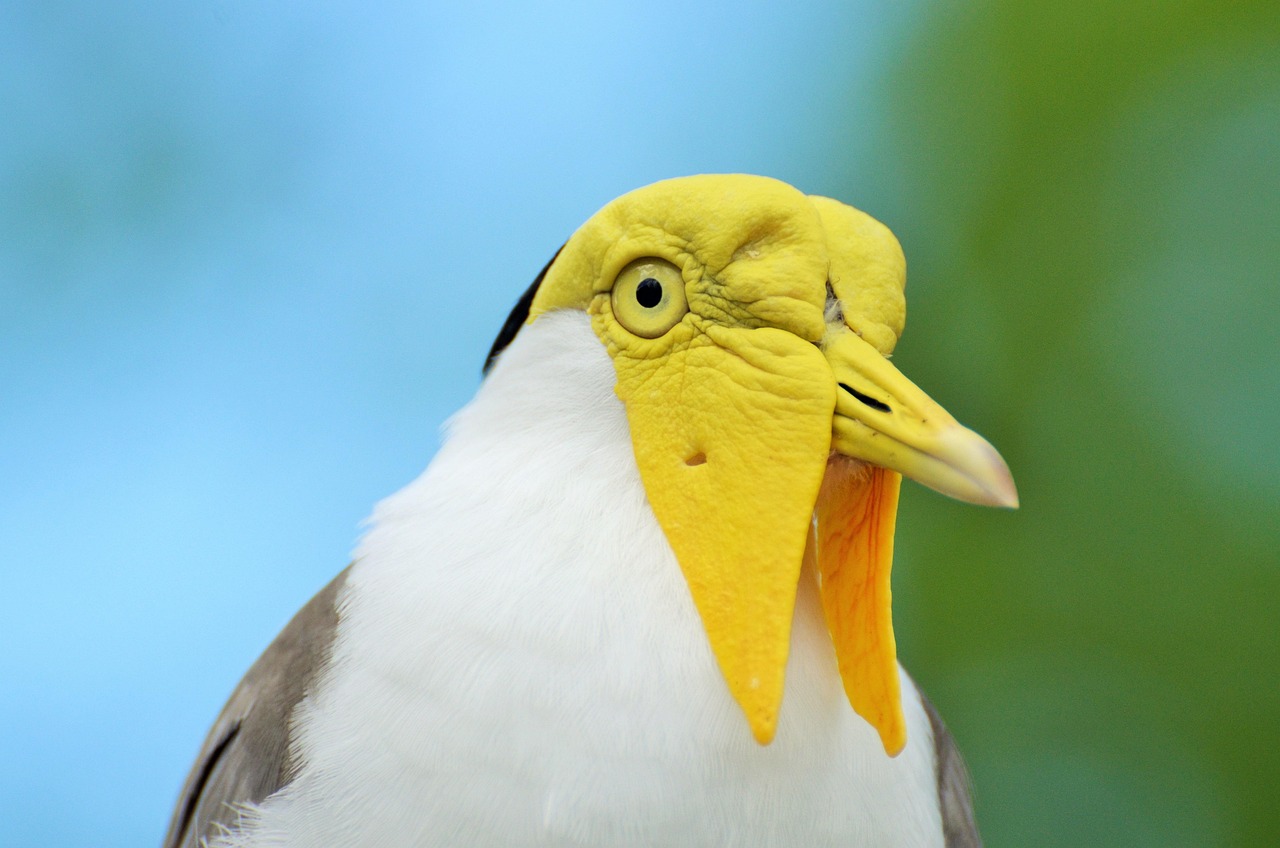
Unlike humans, birds cannot rely on GPS satellites or road signs. They face a world full of changing weather fronts, shifting landscapes, and no physical landmarks. The ability to orient themselves accurately is essential for survival, breeding success, and avoiding dangerous predators.
The Navigation Toolkit
Birds employ a combination of internal and external signals - often in parallel - to navigate. Below are the most well‑documented mechanisms:
- Sun Compass: Many species use the position of the sun as a clock, adjusting for the time of day to maintain a consistent heading.
- Magnetic Field Detection: Specialized cells in the upper beak or retina sense Earth's magnetic field, providing a magnetic map and compass.
- Star Maps: At night, some species - especially those that fly over open oceans - rely on the pattern of stars and the Milky Way as a celestial compass.
- Olfactory Cues: Certain migratory birds can smell geographic landmarks, such as the scent of salt or specific vegetation, to confirm their location.
- GPS‑like Internal Map: Researchers suggest that birds may develop an internal representation of routes, updated by memory and sensory feedback.
How Young Birds Learn to Fly
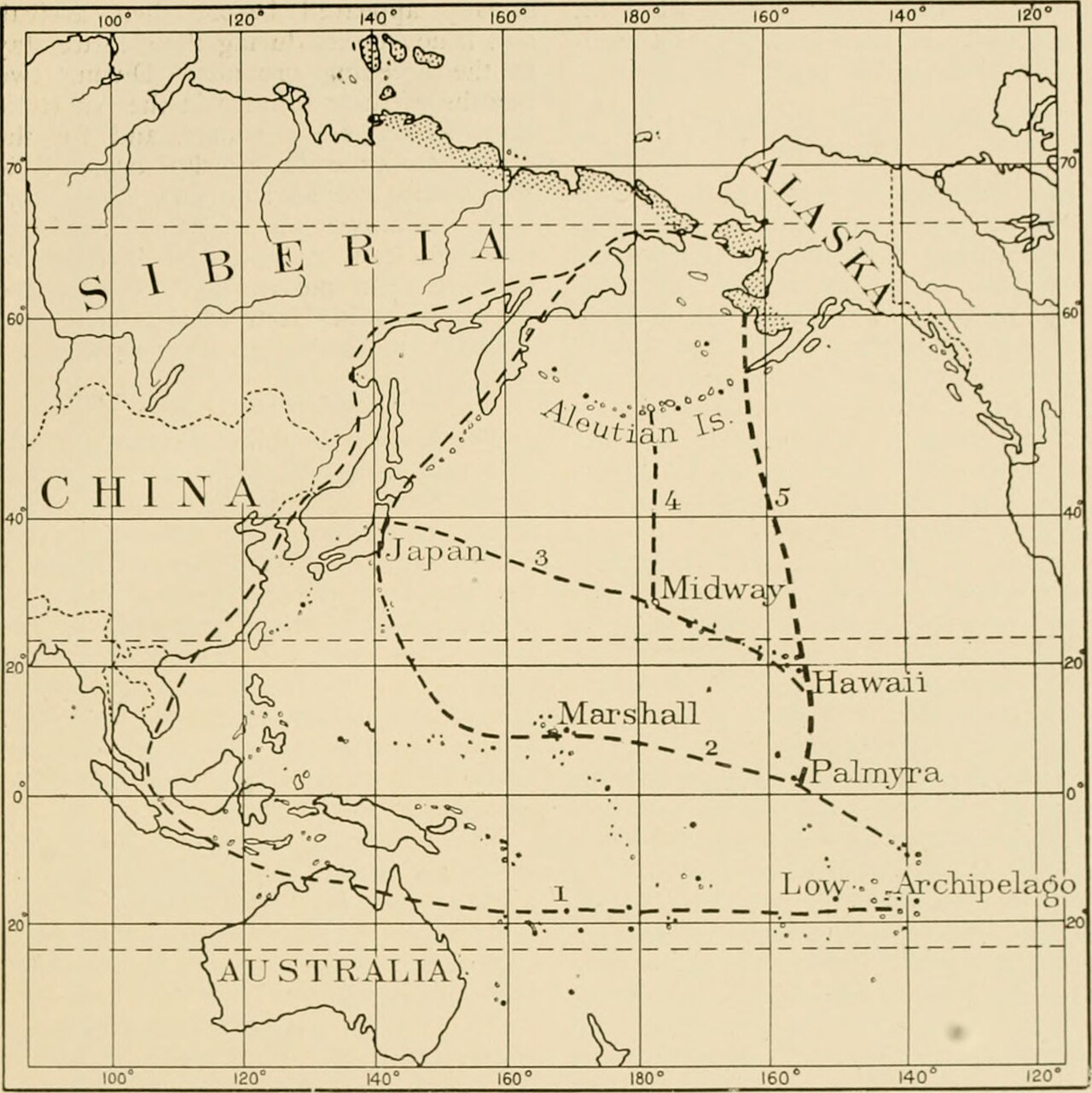
Migration is not innate for all species. Young birds often undergo a learning phase where they observe experienced adults, practice long flights, and refine their navigation skills. This apprenticeship ensures that the next generation can complete the same arduous trek.
Practical Tips for Birdwatchers
Want to witness these incredible journeys up close? Here are some ways to spot and support migratory birds:
- Use Migration Maps: Check regional birding forums for the latest migration corridors and timing.
- Set Up a Nesting Box: Provide safe roosting sites for species that stopover during long flights.
- Record Observations: Document species, numbers, and behavior - your data can aid scientists tracking migration patterns.
- Support Clean Waterways: Migratory birds rely on clean rivers and wetlands for refueling. Advocacy for water quality helps preserve these essential habitats.
The Impact of Climate Change on Navigation
Shifting weather patterns, altered magnetic fields, and changes in food availability can all throw birds off course. Studies show that some species adjust their routes, but the increased energy expenditure can reduce breeding success.
Conservation Takeaways
Understanding how birds navigate informs conservation strategies:
- Protect key stopover sites that provide food and rest.
- Maintain the integrity of magnetic field zones by limiting electromagnetic pollution.
- Support research into the role of olfaction and magnetic sensing in navigation.