
What Makes a Species Endangered?
In simple terms, an endangered species is a group of animals or plants whose numbers have fallen to a level where their survival in the wild is at serious risk. The International Union for Conservation of Nature (IUCN) categorizes species based on population trends and threats, ranging from "Least Concern" to "Extinct in the Wild." When a species reaches the "Endangered" status, it means the population has decreased by more than 50% over the last 10 years or three generations, whichever is longer.
Top 5 Species at Risk Today
- Amur Leopard (Panthera pardus orientalis) - With fewer than 100 individuals left, this big cat is a flagship for forest conservation in the Russian Far East.
- Vaquita (Phocoena sinus) - The world's most endangered marine mammal, only about 10 - 15 animals remain, all caught in gill‑net fishing.
- Sumatran Elephant (Elephas maximus sumatranus) - Habitat fragmentation and illegal ivory trade threaten these magnificent herbivores.
- California Condor (Gymnogyps californianus) - Once extinct in the wild, this bird is now a conservation success story but remains vulnerable to lead poisoning.
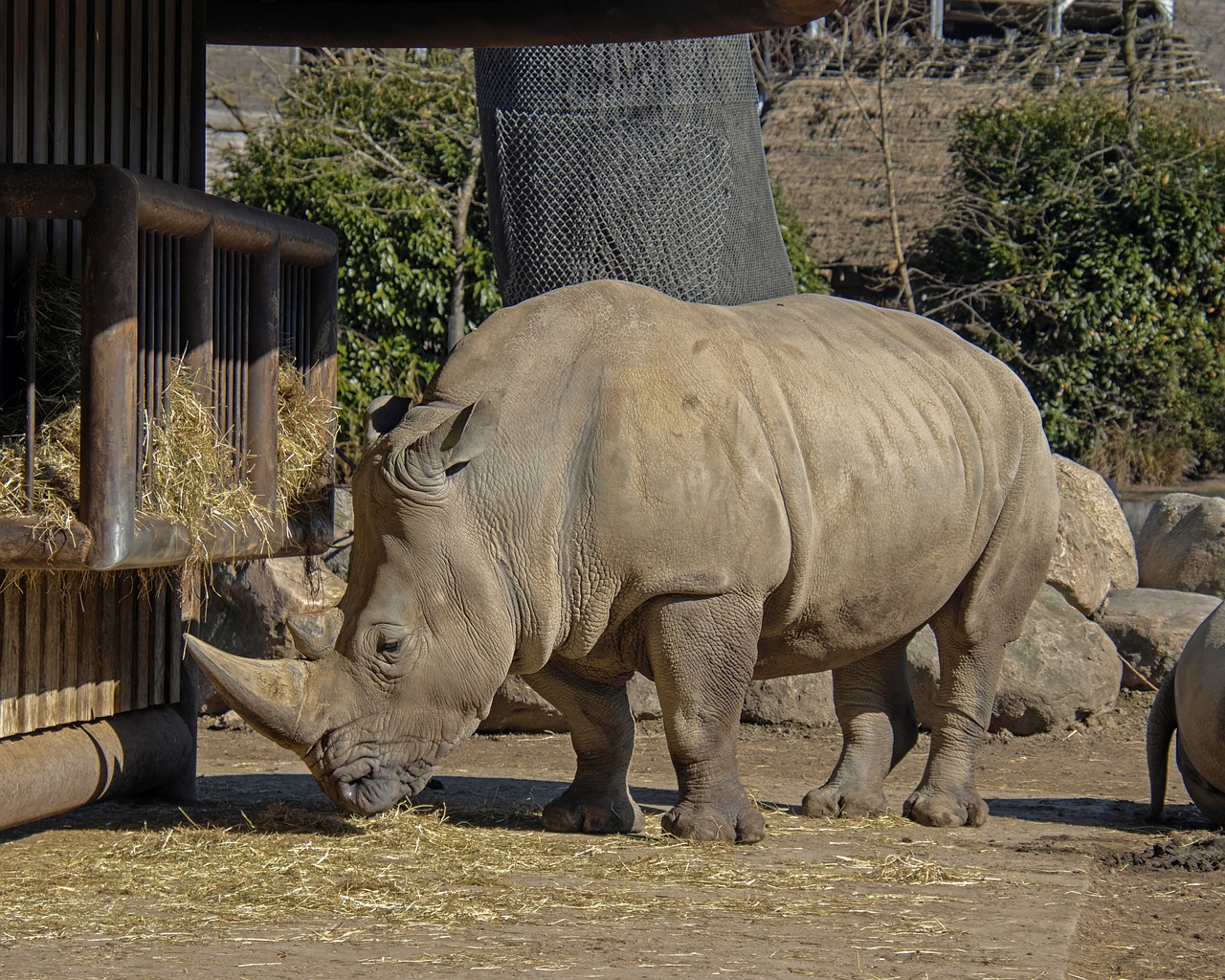
- Javan Rhino (Rhinoceros sondaicus) - The world's smallest rhino faces a near‑certain extinction if current poaching rates continue.
How Habitat Loss Drives Decline
When forests, wetlands, or coral reefs disappear, so do the species that depend on them. Deforestation for agriculture, mining, and urban expansion reduces food sources, nesting sites, and migratory corridors. For example, the loss of mangrove ecosystems has pushed the critically endangered sea turtles into fewer nesting beaches, increasing their vulnerability to predators and human interference.
The Role of Poaching and Illegal Trade
Poaching is the primary driver behind many species' decline. Ivory, horns, skins, and exotic pets are highly valued in black markets. Even small - scale hunting can decimate populations that are already struggling. Combating illegal trade requires stricter law enforcement, better international cooperation, and community education to shift local attitudes toward wildlife.
Climate Change and Species Survival
Rising temperatures, altered precipitation patterns, and more frequent extreme weather events shift habitats and food availability. Species with limited ranges, like the snow leopard, face shrinking prey bases, while coral reefs suffer bleaching events that kill off the organisms that thrive on them. Adaptation strategies - such as creating wildlife corridors - are essential to help species track changing climates.
What Can You Do to Help?
- Support Certified Conservation Projects - Look for NGOs with transparent funding and measurable outcomes.
- Reduce Your Ecotourism Footprint - Choose responsible tours that give back to local communities and avoid disturbing wildlife habitats.
- Advocate for Stronger Wildlife Laws - Sign petitions, write to representatives, and support policy that protects critical habitats.
- Adopt a Species - Many charities allow you to "adopt" an animal; the fee funds research and protection efforts.
- Spread Awareness - Share facts on social media, host local talks, and educate friends about the importance of biodiversity.
Supporting Conservation Organizations
There are numerous reputable organizations working on the front lines of wildlife protection. Some focus on specific species, while others tackle broader ecosystem conservation. Consider contributing to:
- World Wildlife Fund (WWF) - Global habitat preservation and anti - poaching programs.
- Wildlife Conservation Society (WCS) - Research and protection of over 400 species.
- International Rhino Foundation - Anti - poaching and habitat restoration for rhinos worldwide.
- Sea Turtle Conservancy - Protects sea turtles from habitat loss and illegal trade.
- Conservation International - Works with local communities to create sustainable livelihoods that protect wildlife.
By combining individual actions with institutional support, we can create a ripple effect that safeguards endangered species and the ecosystems they inhabit. Every small step - whether it's a donation, a vote, or a conversation - helps keep our planet's mix of life vibrant and resilient.