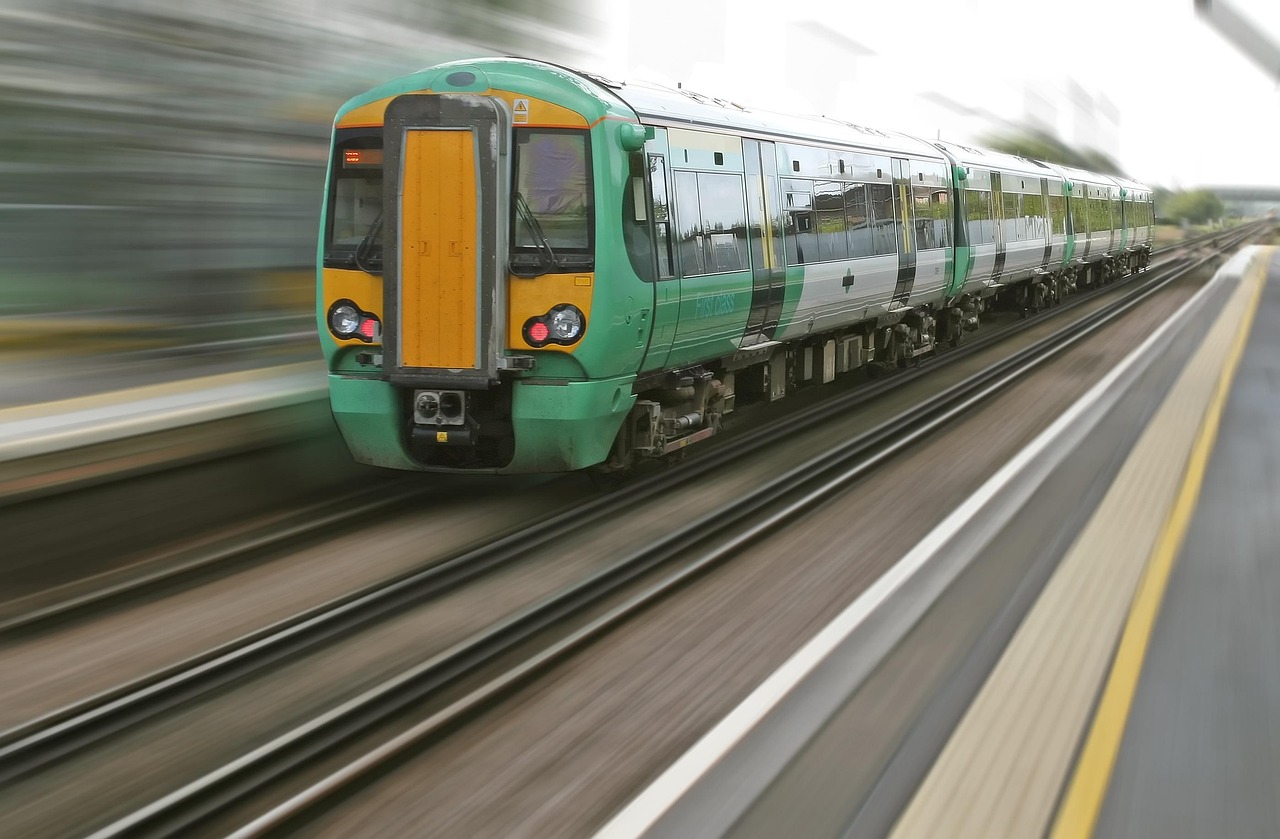
When most people think of travel, the image that pops up is a whirlwind itinerary: flights, hotels, a handful of sights, and a return home before the weekend ends. That's fast travel - efficient, but often shallow. Slow travel, on the other hand, invites you to linger, explore, and truly connect with the places you visit. In this article, we'll dive into why slow travel is not just a trend, but a better way to experience the world.
What Is Slow Travel?
Slow travel is the intentional choice to move at a relaxed pace, spending more time in fewer destinations. It focuses on immersion, authenticity, and sustainability. Rather than rushing from one attraction to the next, you:
Choose local stays (guesthouses, homestays, small hotels)
Use public transport or walk whenever possible
Engage with local culture through food, festivals, and conversations
Plan flexible itineraries that allow spontaneous discoveries
Why Slow Travel Beats Fast Travel
While fast travel has its perks - time - saving and convenience - slow travel offers a richer, more meaningful experience. Here's why:
Deeper Cultural Immersion: Spending days or weeks in a place allows you to see everyday life, beyond the tourist spots. You'll notice local rhythms, hear authentic conversations, and appreciate subtleties that a quick visit would miss.
Better Mental Well‑Being: Constant movement can be exhausting. Slow travel reduces travel fatigue, giving you time to relax, reflect, and recharge in a new environment.
Environmental Responsibility: Fewer flights, less waste, and support for local economies mean a smaller carbon footprint and a more sustainable tourism model.
Authentic Connections: When you stay longer, locals are more likely to open up. You can build friendships, learn new skills, and share stories that turn a trip into a lasting memory.
Economic Impact: Small businesses thrive on repeat visitors. Your extended stay helps local artisans, restaurants, and guides, creating a more resilient community.
Practical Benefits of Slow Travel
Flexibility: A relaxed itinerary lets you adapt to weather, local events, or spontaneous adventures.
Cost‑Effectiveness: Longer stays often mean cheaper accommodation rates and reduced transportation costs.
Personal Growth: Learning a few phrases in the local language, navigating unfamiliar streets, or cooking regional dishes fosters confidence and adaptability.
Healthier Travel Habits: You're more likely to eat fresh, stay active, and get adequate sleep when you're not constantly on the move.
How to Practice Slow Travel
Ready to shift gears? Follow these simple steps to embrace a slower pace:
Choose One Destination at a Time: Pick a city, region, or even a single town and stay there for at least a week.
Book Local Accommodations: Opt for guesthouses, bed‑and‑breakfasts, or homestays that offer a genuine feel of the area.
Use Public Transport: Buses, trams, and trains are not only affordable but also give you a slice of everyday life.
Eat Like a Local: Skip the tourist restaurants. Seek out street food stalls, neighborhood markets, and family‑run eateries.
Learn Basic Phrases: Knowing a few words in the local language goes a long way in building rapport.
Plan "No‑Schedule" Days: Reserve days with no set plan to wander, discover hidden gems, or simply rest.
Respect Local Customs: Observe dress codes, greetings, and etiquette. This shows respect and encourages deeper engagement.
Stay Connected, But Not Obsessed: Keep a journal or blog, but allow yourself to disconnect from screens to fully experience the moment.
Support Local Economy: Buy souvenirs from artisans, hire local guides, and choose services that directly benefit the community.
Plan Ahead, But Be Flexible: Have a rough itinerary, but remain open to changes - often the best experiences come unplanned.
Common Questions About Slow Travel
Is slow travel more expensive? Not necessarily. Longer stays can lower daily costs, and you'll save on flights and last‑minute bookings.
What if I have a tight schedule? Even a week‑long slow travel experience can transform your perspective. Prioritize quality over quantity.
Can I travel slow with a partner or family? Absolutely. Slow travel encourages bonding and shared experiences.
How do I deal with homesickness? Staying in local accommodations and connecting with residents helps create a sense of belonging.
What about safety? Like any travel, research local conditions, stay aware, and follow local advice. Slow travel often involves staying in safe, community‑centric areas.