
Why Sound Matters in Travel
When we think of travel, images of iconic sights and flavors often come to mind. Yet the true essence of a place is also carried in its sounds - the chatter of markets, the echo of ancient temples, the hush of a forest at dawn. Soundscapes shape our memories, evoke emotions, and create a deeper connection with the culture we visit.
Types of Soundscapes You Can Explore
- Urban Rhythms - the steady pulse of traffic, street performers, and nightlife.
- Nature's Orchestra - birdsong, wind through trees, flowing rivers, and wildlife.
- Cultural Melodies - traditional music, festivals, and local ceremonies.
- Industrial Echoes - the hum of factories, railways, and maritime ports.
- Quiet Moments - the serene silence of remote islands, deserts, or monasteries.
Finding Sound - Driven Destinations
Start by asking yourself what type of audio experience you crave. Then, use these tools to pinpoint the perfect spot:
- Soundscape Maps - websites that plot ambient noise levels and popular audio tours.
- Local Audio Guides - podcasts and apps curated by residents that highlight unique sounds.
- Travel Forums & Communities - read threads where travelers share their "scent of sound" moments.
- Social Media Sound Tags - explore hashtags like #UrbanSoundscapes or #NatureNoises for real - time clips.
Planning Your Sound Tour
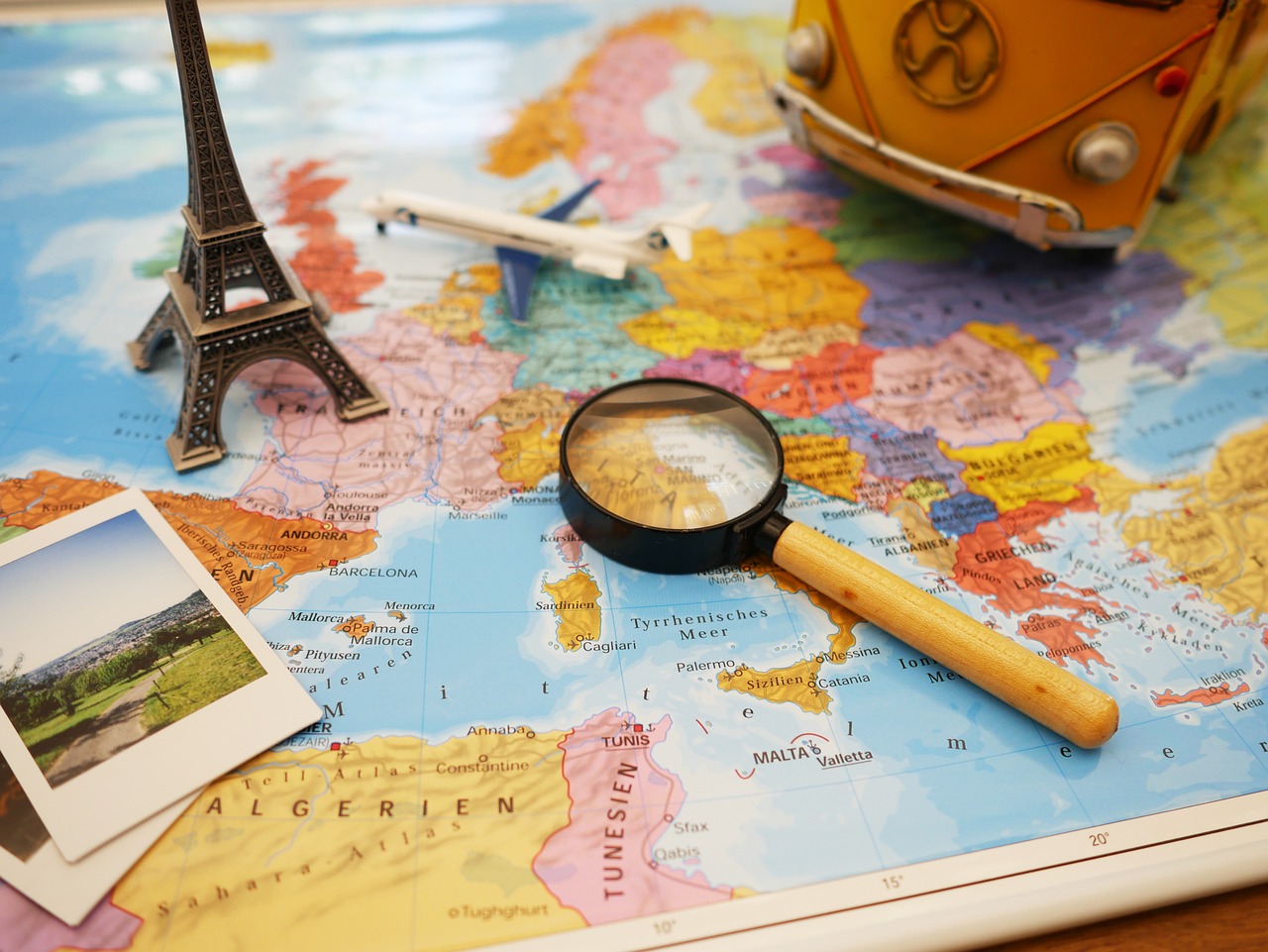
Once you've chosen a destination, structure your itinerary around the sound you want to experience:
- Morning: Start with sunrise sounds - the chirping of early birds or the call to prayer in a mosque.
- Midday: Head to bustling markets or street festivals where music and chatter blend.
- Evening: Capture sunset sounds, like waves lapping a shore or a choir singing in a cathedral.
- Night: End with the quiet of a remote location, perhaps a mountain ridge or a quiet beach.
Remember to mix active listening (walking tours, guided sound walks) with passive listening (recording your own audio diary).
Practical Tips for the Sound Traveler
- Carry Quality Audio Gear - a lightweight recorder or a smartphone with a good mic can capture details that others miss.
- Respect Quiet Spaces - keep volume low in temples, monasteries, or wildlife reserves.
- Use Headphones Wisely - they allow you to immerse without disturbing others.
- Document Your Journey - note the time, location, and context of each recording for future reference.
- Share Your Sounds - upload to platforms like SoundCloud or create a travel podcast to inspire others.
Common Questions About Sound Travel
- Can I travel with my own audio equipment? Yes, but ensure it's lightweight and battery - efficient.
- How do I find local sound guides? Ask at your hotel, visit local visitor centers, or search online for "audio tours" in the city.
- What if a place is too noisy? Look for quieter neighborhoods, early morning visits, or use noise - canceling headphones.
- Is sound travel safe? Always be aware of your surroundings; keep your recorder in a secure pocket.
Conclusion: Let Sound Be Your Travel Compass
When you let sound lead your way, every journey becomes an immersive story. Whether you're chasing the rhythm of a bustling bazaar or the hush of a misty forest, the world's audio tapestry invites you to listen, feel, and remember. Next time you plan a trip, think beyond sights - let the world's sounds guide your exploration.
✓ Fact - checked by 72VIRGIN AINov 6, 2026