
Introduction

Every adult in 2026 has a credit card tucked away in a wallet, a phone, or a digital wallet app. The allure of instant purchase power, rewards points, and a safety net in emergencies is undeniable. Yet the same card can also become a source of hidden fees, high - interest debt, and a slippery slope toward financial stress. Understanding the truth about credit cards is the first step toward turning them into an ally, not an adversary.
Common Myths That Keep You in the Dark
- Myth 1: Credit cards are free money. In reality, the "free" cash comes with a cost - interest, fees, and potential damage to your credit score.
- Myth 2: I can never owe more than my balance. Late payments or balance transfers can trigger penalties that push your debt higher.
- Myth 3: Rewards are always worth it. Some rewards programs come with high annual fees or limited redemption options that can negate the benefits.
How Credit Cards Work Behind the Scenes
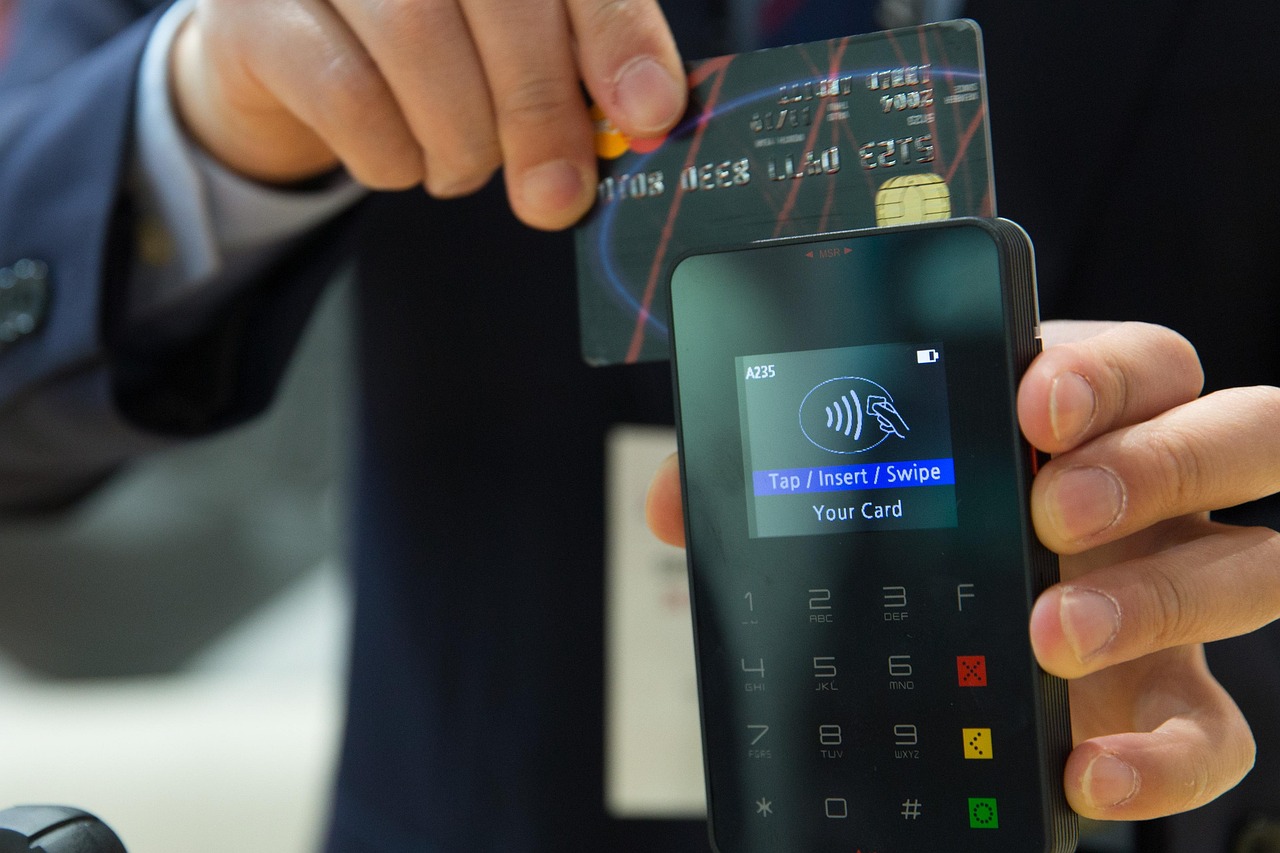
At the core, a credit card is a line of credit from a bank or credit union. When you make a purchase, the issuer pays the merchant on your behalf, and you owe the issuer back. The issuer then collects a fee from the merchant (the merchant discount rate) and charges you interest if you don't pay the balance in full by the due date.
Hidden Fees That Can Add Up Fast
- Annual Fee: Some cards charge a yearly fee ranging from $0 to $500 for premium perks.
- Late Payment Fee: A $35 - $55 charge if you miss the payment deadline.
- Cash Advance Fee: 3 - 5% of the cash amount plus immediate interest.
- Foreign Transaction Fee: 1 - 3% of the purchase when you shop abroad.
- Balance Transfer Fee: 3 - 5% of the amount moved to a new card.
Impact on Your Credit Score
Credit cards are powerful tools for building credit, but they can also damage it if misused. Here's how:
- Credit Utilization: Keeping balances below 30% of your limit keeps your score healthy.
- Payment History: Late payments can stay on your record for up to seven years.
- New Applications: Multiple hard inquiries in a short period can temporarily lower your score.
Rewards Programs: Worth the Hype?
Rewards come in three main flavors: cashback, travel points, and airline miles. Each has its own set of rules and redemptions.
- Cashback: Straightforward - usually 1 - 5% back on purchases.
- Travel Points: Earned per dollar spent, redeemable for flights, hotels, or experiences.
- Airline Miles: Earned with specific carriers, often with transfer partners.
Before you sign up, compare the rewards rate to any annual fee and check redemption flexibility. A high reward rate can be meaningless if you can't use the points or if the terms are restrictive.
Choosing the Right Card for Your Lifestyle
There's no one - size - fits - all. Ask yourself these questions:
- What's my spending pattern - daily groceries, travel, or large purchases?
- Do I pay the full balance each month?
- Am I comfortable with a high credit limit or would I prefer a lower one to limit risk?
Use online comparison tools, read the fine print, and consider starting with a secured card if you're building credit.
Managing Credit Card Debt Like a Pro
Once you have a card, keep it under control with these strategies:
- Pay on Time, Every Time: Set up auto - pay for at least the minimum to avoid late fees.
- Pay in Full: If possible, clear the balance each month to avoid interest.
- Set a Budget: Allocate a fixed amount for discretionary spending.
- Monitor Statements: Spot unauthorized charges early.
Protecting Yourself from Fraud in 2026
Digital wallets, contactless payments, and mobile banking make fraud more sophisticated. Here's what to do:
- Enable two - factor authentication on all banking apps.
- Use virtual card numbers for online purchases.
- Keep your device's operating system up to date.
- Report lost or stolen cards immediately.
Future Trends: What's Next for Credit Cards?
By 2027, credit cards will continue to evolve. Expect:
- Greater integration with blockchain for instant, secure transactions.
- AI - driven fraud detection that learns your spending habits.
- Dynamic rewards that adjust based on your behavior.
Staying informed will help you adapt to these changes and keep your credit health in check.