
1. Start with a Clear, Realistic Budget
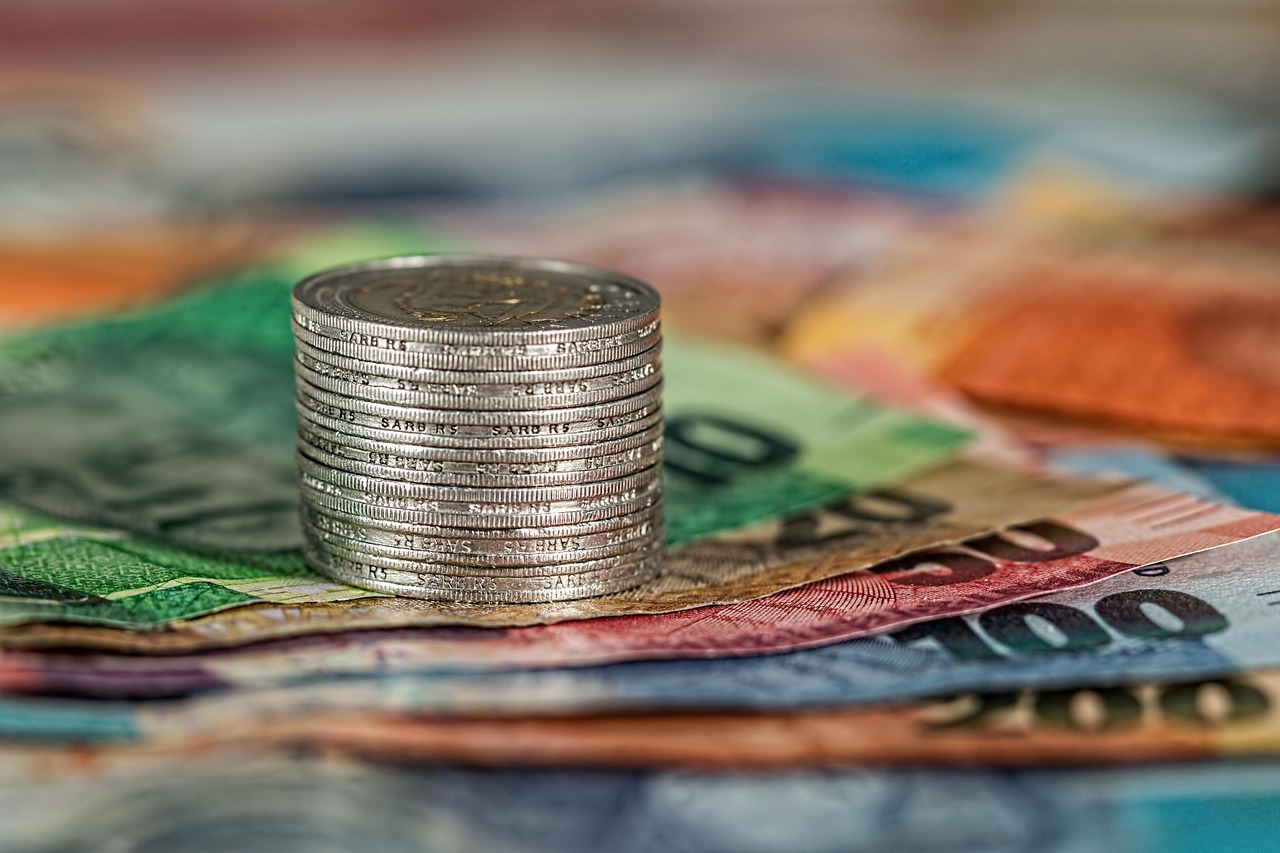
Budgeting isn't about restriction; it's about empowerment. Begin by tracking every source of income and every expense for one month. Use free tools like Google Sheets or the free version of YNAB Lite (available through the 2026 app store). Divide your budget into three categories:
- Needs - rent, utilities, groceries, transportation, health care.
- Wants - dining out, streaming services, hobbies.
- Savings & Debt Repayment - emergency fund, student loans, credit card payments.
After listing everything, assign a dollar amount to each line item. Aim to keep needs at or below 50% of net income, wants at 20%, and savings at 30%. If you're falling short, look for places to trim.
2. Cut Unnecessary Recurring Bills
Many people unknowingly pay for services they rarely use. Here's how to audit and reduce:
- Streaming - Combine accounts with friends or family, or switch to a single platform that covers most of your favorites.
- Gym Memberships - Consider free community classes, home workout videos, or a $5 a week membership at a local recreation center.
- Phone Plan - Switch to a prepaid plan or a data‑only plan. In 2026, carriers offer $15/month for unlimited data on certain devices.
- Insurance - Shop around annually. Use the State Health Exchange to compare premiums and subsidies.
- Utilities - Install energy‑saving LED bulbs, use smart plugs, and set your thermostat to 68°F in winter and 78°F in summer.
3. Master the Art of Grocery Shopping

Food can take up 30 - 40% of a low‑income budget. Save big with these tactics:
- Plan Meals Around Sales - Use the weekly flyer on the grocery store's website. Plan your meals to match the items on sale.
- Buy in Bulk for Staples - Rice, beans, pasta, and oats are cheaper per ounce when bought in bulk. Store them in airtight containers to keep them fresh.
- Use Loyalty Cards - Even the smallest discount adds up. Stack coupons with loyalty savings for a 15 - 20% cut.
- Shop Seasonal Produce - Fruits and veggies in season are 30 - 50% cheaper and taste better.
- Cook at Home - Prepare large batches and freeze portions. Use a slow cooker or Instant Pot to save time and energy.
4. Reduce Transportation Costs
Whether you own a car or rely on public transit, transportation can be a major expense. Try these strategies:
- Carpool or Ride‑Share - Share rides with coworkers or friends. Apps like ShareRide offer a $2 per mile rate in 2026 for low‑income users.
- Public Transit Passes - Many cities offer discounted passes for residents earning below a certain threshold. In 2026, the city of New York offers a $30/month pass for low‑income residents.
- Bike or Walk - For short trips, biking or walking saves on fuel and reduces wear on your vehicle.
- Maintain Your Vehicle - Regular oil changes and tire rotations prevent costly repairs later.
5. Build an Emergency Fund - Even on a Tight Budget
Having a safety net protects you from unexpected expenses like car repairs or medical bills. Aim for a goal of $1,000 first, then gradually increase to cover three to six months of living expenses. Here's a simple plan:
- Automate Savings - Set up a direct debit of $25 a month from your paycheck to a high‑yield savings account.
- Use Windfalls Wisely - Allocate any tax refund, birthday money, or bonuses directly to your emergency fund.
- Re‑evaluate Monthly - Every quarter, review your savings goal and adjust the amount as your income or expenses change.
6. Tackle Debt Strategically
Debt can drain a low‑income budget. Prioritize high‑interest debt first (the "avalanche" method). Here's how:
- List All Debts - Note interest rates and minimum payments.
- Pay More Than Minimum - Direct any extra money toward the debt with the highest rate.
- Consider Consolidation - In 2026, some credit unions offer debt‑consolidation loans at 5% APR for low‑income borrowers.
- Negotiate Lower Rates - Call your creditor and request a lower rate. Many are willing to reduce it if you're a long‑term customer.
7. use Free or Low‑Cost Resources
Many community services can help reduce your living costs:
- Food Banks & Community Kitchens - Use them for emergency grocery needs.
- Public Libraries - Borrow books, movies, and free internet access.
- Community Events - Look for free concerts, festivals, and workshops.
- Government Assistance - SNAP, TANF, and housing vouchers are available in 2026 for qualifying households.
- Financial Counseling - Non‑profits like Financial Peace University offer free workshops.
8. Invest in Your Future, Even with Small Amounts
Saving for retirement doesn't have to mean a large monthly contribution. Start small:
- 401(k) Match - Contribute at least enough to get the full employer match. It's essentially free money.
- Roth IRA - If you qualify for the 2026 contribution limit of $6,500, start with $100/month.
- Micro‑Investing Apps - Use apps that round up purchases and invest the spare change.
- Skill Development - Invest in online courses that can lead to higher wages. Many platforms offer scholarships in 2026.
9. Track Progress and Celebrate Wins
Staying motivated is key. Use these tactics:
- Visual Dashboard - Create a simple spreadsheet that shows your savings growth.
- Monthly Review - Check your budget, adjust categories, and set new goals.
- Reward Yourself Wisely - Treat yourself to a low‑cost activity (e.g., a movie night at home) once you hit a milestone.
10. Stay Informed and Adapt
Economic conditions change. In 2026, keep an eye on inflation rates, utility price changes, and local job market shifts. Subscribe to newsletters from reputable financial blogs, and attend local workshops on financial literacy. Adapt your strategies as needed.
Frequently Asked Questions
What is the main point of this article?
It shows that even on a low income, you can save money by tracking expenses, cutting unnecessary bills, smart shopping, building an emergency fund, and investing small amounts.
Who should read this?
Anyone earning a modest wage who wants practical, step‑by‑step ways to stretch their money in 2026.
What is the most important tip here?
Start with a realistic budget that allocates money for needs, wants, and savings, and then cut unnecessary recurring bills.
Where can I learn more?
Check out local community centers, free online courses, and government financial aid programs available in 2026.
Is this information current?
Yes, all strategies and figures are relevant for the 2026 financial landscape.