
From Cocoa Bean to Chocolate Bar: The Sweet Journey Begins
Chocolate is more than a treat; it's a cultural icon, a symbol of celebration, and a global industry that spans continents. Every bite you enjoy has traveled a long way - from a tropical seed in West Africa to a sleek, melted bar in your kitchen. Understanding this journey not only deepens appreciation but also empowers you to choose chocolate that's both delicious and responsibly sourced.
What Is Cocoa?
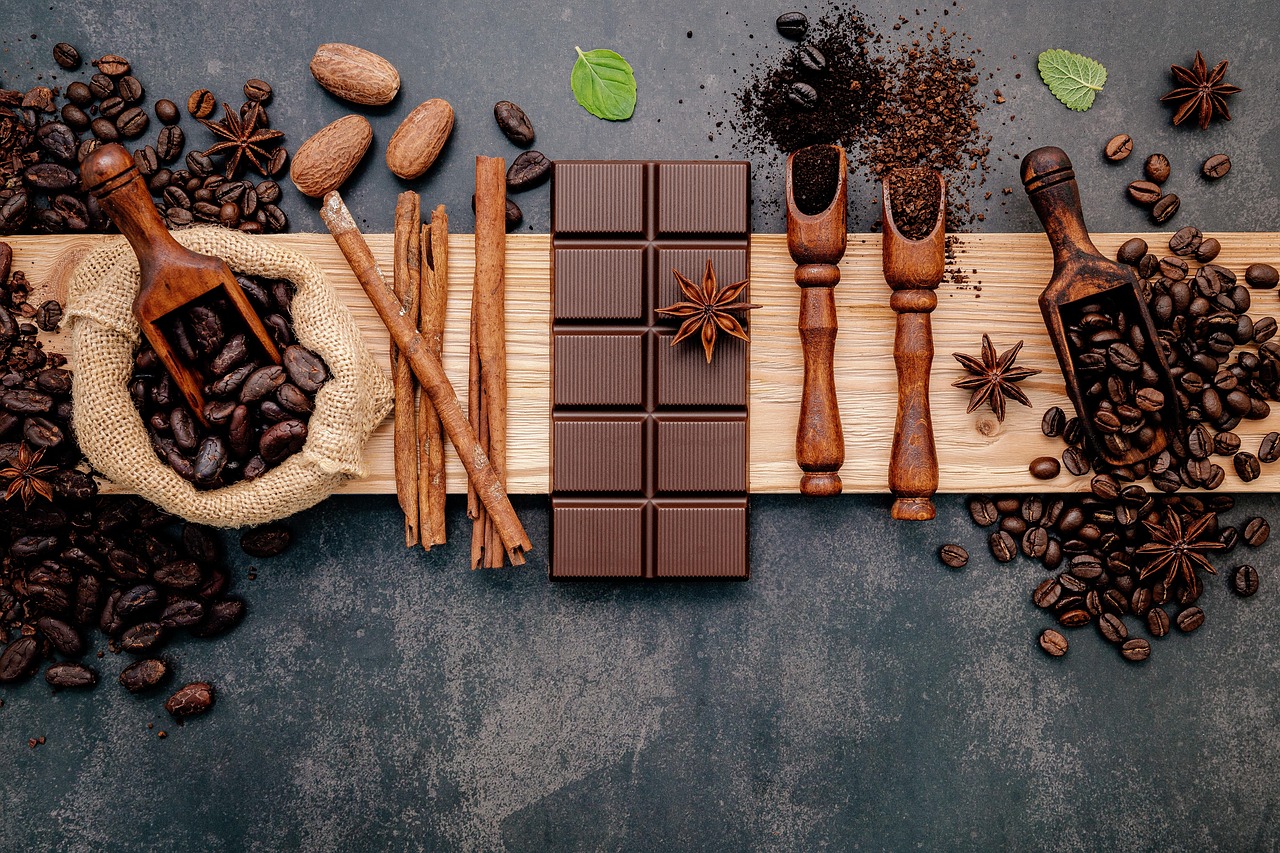
At its core, chocolate originates from the seeds of the cacao tree (Theobroma cacao), a plant that thrives in the humid rainforests of the equatorial belt. The beans inside the cacao pods are the foundation of all chocolate products. They contain two main components: cocoa solids (which give flavor and color) and cocoa butter (the natural fat that creates a silky mouthfeel).
The Journey of the Cocoa Bean
1. Harvesting: Cocoa pods are hand‑picked at the peak of ripeness, usually once a month. Farmers carefully open each pod to retrieve the beans and the surrounding mucilage.
2. Fermentation: Fresh beans are placed in shallow trays or banana leaves and left to ferment for 5 - 7 days. This process develops the complex flavors and reduces bitterness.
3. Drying: After fermentation, beans are spread in the sun or on drying racks until they reach the right moisture level. Proper drying prevents mold and preserves quality.
From Bean to Cocoa Mass: Processing Steps

Once dried, the beans go through a series of transformations that turn them into chocolate.
- Roasting: Roasting enhances aroma and softens the beans. The temperature and duration are carefully controlled to balance flavor development.
- Cracking & Winnowing: Roasted beans are cracked, and the outer shells are removed (winnowed). What remains is the cacao nib.
- Grinding: Nibs are ground into a paste called cocoa mass or cocoa liquor. This paste contains both cocoa solids and cocoa butter.
The Art of Conching and Tempering
Chocolate's silky texture is achieved through two important steps:
- Conching: The chocolate mixture is continuously stirred and aerated at controlled temperatures for hours or days. Conching smooths the chocolate, reduces acidity, and improves flavor stability.
- Tempering: After conching, the chocolate is cooled and gently reheated to precise temperatures. This process aligns cocoa butter crystals, giving chocolate a glossy finish, a satisfying snap, and a smooth melt.
Common Questions About Chocolate Production
- What's the difference between dark, milk, and white chocolate? Dark chocolate contains cocoa solids and cocoa butter but no added milk. Milk chocolate adds milk powder or liquid, and white chocolate uses cocoa butter, sugar, and milk but no cocoa solids.
- How does cacao percentage affect flavor? Higher cacao percentages mean more cocoa solids, leading to richer, more bitter flavors. Lower percentages yield sweeter, milder profiles.
- Why do some chocolates melt quickly while others don't? Proper tempering and cocoa butter content ensure a stable crystal structure. Cheaper chocolates often skip tempering, causing a soft melt.
Practical Tips for Home Chocolate Lovers
- Read Labels: Look for terms like "single origin," "100% cacao," or "fair trade." These indicate quality and ethical sourcing.
- Try Small Batches: Small‑batch artisanal chocolates often showcase unique flavor profiles and support local artisans.
- Make Your Own: With a basic chocolate maker or a simple home recipe, you can melt and temper chocolate at home for custom flavors.
- Pair Wisely: Dark chocolate pairs well with red wine, coffee, or nuts, while milk chocolate complements fruit and caramel.
Sustainability and Ethical Sourcing
The cocoa industry faces challenges like deforestation, child labor, and price volatility. Consumers can help by:
- Choosing certified fair‑trade or Rainforest Alliance products.
- Supporting direct trade brands that pay farmers a living wage.
- Educating themselves about the entire supply chain, from farm to factory.
Conclusion: A Bite of History and Hope
From the tropical farms of West Africa to the sophisticated kitchens of chocolatiers, each chocolate bar carries stories of farmers, artisans, and innovators. By understanding its journey, you can savor chocolate with confidence, knowing it's not just a sweet indulgence but a sign of sustainable progress and culinary artistry.