
Intro: Why Spices Matter
Spices are more than just a sprinkle of color - they're the flavor engine of a dish. Whether you're simmering a hearty stew or whisking a quick vinaigrette, the right spice can turn a simple plate into a memorable experience. In this guide, we'll walk through the essentials: what spices do, how to choose and store them, and practical tips for pairing and cooking with them.
Understanding Spices: A Quick Primer
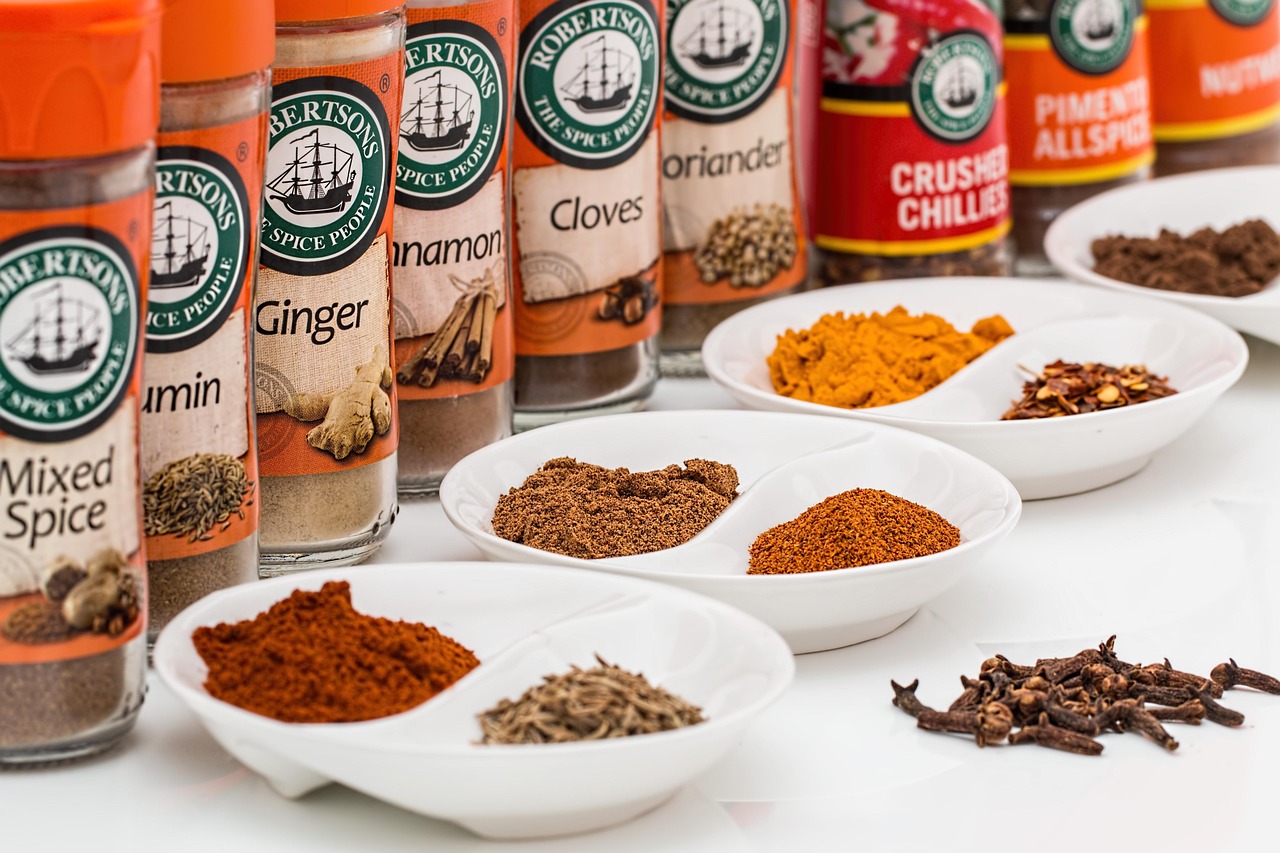
Spices come from seeds, bark, roots, or fruits. Unlike herbs, which are the leaves of plants, spices add depth, aroma, and color. They're often dried and ground, but whole spices can be toasted or crushed for a fresher burst of flavor.
Build Your Essential Spice Pantry
Start with these staples that cover a wide range of cuisines:
- Black Pepper - the universal base for savory dishes.
- Cumin - earthy, nutty; great in curries, stews, and Mexican dishes.
- Paprika - sweet or smoked; adds color and mild heat.
- Turmeric - bright yellow, earthy; a must for Indian and Middle Eastern recipes.
- Cinnamon - sweet, woody; works in both sweet and savory.
- Cloves - warm, slightly bitter; perfect for marinades and baked goods.
- Cardamom - floral, citrusy; a staple in Scandinavian and Indian sweets.
- Oregano - strong, slightly bitter; essential for Mediterranean dishes.
- Bay Leaves - subtle, herbal; a long‑cooking secret for soups and braises.
- Garlic Powder - convenient for quick seasoning.
Feel free to add regional favorites as you explore. Keep them in a cool, dark place to preserve aroma.
Pairing Spices With Foods
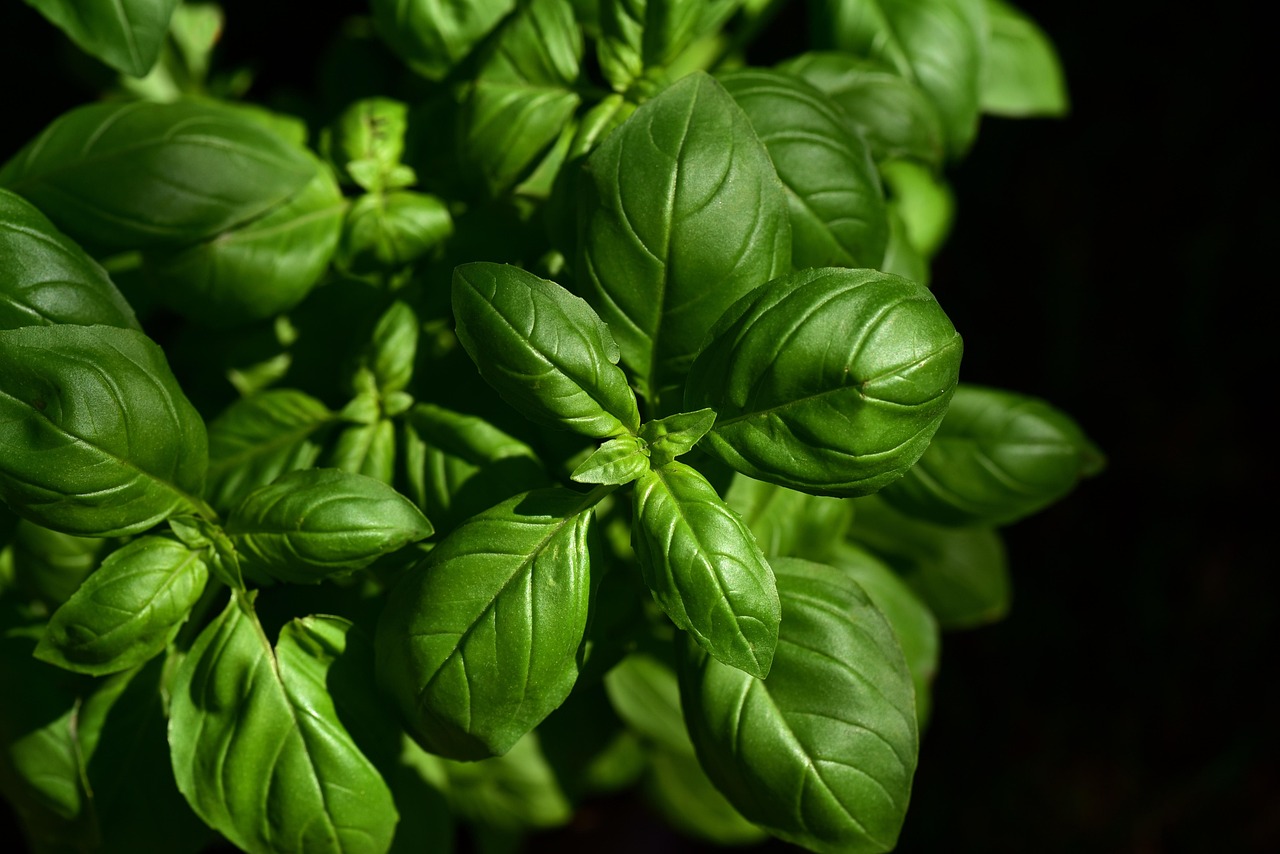
Good flavor harmony comes from understanding how spices interact. Here's a quick cheat sheet:
- Red meats - pair with cumin, smoked paprika, or peppercorns.
- White meats (chicken, fish) - go for lemon pepper, dill, or coriander.
- Vegetables - thyme, rosemary, or a pinch of cinnamon for root veggies.
- Legumes - cumin, coriander, and bay leaves bring depth.
- Rice & grains - turmeric, cardamom, or a touch of saffron.
- Desserts - cinnamon, nutmeg, or a sprinkle of cardamom.
Rule of thumb: match the spice's intensity to the main ingredient. If in doubt, start small and build.
Cooking Techniques That Unlock Spice Potential
How you introduce spices can change the entire dish:
- Dry Toasting - heat a pinch of whole spices in a dry pan until fragrant. This releases essential oils.
- Sautéing With Oil - add spices to hot oil to create a flavored base.
- Steeping - let spices sit in hot liquid (broth, milk, or water) before adding the main ingredients.
- Grinding Fresh - freshly ground pepper or nutmeg tastes far brighter than pre‑ground.
- Final Touch - sprinkle fresh herbs or spice powders at the end to preserve aroma.
Storing Spices for Maximum Freshness
Spices lose potency quickly if exposed to heat, light, or air. Keep them in airtight containers, away from the stove and windows. Whole spices can last 3 - 4 years; ground spices are best used within 6 - 12 months.
Practical Spice Recipes to Try
Let's put theory into practice with two simple dishes that showcase spice fundamentals.
1. One‑Pan Spiced Chicken & Vegetables
Ingredients:
- 4 chicken thighs, skin‑on
- 1 tbsp olive oil
- 1 tsp cumin
- 1 tsp smoked paprika
- ½ tsp garlic powder
- Salt & pepper to taste
- 2 cups mixed veggies (carrots, bell peppers, onions)
- 1 cup chicken broth
Instructions:
- Preheat oven to 400°F.
- In a bowl, toss chicken with oil, cumin, paprika, garlic powder, salt, and pepper.
- Place chicken and veggies in a baking dish. Pour broth around.
- Bake 35‑40 minutes, until chicken is cooked and veggies are tender.
Result: A smoky, aromatic meal that's ready in one pan.
2. Simple Turmeric Rice
Ingredients:
- 1 cup basmati rice
- 2 cups water
- 1 tsp turmeric
- ½ tsp cumin seeds
- Salt to taste
- 1 tbsp butter or oil
Instructions:
- Rinse rice until water runs clear.
- In a saucepan, melt butter, add cumin seeds until fragrant.
- Add rice and toast for 2 minutes.
- Stir in turmeric, water, and salt.
- Bring to a boil, then simmer, covered, for 15 minutes.
- Fluff with a fork before serving.
Result: Bright yellow, fluffy rice that pairs with almost anything.
Common Questions About Cooking With Spices
- How much spice should I use? Start with ¼ - ½ tsp for small dishes and adjust to taste. It's easier to add more than to fix an over‑spiced dish.
- Can I substitute one spice for another? Yes, but keep flavor profiles in mind. For example, if you lack cumin, coriander or smoked paprika can provide a similar earthiness.
- What's the difference between whole and ground spices? Whole spices release flavor slowly and are great for long‑simmering. Ground spices infuse quickly, ideal for quick sautés.
- How do I avoid burning spices? Add spices to a hot, but not scorching, pan. If they start to darken too fast, lower the heat.
Conclusion: Spice Up Your Kitchen
Spices are the secret sauce of culinary creativity. With a solid pantry, a few smart techniques, and a willingness to experiment, you can transform everyday meals into flavorful adventures. Grab a spice jar, read the label, and start seasoning your way to deliciousness.