
The Piano: A Pillar of Classical Music
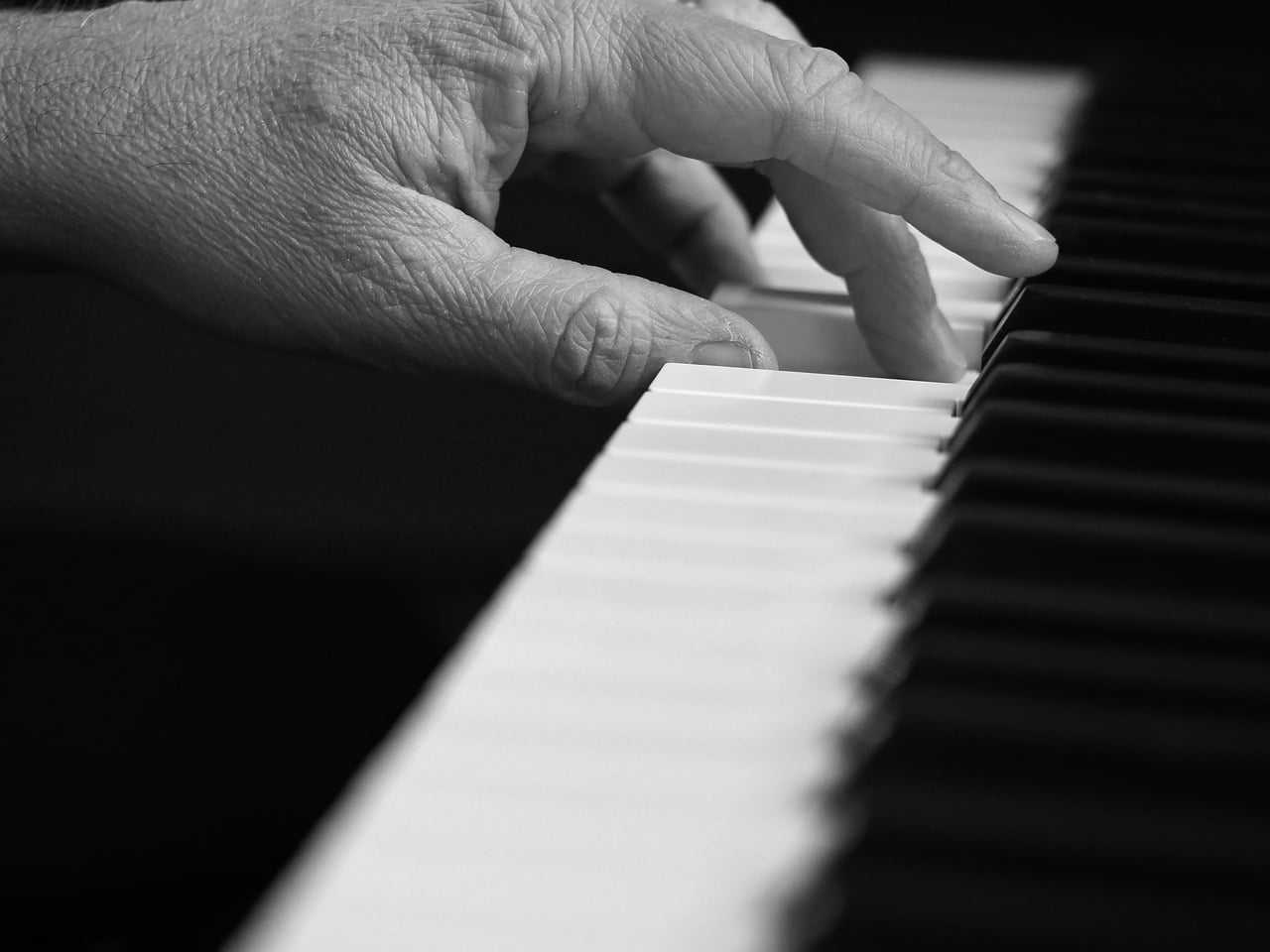
When we think of classical music, images of soaring orchestras, delicate string quartets, and resonant choirs often come to mind. Yet, tucked within these grand images is an instrument that has quietly, yet profoundly, shaped the entire genre: the piano. Its versatility, expressive range, and evolving role have made it a cornerstone of classical composition, performance, and pedagogy.
Early Beginnings: From Clavichord to Modern Piano
Before the piano, composers and performers relied on keyboard instruments like the clavichord and harpsichord. These predecessors offered limited dynamic control, which constrained composers' expressive possibilities. The invention of the fortepiano in the late 18th century by Bartolomeo Cristofori introduced the ability to play both loud and soft, a feature that would change Western music.
As the fortepiano evolved, its range, resonance, and mechanics expanded, allowing composers to write more complex and emotionally rich pieces. By the early 19th century, the modern piano - characterized by a strong iron frame, powerful hammer action, and a vast dynamic spectrum - was firmly established, providing a new canvas for composers.
The Evolution of the Piano: From Classical to Romantic
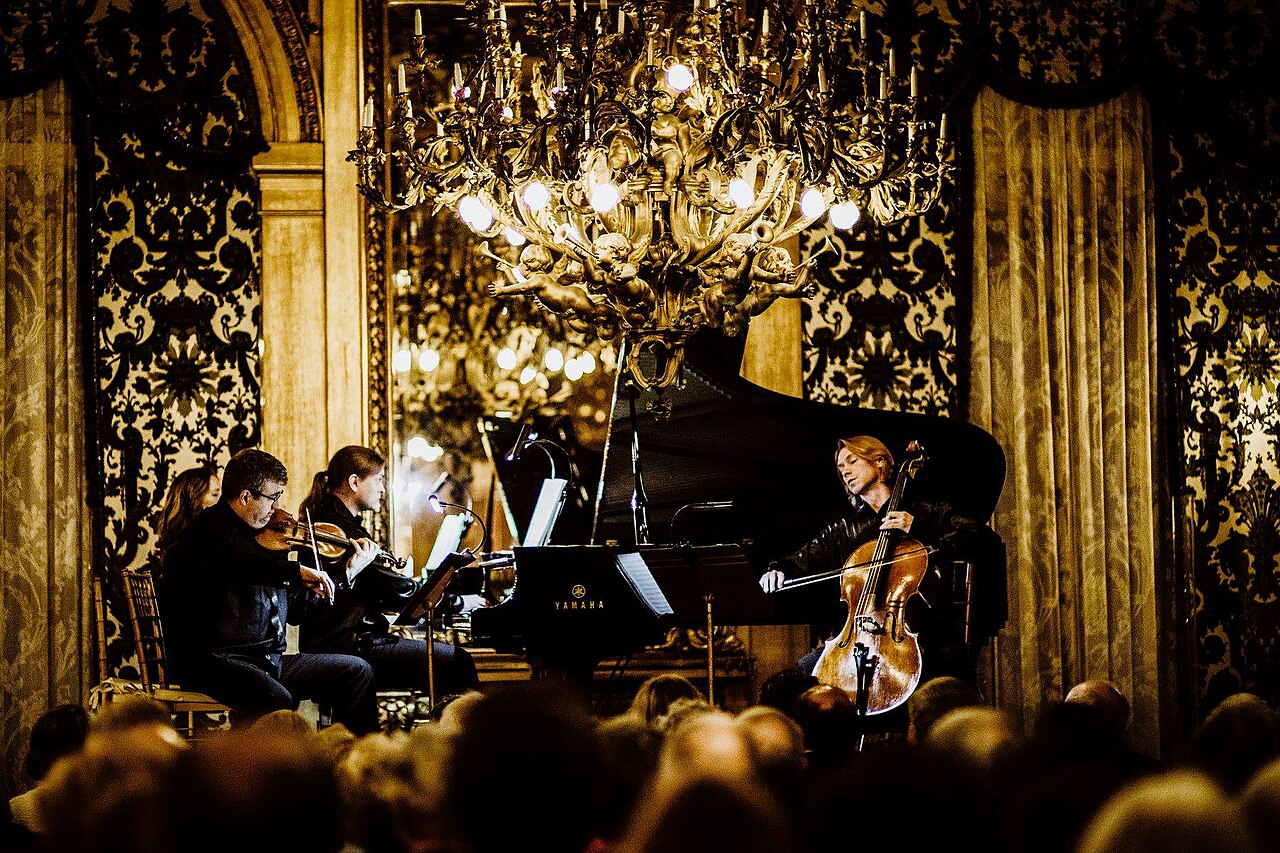
- Classical Era (1750 - 1820): Mozart and Haydn used the piano to explore balanced forms and clear melodic lines.
- Early Romantic (1800 - 1850): Beethoven and Schubert expanded harmonic language and introduced greater emotional depth.
- Late Romantic (1850 - 1900): Chopin, Liszt, and Schumann pushed technical boundaries, creating virtuosic showpieces.
- Modern Period (1900 - Present): Debussy, Ravel, and contemporary composers continue to explore new timbres and structures.
Key Composers and Their Masterpieces
Below are some landmark piano works that illustrate the instrument's evolving role:
- Wolfgang Amadeus Mozart: "Piano Sonata No. 16 in C Major" - showcases clarity and classical form.
- Ludwig van Beethoven: "Piano Sonata No. 14 'Moonlight'" - blends lyrical melody with dramatic contrast.
- Frédéric Chopin: "Nocturnes" - exemplify the piano's capacity for nuanced expression.
- Claude Debussy: "Clair de Lune" - introduces impressionistic color and subtle dynamics.
- Franz Liszt: "Transcendental Etudes" - push technical limits to new heights.
Piano as a Solo Instrument
The piano's solo repertoire offers a unique blend of melodic, harmonic, and rhythmic possibilities. Unlike other instruments, the pianist can simultaneously play the melody, harmony, and accompaniment, creating a self - contained musical universe. This self - sufficiency has led to:
- Virtuosic Showpieces: Pieces that challenge technical skill while engaging the audience.
- Expressive Lyricism: Works that focus on tone color and phrasing.
- Programmatic Narratives: Music that tells stories or paints scenes.
Piano in Chamber and Orchestral Settings
While the piano shines as a solo instrument, its role in ensembles is equally vital. In chamber music, the piano often serves as a harmonic anchor and rhythmic driver. In orchestral contexts, the piano can either double orchestral parts, provide contrast, or act as a soloist within a concerto.
- Chamber Music: Piano trios, quartets, and quintets rely on the piano's harmonic depth.
- Concertos: Mozart's "Piano Concerto No. 21" and Ravel's "Piano Concerto in G" exemplify the dialogue between soloist and orchestra.
- Orchestral Works: Beethoven's "Symphony No. 7" features a piano solo that bridges the orchestra and the audience.
Modern Classical Piano Techniques
Contemporary composers and performers continue to expand piano technique. Innovations include:
- Extended Techniques: Using the piano's strings, pedals, and even the instrument's body to create new sounds.
- Prepared Piano: Placing objects on or between strings to alter timbre, pioneered by John Cage.
- Digital Integration: Combining acoustic piano with electronic amplification and looping for live performance.
Practical Tips for Classical Piano Students
Whether you're a beginner or a seasoned pianist, understanding the piano's classical heritage can inform your practice. Here are actionable steps:
- Study the Classics: Listen to recordings of Mozart, Beethoven, Chopin, and Debussy to internalize stylistic nuances.
- Focus on Touch: The piano's dynamic range depends on finger weight and release; practice scales with varied dynamics.
- Master Pedal Usage: The sustain pedal can add warmth, but overuse leads to muddiness; learn to blend with half‑pedal techniques.
- Analyze Scores: Study the score's phrasing marks, dynamics, and articulations to grasp the composer's intentions.
- Record Yourself: Listening back reveals subtle timing and tonal issues that are hard to catch in the moment.
Conclusion: The Piano's Enduring Legacy
The piano's journey from a modest harpsichord replacement to a symbol of musical freedom mirrors the evolution of classical music itself. Its ability to convey complex emotions, support ensembles, and push technical boundaries ensures its continued relevance. For students, performers, and listeners alike, the piano remains a timeless gateway to the soul of classical artistry.
Frequently Asked Questions
What is the main point of this article?
The article explores how the piano has shaped classical music across history, highlighting its evolution, key composers, ensemble roles, and practical insights for students.
Who should read this?
Piano students, music lovers, and anyone curious about the instrument's impact on classical repertoire will find valuable information.
What is the most important tip here?
Listening to master recordings and studying the score's markings help internalize stylistic nuances and improve expressive playing.
Where can I learn more?
Explore reputable music libraries, online masterclasses, and recordings by renowned pianists for deeper insight.
Is this information current?
Yes, the article reflects the piano's enduring role and contemporary techniques in classical music.