
The Ancient Roots of the Guitar

Long before the electric buzz of a modern rock star, the guitar's lineage can be traced back thousands of years to simple, hand‑plucked instruments that dotted the ancient world. Archaeological finds reveal bone and wooden strings stretched across frames, producing resonant tones that were as much a part of daily life as storytelling and ritual.
These early ancestors - often called "lutes" or "bowed zithers" - shared several core features that would later define the guitar: a vibrating string, a resonant body, and a neck or handle for fretting. The Greeks, Romans, and Egyptians all crafted versions of these instruments, each adding subtle design tweaks to suit local musical tastes.
Early Stringed Instruments and the Birth of the Lute
By the 9th and 10th centuries, the lute had become a staple across Europe and the Middle East. Its rounded back, pear‑shaped body, and neck with movable frets made it a flexible platform for a variety of musical styles. Lutes were often plucked with a plectrum or finger, producing a bright, articulate sound that could be heard in courtly halls and bustling markets alike.
- Design: A flat or slightly arched soundboard, a deep resonant cavity, and a neck with frets.
- Materials: Wood (usually spruce or maple), gut or later metal strings, and a pick made of bone, wood, or early synthetic materials.
- Usage: Accompaniment for singers, solo repertoire, and early forms of folk and popular music.
From Lute to Guitar: Key Innovations
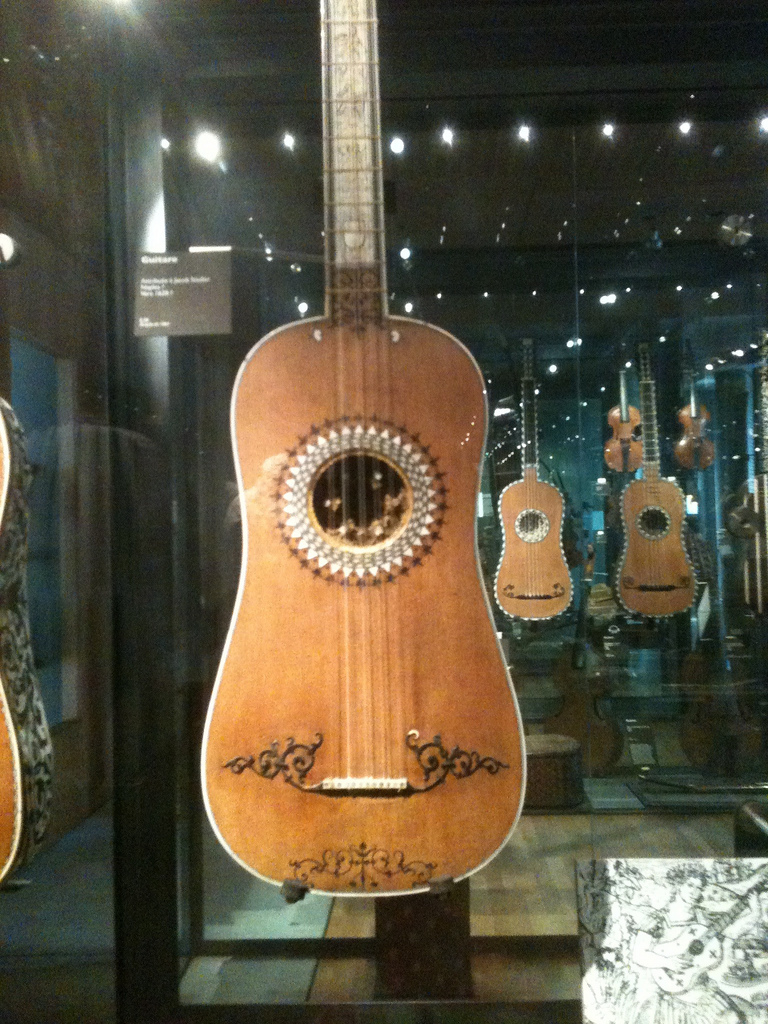
The transformation from lute to guitar was gradual, driven by cultural exchange, technological advancements, and changing musical demands. Several key moments marked this evolution:
- The 12‑String Tradition: In the 13th and 14th centuries, the double‑course lute - essentially a set of paired strings - gave rise to the concept of sympathetic resonance, a feature that would later be integral to the classical guitar.
- Frets and the Neck: The move from movable gut frets to fixed metal or bone frets allowed for more precise intonation, a necessity as music grew more complex.
- Body Shape Refinement: The rounded back evolved into a more contoured, "V" shape, optimizing sound projection and ergonomics.
- String Materials: The introduction of metal and later nylon strings expanded the tonal palette and increased durability.
Spanish Influence and the Classical Guitar
While many cultures contributed to the guitar's lineage, the Spanish craftsmen of the 16th and 17th centuries were instrumental in shaping its modern form. The Spanish "vihuela" and later the "guitar" (as we recognize it today) introduced a standardized six‑string configuration and a distinctive bracing pattern that enhanced resonance.
Key Spanish luthiers such as Antonio de Torres in the 19th century refined the instrument's acoustics through:
- Large, Deep Bodies: Increased volume and richer bass response.
- Ribbed Bracing: Improved structural integrity while allowing the soundboard to vibrate more freely.
- High‑Quality Tonewoods: Use of spruce for the top and maple or rosewood for the back and sides.
Industrial Revolution and Mass Production
The 19th and early 20th centuries brought new manufacturing techniques that made guitars more affordable and accessible. Innovations included:
- Standardized Parts: Mass‑produced necks, tuning pegs, and bridges ensured consistency across instruments.
- Improved Tuning Systems: The adoption of the 12‑tone equal temperament allowed guitars to play in any key with relative ease.
- Case and Packaging: Development of protective cases helped spread the guitar globally.
The Electric Guitar Revolution
The mid‑20th century saw a seismic shift with the advent of electric amplification. Pioneers like Les Paul, Leo Fender, and others introduced pickups - electromagnetic or piezoelectric - that translated string vibrations into electrical signals.
Key milestones:
- Solid‑Body Design: Eliminated feedback and allowed for sustain and sustain.
- Customizable Electronics: Pickups, preamps, and switches let players sculpt their own tones.
- Genre Expansion: From jazz to blues, rock to metal, the electric guitar became a cornerstone of modern music.
Modern Guitar Variants and Their Uses
Today's guitar market is diverse, catering to a wide array of musical needs:
- Acoustic Guitars: Classical, steel‑string, and resonator models for folk, pop, and orchestral settings.
- Electric Guitars: Stratocasters, Telecasters, and Les Pauls for rock, jazz, and experimental genres.
- Hybrid Instruments: Electro‑acoustic guitars that blend natural resonance with amplification.
- Specialty Guitars: 12‑string, baritone, and archtop guitars for niche styles.
For musicians, understanding the guitar's history informs everything from picking techniques to instrument selection. Each design choice - from wood type to body shape - reflects centuries of refinement aimed at delivering expressive, resonant sound.
Practical Tips for Aspiring Guitarists
While the guitar's past is rich, the present offers a treasure trove of learning opportunities:
- Explore Different Sounds: Try acoustic and electric guitars to understand their unique tonal characteristics.
- Learn the Basics of Resonance: Understanding how the body amplifies sound can improve playing technique.
- Study Classical Repertoire: Classical pieces often highlight nuanced dynamics and fingerpicking that enrich your skill set.
- Experiment with Electronics: If you own an electric guitar, tweak pickups and amp settings to hear how small changes affect tone.