
Introduction
The Metric System is the global language of measurement. Whether you're cooking, traveling, or checking your phone's battery life, you're already using metric units - often without even noticing. In this guide we'll demystify the system, show you how it keeps things simple, and give you quick hacks to master it in everyday life.
Where It All Began
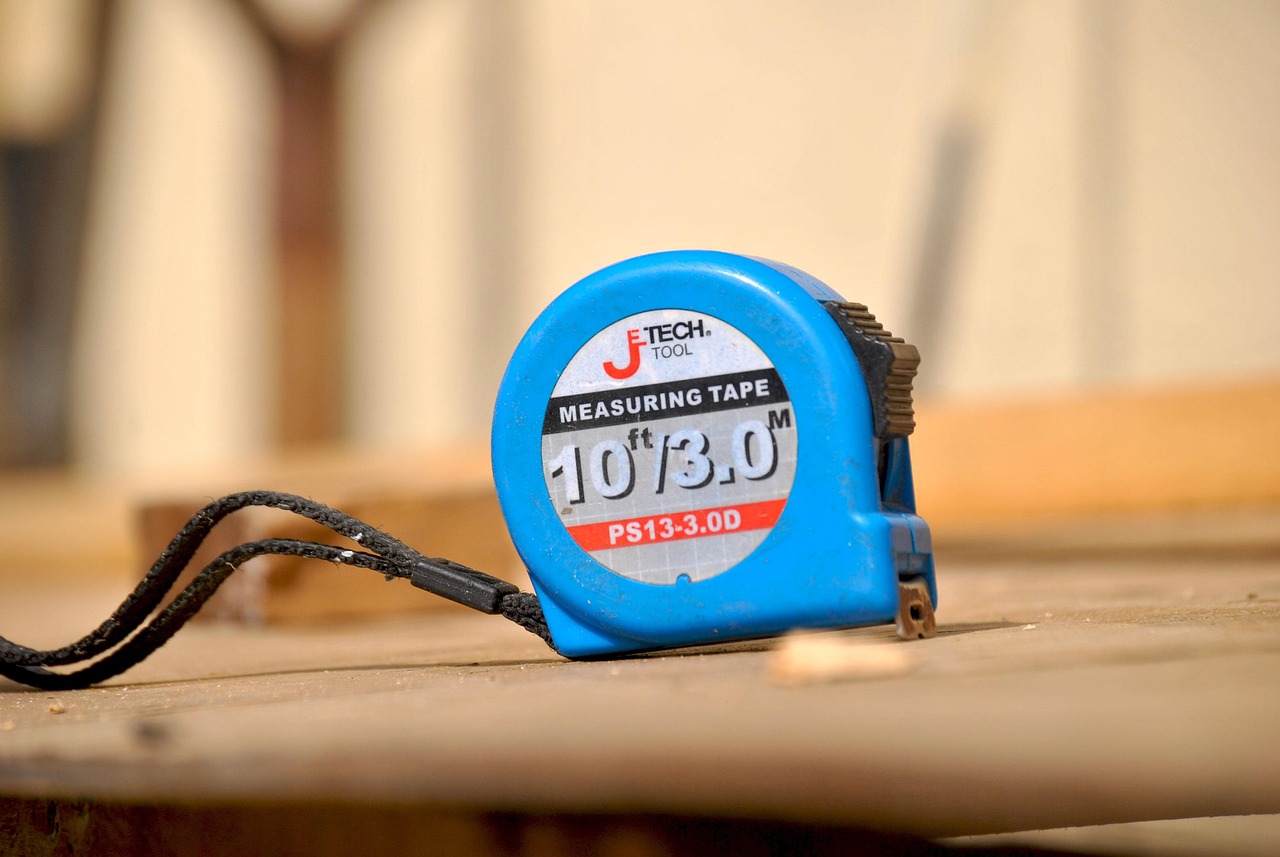
It all started in a time when the world was a patchwork of local units. One farmer's "foot" might be a different length from a trader's. The idea of a universal, rational system caught on in the late 1700s and was officially adopted in many countries by the early 1800s. Today, the International System of Units (SI) is the standard for science, industry, and most daily activities.
Core Units You'll Use All Day
- Length - meter (m). Think of a meter as a typical school ruler. It's the base unit for all other distance measurements.
- Mass - kilogram (kg). A kilogram is roughly the weight of a small watermelon. It's the base unit for weight and mass.
- Time - second (s). A second is the heartbeat of the metric system - everything else is built around it.
- Temperature - kelvin (K). Kelvin is used in science, but you'll see Celsius (°C) for everyday temperatures.
- Volume - liter (L). A liter is about the size of a standard soda can.
Power of Prefixes: Scale Made Simple
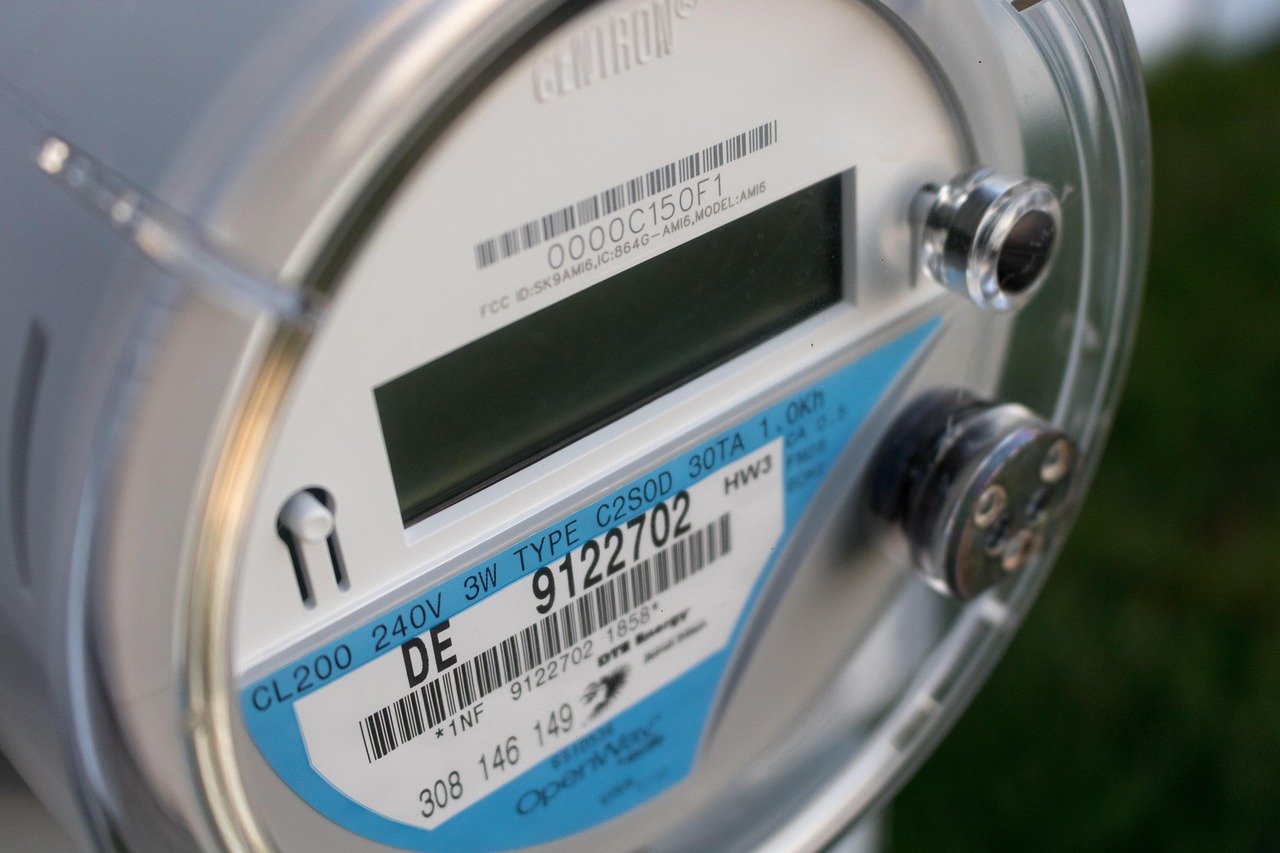
One of the metric system's biggest strengths is its prefixes. They let you jump from the tiniest to the grandest scale with a single letter. Below are the most common ones:
- kilo - (k) - 1,000 times (e.g., kilometer, kilogram)
- hecto - (h) - 100 times (e.g., hectometer)
- deci - (d) - 1/10 (e.g., decimeter)
- centi - (c) - 1/100 (e.g., centimeter)
- milli - (m) - 1/1,000 (e.g., millimeter, milliliter)
- micro - (µ) - 1/1,000,000 (e.g., micrometer)
These prefixes mean you can express 0.001 meters as a millimeter, 2,000 liters as a kiloliter, and so on. It's a clean, predictable system that eliminates confusion.
Practical Everyday Uses
Below are quick examples of how the metric system shows up in your daily routine:
- Cooking - Recipes often list ingredients in grams or milliliters. A 200‑gram bag of flour is a universal measure, no matter where you are.
- Travel - Road signs in most countries use kilometers. If you're on a 120‑km stretch, you'll know exactly how far you've driven.
- Fitness - Running apps display distance in kilometers or miles. Switching to kilometers can make your training data more consistent.
- Technology - Screen sizes are measured in inches, but storage capacity (like 64 GB) is a metric figure.
- Health - Blood pressure is shown in millimeters of mercury (mmHg). A reading of 120/80 mmHg is a global standard.
Common Questions (and Answers)
- Why are we still using miles in some places? Many countries, especially the U.S., have not fully adopted the metric system in everyday life, but the scientific community and most industries use SI units.
- Is there a difference between a kilogram and a pound? Yes. One kilogram equals about 2.2 pounds. Knowing this conversion helps when you read product labels from different countries.
- Can I use metric units for my phone's battery life? Phone specifications often list battery capacity in milliampere‑hours (mAh). A 3,000 mAh battery is roughly a third of a 9,000 mAh battery.
- How do I convert temperature from Celsius to Fahrenheit? Use the formula: °F = (°C × 9/5) + 32. For quick mental math, add 10% of the Celsius value to the Celsius number, then add 30.
- What's the best way to remember the prefixes? Think of the "kilo‑kilo‑kilo" pattern: kilo (1,000), hecto (100), deci (0.1), centi (0.01), milli (0.001). Visualizing a scale ladder helps.
Why the Metric System Matters to You
Adopting metric units can streamline your life. From buying groceries to planning a trip, you'll find that numbers line up more naturally. For students, it's easier to solve equations without unit conversion headaches. For travelers, it means no more guessing how many kilometers to a landmark.
Even if you live in a country that still uses imperial units, having a solid grasp of the metric system gives you a universal toolset. It's the language of science, the backbone of engineering, and the secret to smooth international communication.