
What Is a Time Zone?
A time zone is a region of the globe that uses a single standard time for legal, commercial, and social purposes. Think of it as a slice of Earth where the clock reads the same. Time zones were created so that local noon - when the sun is highest - matches the standard time for that region.
Why Do We Have Time Zones?

Before the 19th century, time was a local affair: a town's clock would run on the position of the sun. As railways and telegraphs expanded, coordinating schedules across long distances became a nightmare. Time zones solve this by establishing a uniform reference point for each region, making it possible to run trains, broadcast programs, and schedule international meetings without confusion.
The History Behind Time Zones
In 1884, delegates at the International Meridian Conference in Washington, D.C., agreed to use Greenwich, England, as the Prime Meridian and to divide the world into 24 zones, each covering 15 degrees of longitude. The idea was simple: the Earth turns 360 degrees in 24 hours, so every 15 degrees represents one hour of time difference.
Not every country accepted the system at once. Some adopted 30‑minute offsets (like India at UTC+5:30) or even 45‑minute ones (such as Nepal at UTC+5:45). Today, most countries follow the 24‑hour grid, with a few exceptions for political or practical reasons.
How Time Zones Are Defined Today
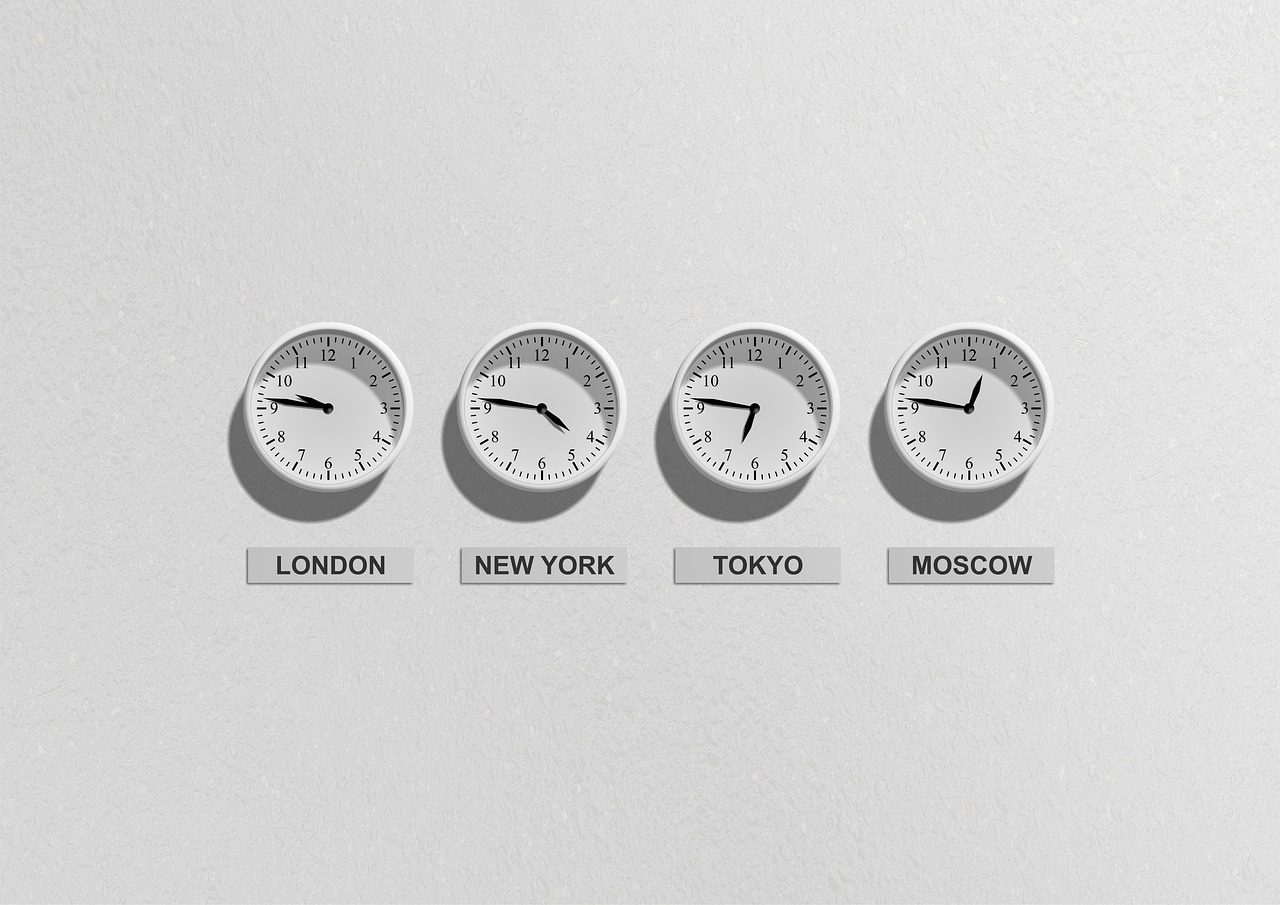
- UTC (Coordinated Universal Time) is the global reference. Every time zone is expressed as an offset from UTC, such as UTC+2 or UTC‑7.
- Standard Time vs. Daylight Saving Time (DST) - Many regions shift their clocks forward one hour in the summer to make better use of daylight. When DST is in effect, the offset changes (e.g., from UTC+1 to UTC+2).
- Political and geographic boundaries - Countries may split their territory into multiple zones (e.g., Russia spans 11), or a single nation may choose a single zone for simplicity.
Daylight Saving Time and Its Impact
DST was originally introduced to save energy and increase daylight hours for outdoor activities. While its benefits are debated, the practice remains widespread. The key takeaway: always double‑check whether DST is active when scheduling across borders. A meeting set for 3 p.m. in New York might shift to 4 p.m. in London if DST has begun in one of those regions.
Common Time Zone Confusion
- UTC vs. GMT - GMT (Greenwich Mean Time) used to be the world's standard but is now a historical term; UTC is the precise reference used today.
- Time Zone abbreviations - Abbreviations like EST (Eastern Standard Time) or PST (Pacific Standard Time) are handy but can be ambiguous. Always verify the offset.
- Multiple zones in a country - Travelers to large nations often assume a single time. For instance, China officially uses UTC+8 nationwide, but the daylight experience varies across its breadth.
Practical Tips for Staying on Schedule
- Use world clock features on smartphones or laptops to keep multiple times in view.
- Set reminders a few hours ahead in your local time to account for timezone differences.
- Confirm time zones in email invitations - include the UTC offset or use "GMT" in the subject line.
- Plan buffer time for international calls, especially when the partner is a day or more behind.
Tools and Resources
Several free resources can help you navigate time zones:
- Timeanddate.com - Offers world clocks, timezone converters, and DST alerts.
- World Time Buddy - Great for comparing multiple time zones in one view.
- Calendar apps like Google Calendar automatically adjust event times based on the participant's location.
FAQs About Time Zones
- Do all countries observe DST? No. Some nations skip DST entirely, while others only observe it in specific regions.
- What happens at the International Date Line? Crossing the line eastward subtracts a day; westward adds a day.
- Can a city change its time zone? Yes, governments can shift a region's time zone for economic or political reasons.
Bottom Line
Time zones are a human - made system that keeps our global society coordinated. By understanding how they're defined, recognizing common pitfalls, and using the right tools, you can avoid scheduling headaches whether you're flying across continents or coordinating a virtual team.