
Introduction
The Indian subcontinent is a living mosaic of cultures, languages, and histories that have evolved over millennia. In just ten minutes, you can glimpse the key chapters that have shaped this vibrant region. Let's journey through time with clarity, curiosity, and a touch of spiritual reflection.
Ancient Foundations
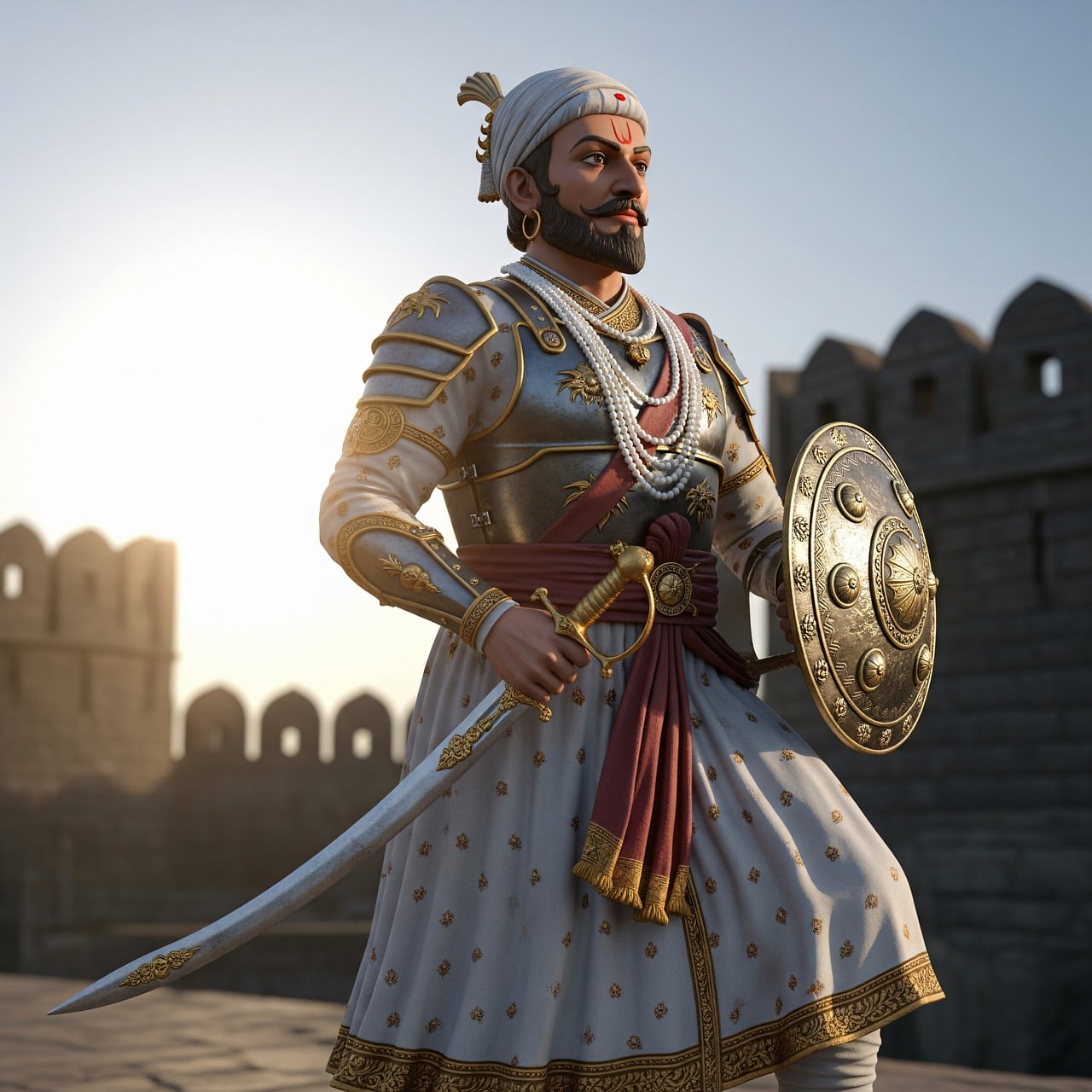
Early human settlements along the Indus River revealed a sophisticated urban culture, known for its advanced drainage, trade, and artistic expression. These communities laid the groundwork for a shared sense of identity that transcended modern borders.
Parallel to the Indus Valley, the fertile plains of the Ganges nurtured a flourishing agrarian society. Shared rituals, myths, and the early development of Sanskrit literature fostered a sense of unity among diverse groups.
The Rise of Empires
Over time, regional powers coalesced into expansive empires, each leaving a unique imprint:
- Vedic Era: Spiritual hymns and philosophical debates shaped societal norms.
- Gupta Dynasty: Often called the Golden Age, it advanced mathematics, astronomy, and the arts.
- Maurya Empire: Unified vast territories under a centralized administration, promoting trade and cultural exchange.
Cultural Flourishing
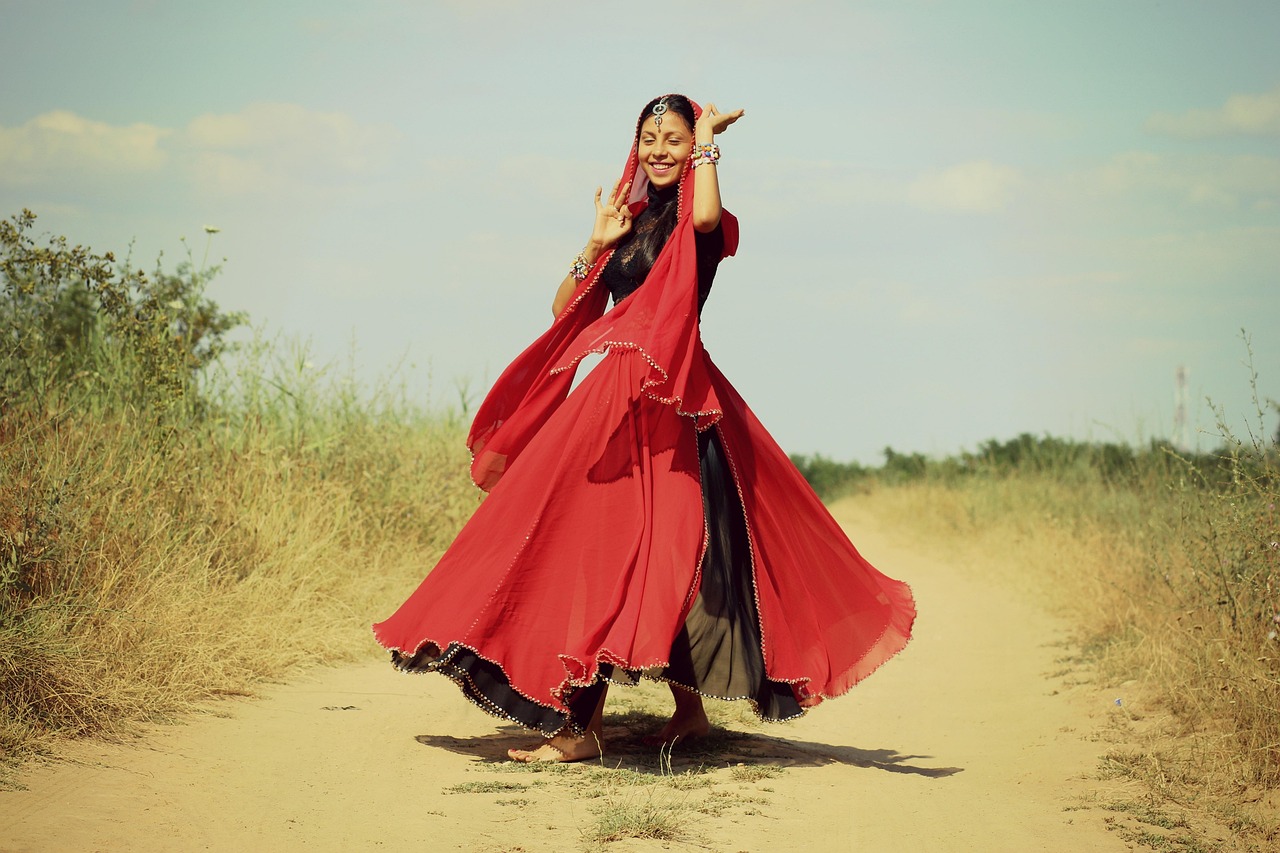
The subcontinent became a cradle of knowledge. Sanskrit literature, Buddhist teachings, and architectural marvels such as the rock‑cut temples of Ajanta and Ellora emerged. These creations reflected a shared reverence for beauty, truth, and interconnectedness.
Colonial Conquest
European traders arrived, eventually establishing control that reshaped the region's political and economic landscape. This period introduced new administrative systems, religions, and technologies, while also sowing seeds of resistance.
The Road to Independence
Decades of struggle - rooted in principles of self‑determination and spiritual resistance - culminated in the partition of the subcontinent into distinct nations. This transition, while painful, also marked the birth of new identities and aspirations.
Modern Nations
Today, the region comprises several sovereign states, each preserving its unique heritage:
- India: A democratic mosaic that continues to innovate in science, arts, and spirituality.
- Pakistan: A nation that blends Islamic traditions with a rich cultural tapestry.
- Bangladesh: Known for its linguistic pride and vibrant folk traditions.
- Other territories: Sri Lanka, Nepal, Bhutan, and the Maldives each add distinct flavors to the subcontinental narrative.
Common Questions
- Why is the Indian subcontinent often called a cultural crossroads? Its geography facilitated trade, migration, and the exchange of ideas across continents.
- How do ancient spiritual practices influence modern life? Concepts like karma, dharma, and mindfulness continue to guide personal and communal values.
- What lessons can we draw from its history? The resilience of diverse communities in the face of change offers a powerful reminder of unity in diversity.
Practical Takeaways
1. Explore local heritage: Visit historical sites, temples, and museums to connect with the past.
2. Celebrate linguistic diversity: Learning basic phrases in regional languages fosters deeper cultural appreciation.
3. Engage in mindful practices: Incorporate meditation or yoga to experience the spiritual legacy firsthand.
4. Support cultural preservation: Participate in or donate to initiatives that protect endangered traditions and languages.