
Introduction
When a single machine could reproduce text quickly and accurately, Europe entered a new era. The printing press didn't just speed up the production of books; it transformed how people learned, believed, and interacted. Understanding its impact helps us appreciate the roots of our current information age.
The Dawn of Mass Printing

Before the printing press, every book was hand‑copied by monks or scribes. This process was slow, expensive, and prone to errors. A mechanical press that used movable type allowed one set of type to be reused for multiple copies, drastically reducing time and cost. The result was a surge in available printed material and a dramatic fall in the price of books.
Literacy and Education
With cheaper books, more people could afford to read. Schools expanded, and curricula became more standardized because teachers had access to identical texts. As literacy rose, individuals gained the tools to question authority, explore new ideas, and participate in civic life.
The Spread of Ideas
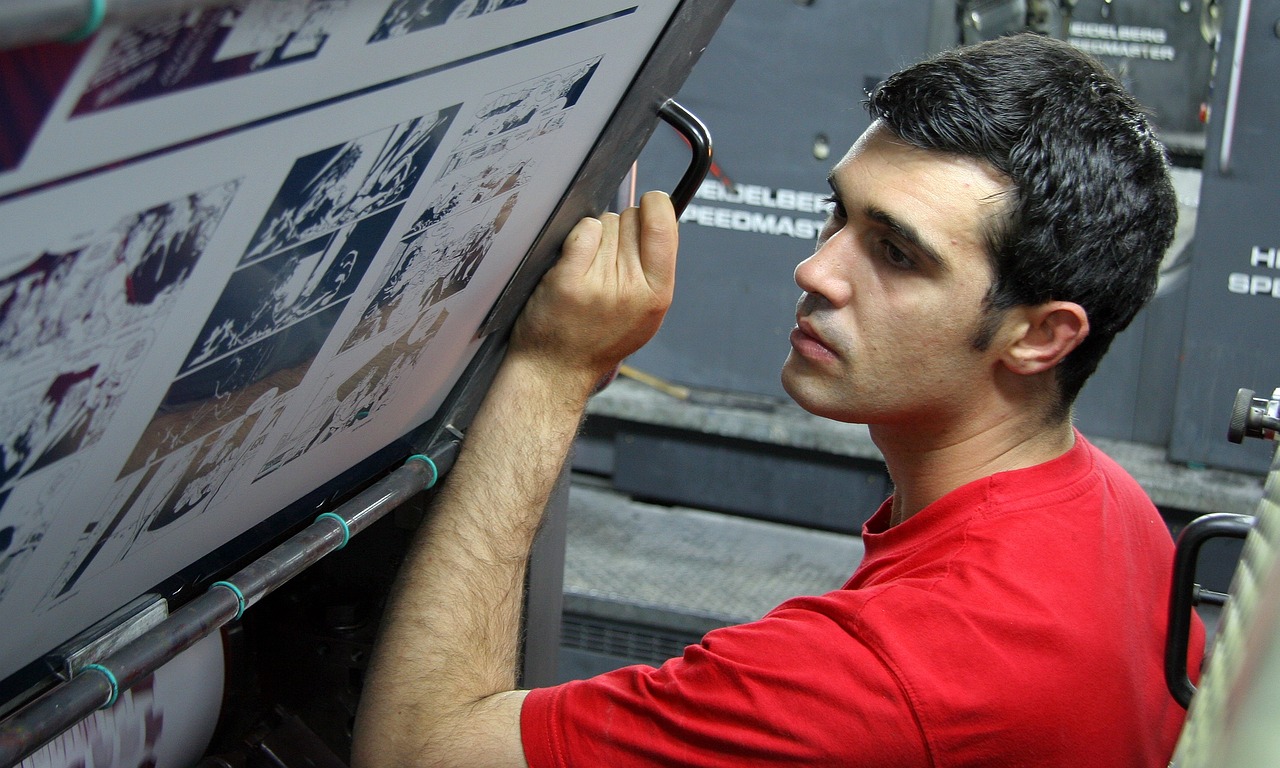
Printed works traveled across borders faster than ever before. Scholars could share research, artists could disseminate new styles, and political thinkers could spread their visions. The press turned Europe into a network of ideas, building collaboration and competition among thinkers.
Religious Reformation
One of the most profound effects of the printing press was on religion. Reformers could distribute their writings widely, challenging established doctrines. The rapid spread of religious texts ignited debates, led to new denominations, and ultimately reshaped the continent's spiritual landscape.
Scientific Revolution
Scientists used the press to publish observations and theories. Standardized texts meant that discoveries could be replicated and built upon. This shared knowledge accelerated advances in astronomy, physics, biology, and more, laying the groundwork for modern science.
Cultural Unity and National Identity
Printed books helped standardize languages. As people read the same texts, a shared linguistic culture emerged, strengthening national identities. This unity contributed to the rise of nation‑states and the decline of feudal fragmentation.
Practical Lessons for Today
Modern entrepreneurs can learn from the printing press's legacy:
- use Technology to Scale Ideas - Just as the press amplified knowledge, today's digital platforms can magnify innovative concepts.
- Prioritize Accuracy and Consistency - Standardized content builds trust, much like uniform texts did for early scholars.
- Embrace Rapid Dissemination - Speed in sharing information can create competitive advantage, echoing how pamphlets spread new theories.
Common Questions
- What was the printing press? - A mechanical device that uses movable type to produce multiple copies of text efficiently.
- How did it change Europe? - By making books affordable, increasing literacy, spreading ideas, catalyzing religious and scientific revolutions, and building national unity.
- Is it still relevant? - Absolutely. The principles of rapid, accurate, and wide dissemination underpin today's digital media, social networks, and open‑source movements.
The Printing Press Today
While digital printing has replaced many traditional methods, the core impact remains: information is more accessible than ever. The legacy of the printing press reminds us that technology, when used thoughtfully, can democratize knowledge and drive societal progress.