
The Dawn of the Automobile
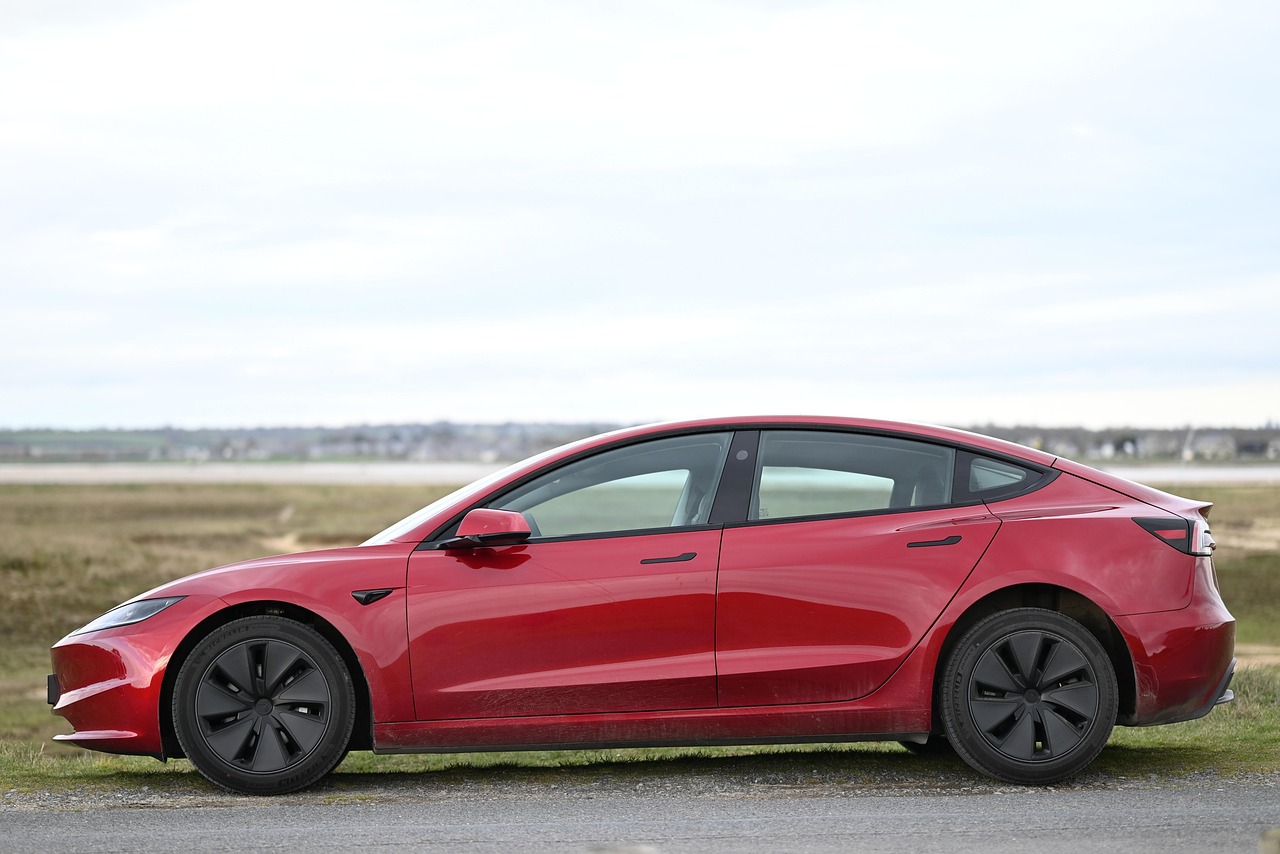
When we think of cars, we often picture sleek sedans, roaring engines, and the freedom to hit the open road. But the story of the automobile starts far earlier, with a handful of inventors and a spark of curiosity that turned wooden wagons into mechanical marvels. In the early 19th century, the idea of a self‑propelled vehicle was nothing more than a dream, but pioneers like Nicolas - Joseph Cugnot, who built the first steam - powered carriage in 1769, planted the seed for what would become a global industry.
Steam, the first serious contender, offered a glimpse into a future where humans could travel farther, faster, and with less reliance on horse power. However, the limitations of steam - slow start‑up times, heavy boilers, and the constant need for water - meant that the dream was still far from practical. The turning point came when inventors realized that a new type of fuel could unlock the potential of the automobile.
Steam, Gasoline, and the Birth of the Modern Car
In the 1870s, Gottlieb Daimler and Karl Benz independently developed gasoline engines that were lightweight, compact, and could be integrated into a vehicle chassis. Benz's 1886 Patent - Motorwagen, powered by a single - cylinder gasoline engine, is widely recognized as the first practical automobile. Meanwhile, Daimler's work on the high‑speed gasoline engine laid the groundwork for modern internal combustion engines.
These early vehicles were a far cry from the cars we drive today: they were clunky, lacked steering precision, and were prone to mechanical failures. Yet, they demonstrated that a small, efficient engine could propel a vehicle at speeds of 10 - 20 mph - an impressive feat for that era.
The Golden Age: 1910s‑1930s
As the 20th century dawned, the automobile entered a period of rapid innovation and mass production. Henry Ford's introduction of the moving assembly line in 1913 revolutionized manufacturing, reducing the cost of a Model T to a price that ordinary Americans could afford. This democratization of mobility spurred a cultural shift: cars became symbols of status, independence, and the American dream.
During this era, automotive design evolved from functional to stylish. The 1920s saw the rise of iconic models such as the Ford Model A, the Chevrolet Series C, and the luxury Packard 120. Engineers also experimented with new technologies - hydraulic brakes, electric starters, and improved suspension systems - that enhanced safety and comfort.
Post‑War Boom and the Rise of the Fast
After World II, the automotive industry experienced unprecedented growth. Veterans returned home with mechanical expertise and a desire for personal mobility. The 1950s introduced the era of muscle cars, with the Ford Mustang, Chevrolet Camaro, and Pontiac GTO becoming cultural touchstones.
Meanwhile, the 1960s and 1970s ushered in a wave of innovation: aerodynamic designs, safety features like seat belts, and the first electronic fuel injection systems. Globalization also began to shape the industry, with Japanese manufacturers such as Toyota and Honda emerging as major players, offering reliable, fuel‑efficient vehicles that appealed to a worldwide market.
The Shift to Safety and Fuel Efficiency
By the 1980s, the automobile industry faced mounting pressures: oil crises, tightening emissions regulations, and growing environmental concerns. Manufacturers responded with a focus on fuel economy and safety. The introduction of catalytic converters, anti‑lock braking systems (ABS), and airbags became industry standards.
The 1990s saw the rise of hybrid technology, most notably the Toyota Prius, which combined an internal combustion engine with an electric motor to reduce fuel consumption and emissions. This period also marked the beginning of the global shift toward electric vehicles (EVs), as governments worldwide introduced incentives for clean energy transportation.
The Electric Vehicle Renaissance
Fast forward to the 2020s, and the automobile is undergoing its most significant transformation yet. Electric vehicles have moved from niche to mainstream, with a growing number of models available across all segments - from compact city cars to high‑performance SUVs.
Key milestones in 2026 include the launch of the Tesla Model Y's upgraded battery pack, which offers a range of 400 km on a single charge, and the introduction of the Nissan Ariya, a plug‑in hybrid that blends efficiency with luxury. Governments worldwide have pledged to phase out internal combustion engines by 2040, accelerating the adoption of EVs and the development of charging infrastructure.
Modern Trends: Autonomy, Connectivity, and Sustainability
In addition to electrification, the 2020s are marked by advances in autonomous driving, vehicle connectivity, and sustainability. Level 4 autonomous systems are now available in controlled environments, allowing for driver‑less rides in urban areas. Connectivity has given rise to over‑the‑air software updates, enabling cars to receive performance patches and new features without a service visit.
Sustainability efforts focus on reducing the life‑cycle impact of vehicles. Manufacturers are investing in recyclable materials, carbon‑neutral production processes, and vehicle‑to‑grid (V2G) technologies that allow EVs to feed electricity back into the grid during peak demand.
How to Appreciate Classic Cars Today
- Research the Model: Understanding the car's historical context adds depth to your appreciation.
- Attend Car Shows: Events like the Pebble Beach Concours d'Elegance showcase restored classics.
- Join Enthusiast Clubs: Communities like the Mustang Club provide access to expert knowledge and shared experiences.
- Support Preservation Efforts: Donations to museums and restoration projects help keep automotive heritage alive.
Practical Tips for Car Enthusiasts in 2026
- Know Your EV: Familiarize yourself with your vehicle's charging capabilities and range to avoid range anxiety.
- Stay Updated on Software: Regularly check for over‑the‑air updates that can improve performance and safety.
- Plan for Maintenance: Even electric cars need periodic checks - battery health, brake fluid, and tire pressure are essential.
- Explore Car‑Sharing Programs: In 2026, many cities offer subscription‑based access to premium vehicles, making high‑end cars more accessible.
The Future of the Automobile
Looking ahead, the automobile will likely become a fully integrated mobility service rather than a standalone product. Shared autonomous fleets, hyper‑connected infrastructure, and renewable energy sources will redefine what it means to own a car. While the internal combustion engine may vanish from the roads by 2040, the legacy of the automobile - innovation, freedom, and the spirit of exploration - will continue to inspire future generations.
Frequently Asked Questions
What is the main point of this article?
This article traces the evolution of the automobile from early steam prototypes to the electric‑powered, connected vehicles of 2026, highlighting key milestones and offering practical insights for enthusiasts.
Who should read this?
Anyone with an interest in cars - whether you're a classic car collector, a modern EV owner, or simply curious about automotive history - will find useful information and context.
What is the most important tip here?
Regularly update your vehicle's software and stay informed about charging infrastructure to maximize the benefits of modern electric cars.
Where can I learn more?
Explore automotive museums, online archives, and reputable car‑industry publications for deeper dives into specific eras and models.
Is this information current?
Yes - this article reflects developments and trends as of 2026, including recent EV releases and industry initiatives.