
Introduction
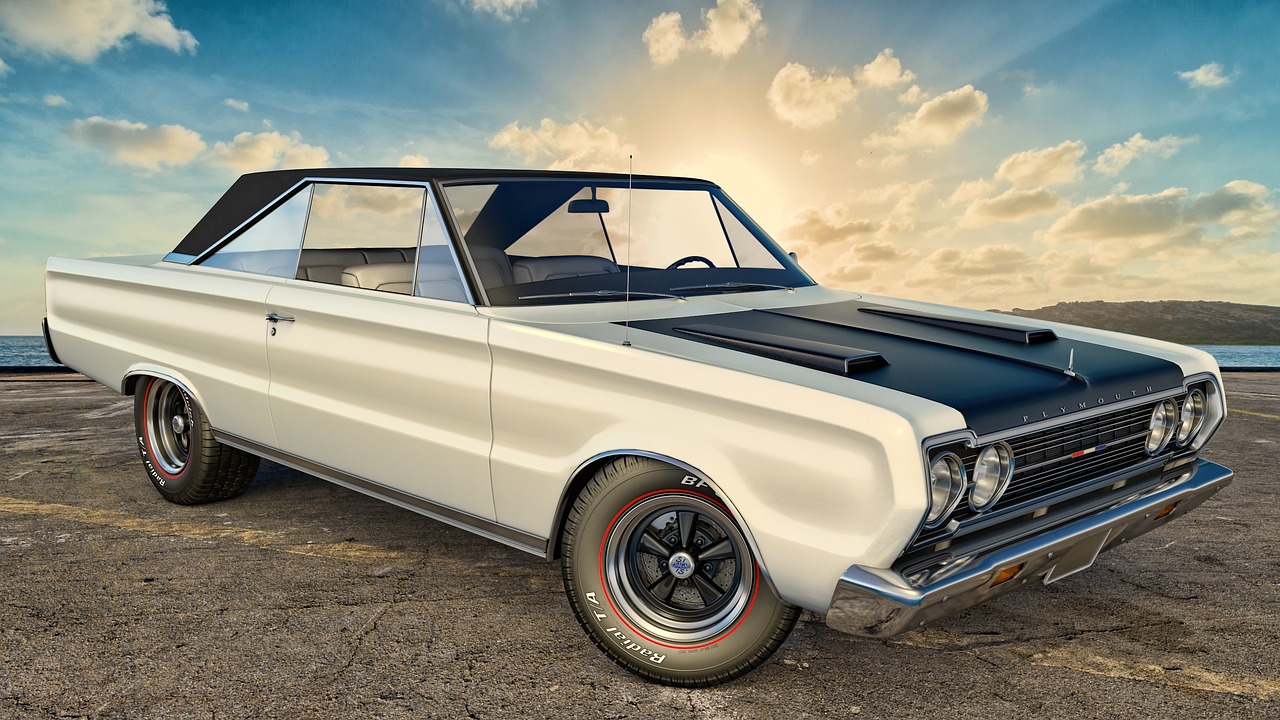
When the wind whispers through the open hood of a car, it's tempting to fall in love with the gleam of a brand‑new model. Yet, the romance of a well‑maintained used car can be just as thrilling - especially when you're looking to stretch every rupee. 2026 brings new technologies, eco‑friendly hybrids, and a vibrant used‑car market that can make the decision a bit less daunting. This guide breaks down the love story of new versus used cars, giving you clear, practical advice to pick the one that truly fits your heart - and your wallet.
Understanding New Cars
A new car is like a freshly‑wound romance: it's exciting, full of promise, and comes with all the latest features. Below are the key aspects that make new cars unique.
- Latest Technology: 2026 models boast advanced driver‑assist systems, AI‑powered infotainment, and better fuel efficiency.
- Full Warranty: Most new cars come with a 5‑year or 100,000‑km warranty, covering major components.
- Customisation: Choose colour, trim, and optional extras to tailor the vehicle to your taste.
- Lower Maintenance Risk: Early years mean fewer unexpected repairs.
Advantages of New Cars
- Zero‑previous‑owner history.
- Access to the latest safety standards.
- Possibility of manufacturer incentives, cashback, and low‑interest financing.
- Peace of mind: everything is new, nothing hidden.
Disadvantages of New Cars
- Higher Purchase Price: The upfront cost is usually 15‑20% higher than a comparable used model.
- Rapid Depreciation: A new car can lose up to 30% of its value in the first year.
- Higher insurance premiums, especially for high‑tech models.
- Longer waiting times for delivery or customization.
Understanding Used Cars
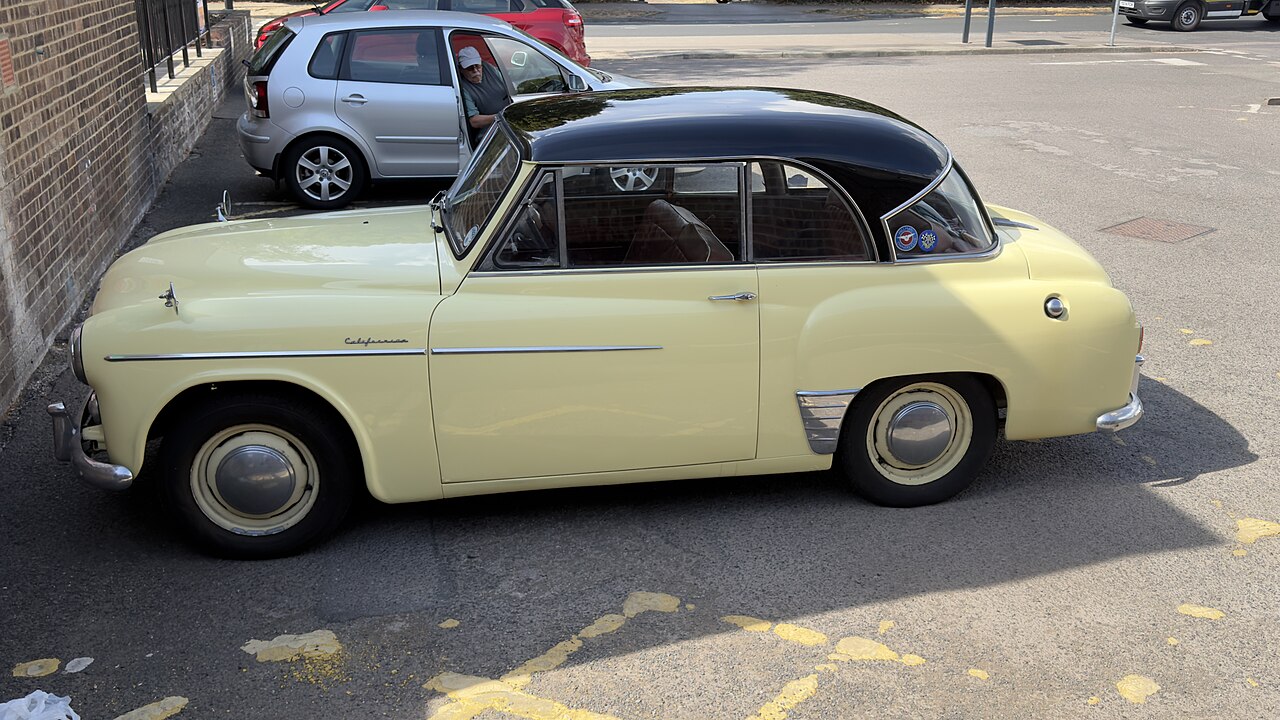
Used cars are like a seasoned love interest: they've seen the road, have character, and can offer a great deal of value. The 2026 used‑car market is vibrant, with many certified pre‑owned options available.
Advantages of Used Cars
- Lower initial cost - often 20‑40% cheaper than new.
- Slower depreciation: most of the value drop occurs before purchase.
- Wide selection: from luxury sedans to compact city cars.
- Possibility of certified pre‑owned warranties.
Disadvantages of Used Cars
- Uncertain maintenance history.
- Potential for hidden defects or previous accidents.
- Higher likelihood of upcoming repairs as the vehicle ages.
- Limited or no manufacturer warranty.
Key Factors to Compare
When weighing new against used, consider these practical checkpoints:
- Budget & Affordability: Beyond purchase price, factor in insurance, taxes, and ongoing maintenance.
- Usage Pattern: Daily commutes, long drives, or occasional trips can influence the best choice.
- Technological Needs: Need the latest safety features? New may be better.
- Resale Value: Estimate how much you'll get back in 5 years.
- Financing Options: Check loan rates, lease deals, and dealership incentives.
Price and Depreciation
In 2026, a new sedan that starts at ₹12 lakh may drop to around ₹8.4 lakh in the first year. A used version purchased at ₹9 lakh could retain 70% of its value after five years, making it a more economical long‑term investment.
Warranty and Maintenance
New cars often come with 5‑year warranties covering major components. Used cars may offer a 12‑month or 20,000‑km warranty if certified by the dealer, but you'll need to budget for routine maintenance sooner.
Financing and Insurance
Dealerships in 2026 frequently provide zero‑down or low‑down payment options for new cars. Used cars, however, might qualify for lower loan amounts and shorter repayment periods, reducing monthly outgo.
Test Drive and Inspection
Whether you're leaning toward new or used, always:
- Take a full test drive to gauge handling and comfort.
- Inspect the vehicle for scratches, rust, or mechanical issues.
- Request a vehicle history report for used cars.
- Confirm the warranty coverage and service history.
Final Decision Matrix
Use this simple matrix to decide:
- New if you value brand new technology, zero maintenance risk, and long‑term peace of mind.
- Used if you prioritize cost savings, lower insurance, and a quicker entry into ownership.