
Why Sound Matters in Travel
When we think of travel, images of landmarks, food, and culture come to mind. But every city has a soundtrack - its own blend of traffic, markets, nature, and human activity. Acoustic tourism invites travelers to listen, discover, and connect with places through sound.
What Is Soundscape Travel?
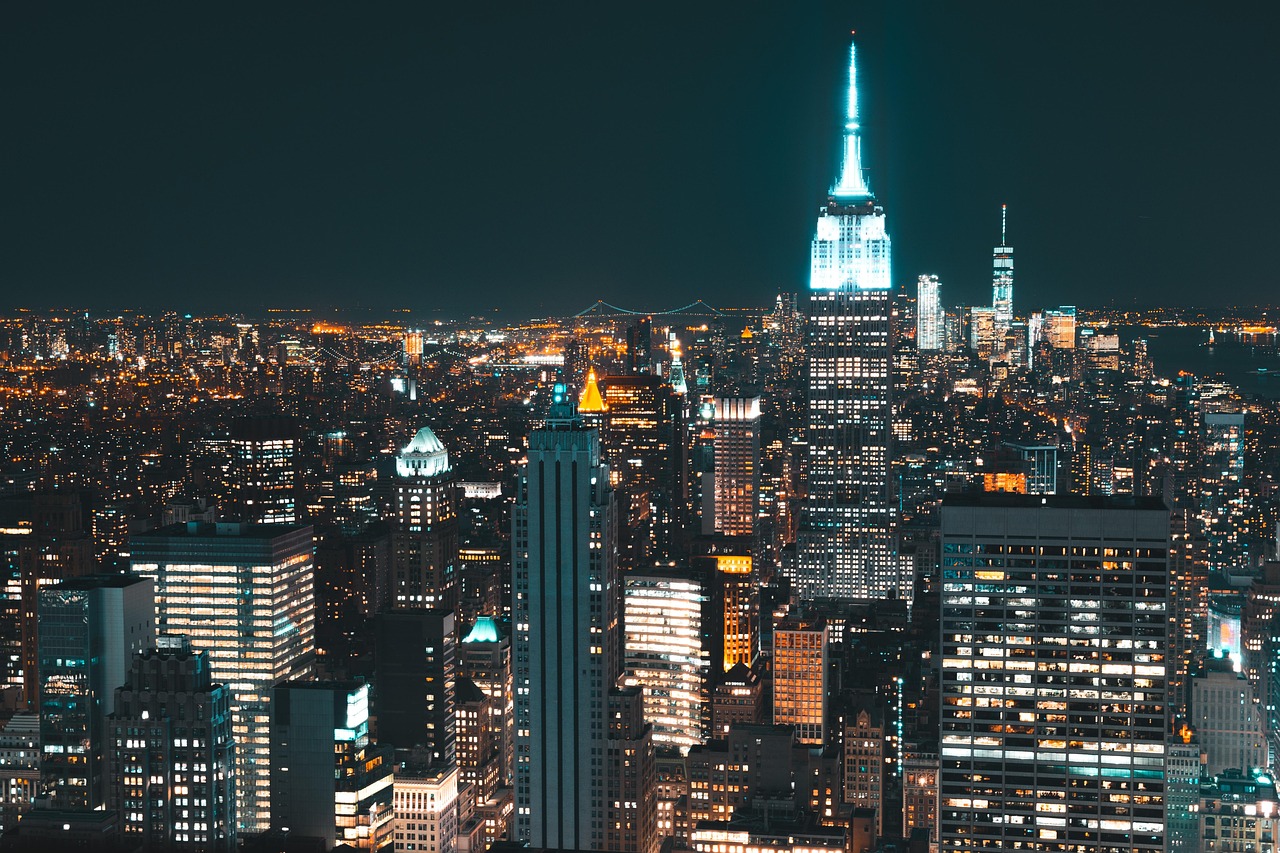
Soundscape travel is the practice of exploring a destination by listening to its ambient noises. Instead of a visual itinerary, you create an audio map that highlights key sounds: a bustling fish market, a cathedral choir, a river's rush, or the rhythmic clatter of a train station.
Common Questions Answered
- Do I need special equipment? A good pair of noise‑canceling headphones and a smartphone with a reliable audio app are enough.
- How do I avoid disturbing local sounds? Keep your volume low, follow local etiquette, and respect quiet zones.
- Can I record my own soundscape? Absolutely - many travelers use portable recorders to capture personal moments.
Step‑by‑Step Guide to Planning a Soundscape Trip
1. Research the city's acoustic signature. Look for audio guides, podcasts, or local sound tours online. Cities like Amsterdam, Kyoto, and Oaxaca already have official soundwalks.
2. Create a sound checklist. Write down sounds you want to hear: street musicians, market chatter, animal calls, construction, or silence.
3. Map your route. Use a city map and place markers where specific sounds are known to occur. Apps like SoundMap or Google Maps' "Explore" feature can help.
4. Schedule listening times. Some sounds are best at dawn (birdsong, early markets) while others peak at dusk (night markets, jazz clubs).
5. Document and share. Take notes, record audio snippets, or use a voice journal to capture your experience.
Practical Tips for a Successful Soundscape Journey
- Choose the right headphones. Noise‑canceling headphones reduce ambient interference, letting you focus on the target sound.
- Mind the weather. Rain can mask sounds but also create new layers like puddle splashes.
- Use a sound recorder. Portable recorders with high‑quality microphones capture details that headphones might miss.
- Respect local norms. Some places prohibit recording; always ask permission before capturing audio.
- Plan for downtime. Quiet corners, parks, or rooftop terraces are perfect for listening without distractions.
Top Cities for Acoustic Exploration
- New Orleans - jazz, street performers, and the iconic French Quarter hum.
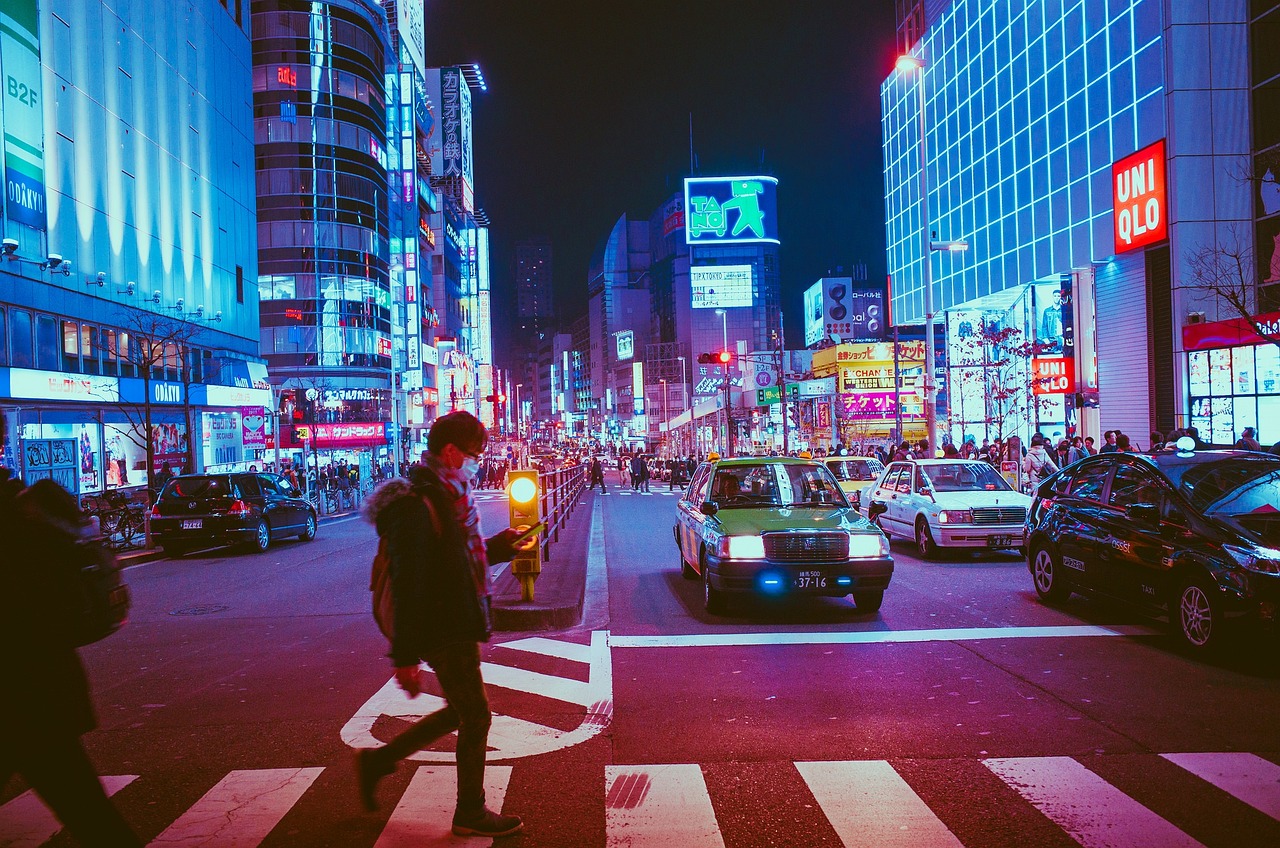
- Tokyo - neon buzz, subway chatter, and serene temple chants.
- Barcelona - Catalan folk music, market calls, and the sea.
- Chiang Mai - temple bells, night markets, and forest wildlife.
- Vancouver - whale calls, city traffic, and forest wind.
Creating Your Own Soundscape Itinerary
1. Pick a theme: Nature in the city, street music, or historical sounds.
2. Identify key locations that embody the theme.
3. Record or download existing audio clips for each spot.
4. Use a playlist or a custom app to play sounds at the right times and places.
5. Reflect on how each sound changes your perception of the place.
Benefits of Soundscape Travel
- Deepens immersion. Hearing a city's heartbeat creates a more intimate connection.
- Enhances memory. Auditory cues are powerful mnemonic tools.
- Encourages mindful wandering. Listening requires presence, reducing distraction.
- Supports local culture. Sound tours often collaborate with musicians, markets, and artisans.
How to Share Your Soundscape Experience
Share your audio diaries on social media, create a podcast episode, or post a blog with embedded audio clips. Use tags like #AcousticTourism, #SoundscapeTravel, #ListenTheWorld.