
What Is a Soundscape Roadtrip?
Imagine a journey where the destination is defined not by landmarks but by the layers of sound that paint the atmosphere of a place. A soundscape roadtrip invites you to follow the music of markets, the rhythm of trains, the whisper of wind through ancient ruins, and the laughter of street performers. It's an experiential map that reads the world's acoustic fingerprint.
Why Sound Matters in Travel
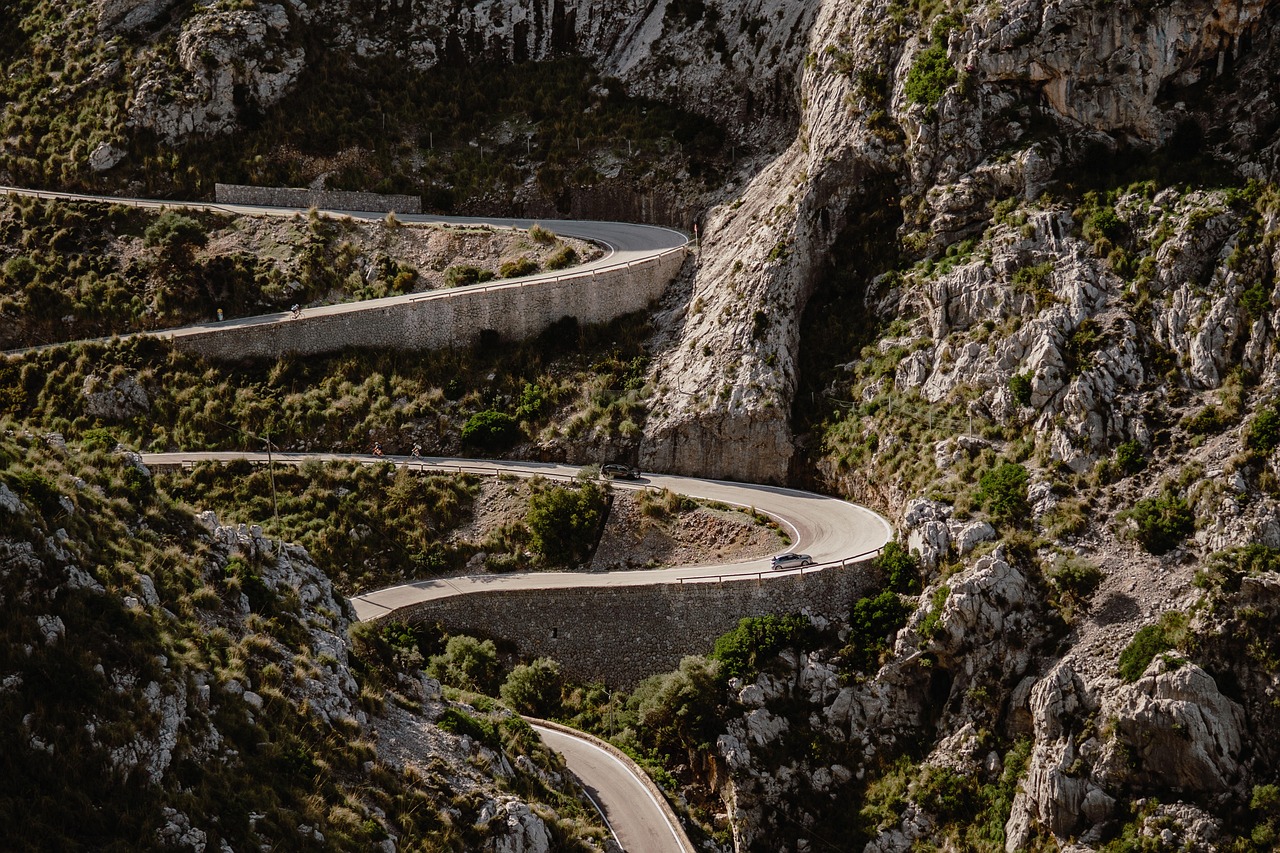
Sound is a powerful cultural marker. It carries history, language, and emotion. By tuning into local sounds, you:
- Gain deeper cultural insight - The cadence of a market bell or a choir's chant can reveal traditions that photos often miss.
- Enhance memory retention - Auditory memories are vivid and long‑lasting.
- Connect with nature - From the rustle of leaves to the call of birds, natural soundscapes build mindfulness and relaxation.
Planning Your Acoustic Journey
Like any adventure, a soundscape trip starts with careful planning:
- Identify acoustic hotspots - Research festivals, markets, natural reserves, and historic sites known for their distinctive sounds.
- Choose the right gear - A lightweight recorder, noise‑cancelling headphones, and a good notebook or voice memo app will capture quality audio.
- Schedule around peak activity - Early mornings often reveal the most authentic sounds, from street vendors to wildlife.
- Respect local norms - Always ask before recording in sensitive areas and be mindful of privacy.
Top Destinations for Acoustic Exploration
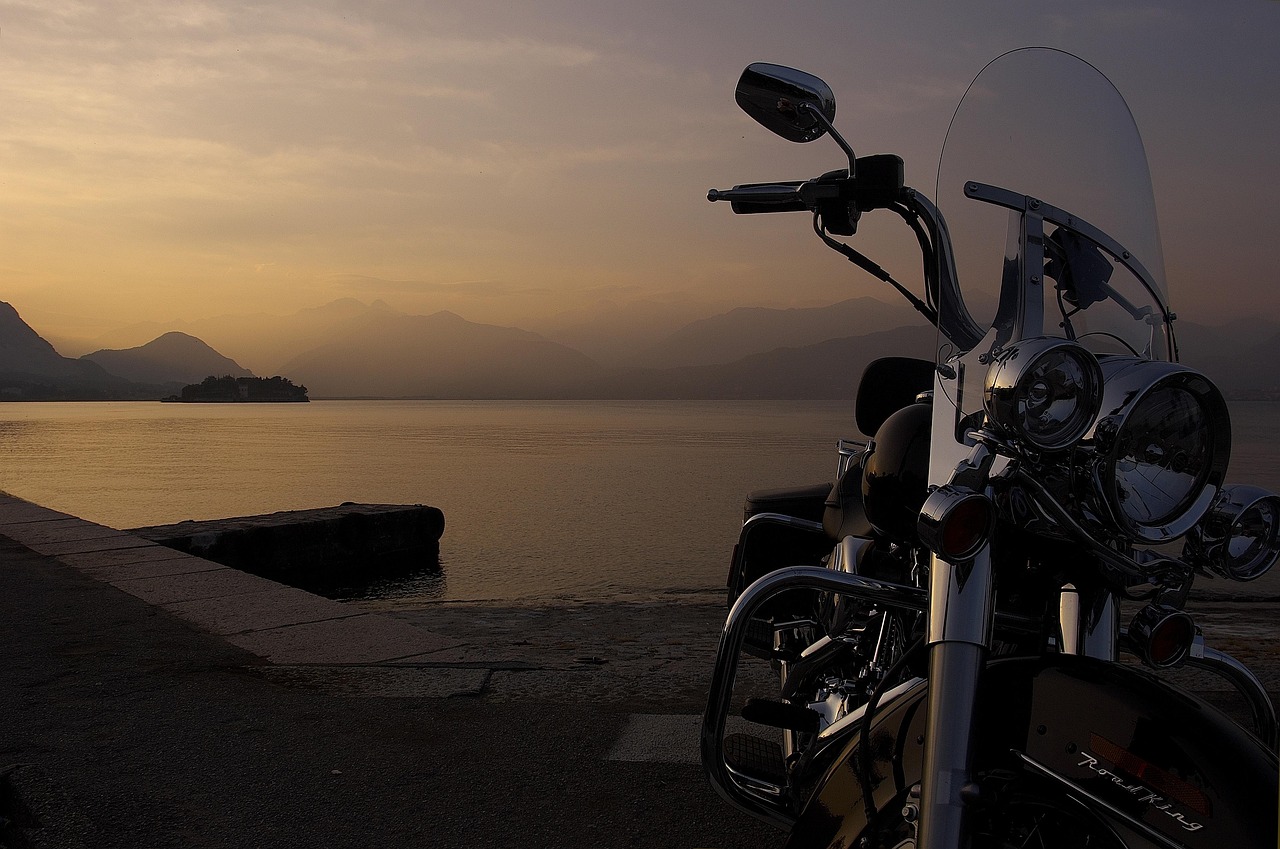
Here are a few destinations that offer unforgettable soundscapes:
- Chiang Mai, Thailand - The nightly night market buzz, temple chants, and the distant drum of the Sunday Fair.
- Capri, Italy - The gentle lapping of waves on the Amalfi coast, the clink of wine glasses in the Piazzetta, and the distant bells of the Cathedral.
- Kyoto, Japan - The rhythmic footsteps in bamboo groves, temple bells, and the whisper of a koi pond.
- Bhutan's Paro Valley - Traditional prayer flags fluttering, monks chanting, and the echoing call of the Himalayan blue sheep.
- New Orleans, USA - Jazz trumpets, street performers, and the creak of the French Quarter at night.
Capturing and Curating Your Audio Memories
Recording is just the beginning. Here's how to transform raw sounds into meaningful memories:
- Layer recordings - Combine ambient sounds with spoken reflections or local stories.
- Tag with context - Note the location, time, and any cultural event occurring.
- Share responsibly - Upload to sound libraries or personal blogs, giving credit to local communities.
- Use sound as a storytelling tool - Pair audio clips with photographs or sketches for a richer narrative.
Practical Tips for a Successful Acoustic Trip
- Keep your equipment lightweight - A compact recorder and a good pair of headphones reduce fatigue.
- Practice mindful listening - Turn off your phone's notifications; let the environment speak.
- Engage with locals - Ask about the sounds you hear; they often have fascinating explanations.
- Be patient - Some sounds, like the rare call of a nocturnal animal, may require hours of waiting.
- Stay safe - Avoid recording in high‑risk areas (e.g., near cliffs or in traffic zones) without proper safety measures.
Common Questions About Soundscape Travel
- Do I need expensive equipment? - No. A decent smartphone with a high‑quality microphone attachment can suffice for casual exploration.
- Can I record in protected areas? - Always check local regulations; some national parks restrict recording.
- How can I share my recordings ethically? - Attribute sources, respect privacy, and consider community licensing agreements.
- What if I'm a language barrier? - Audio is universal; you can still appreciate the rhythm and tone even if you can't understand the words.
- Will I need to learn audio editing? - Basic editing is useful but optional; many travelers enjoy the raw, unedited experience.
Conclusion: Hearing the World Differently
Soundscape roadtrips offer a fresh lens through which to experience travel. By following the music of places - whether it's the steady hum of a bustling bazaar, the echo of a mountain cave, or the quiet hush of a forest at dawn - you open yourself to deeper cultural connections and a richer, more memorable adventure. Pack your recorder, open your ears, and let the world speak its silent language to you.