From Moon Phases to Digital Timekeeping: The History of the Calendar
Time, Calendars & Measurement
From Moon Phases to Digital Timekeeping: The History of the Calendar
Jaskaran Sherpa
November 5, 2026 · 3 views
Introduction
Calendars are the unsung heroes of civilization. They organize festivals, guide agriculture, and even influence our moods. But how did we evolve from counting lunar cycles to the sophisticated systems we rely on today? Let's take a quick, witty trip through time to uncover the story behind the calendar.
Ancient Beginnings: Moon, Sun, and the First Count
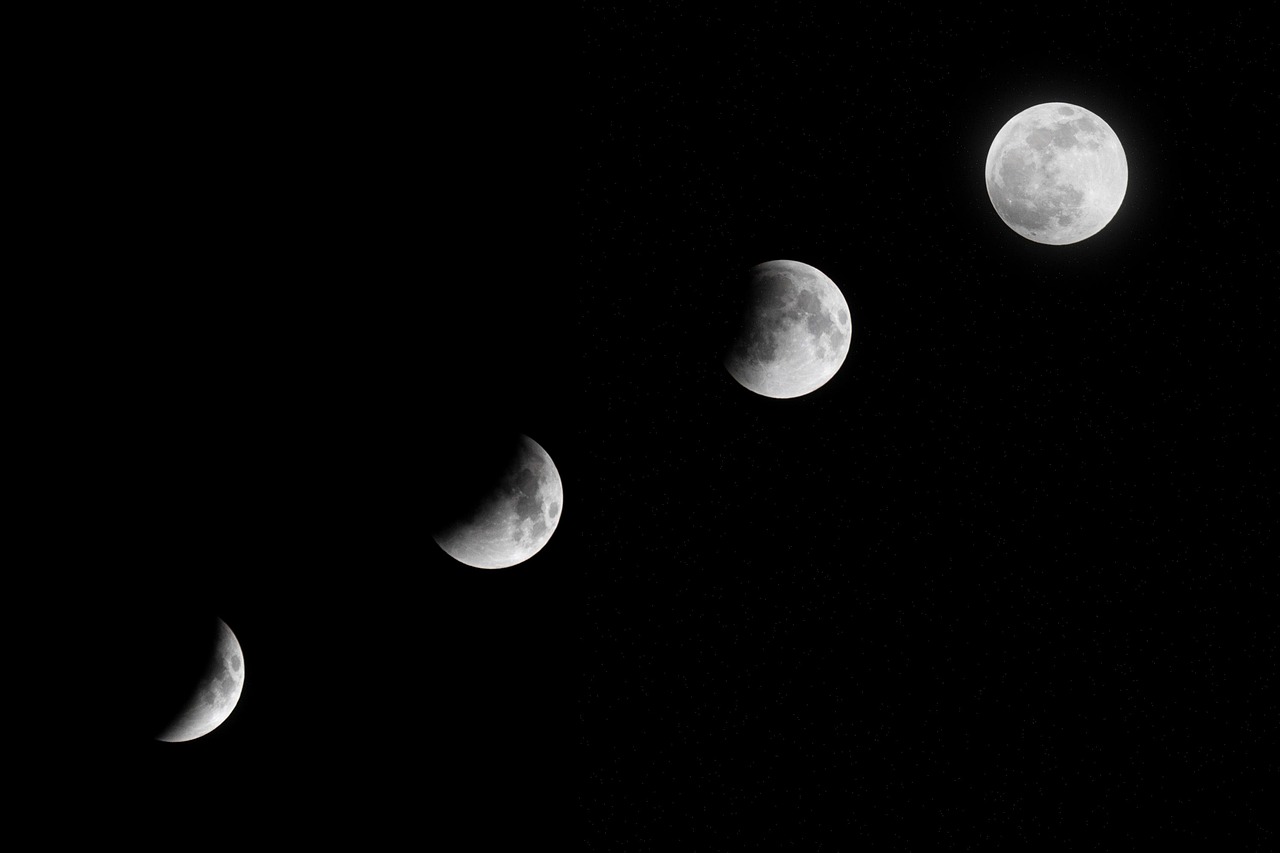
Long before spreadsheets, people stared at the sky and asked, "When will the next harvest be?" The earliest calendars were simple: they followed the moon's waxing and waning, marking a month when the new crescent appeared. A handful of cultures, like the Babylonians and the Maya, also noted the sun's position to keep track of seasons.
The Egyptian Solar Calendar: A 365‑Day Revolution
Egyptians were the first to create a solar calendar based on the Nile's predictable flood cycle. They divided the year into 12 months of 30 days, plus five extra days that were considered a time for festivals. This 365‑day system was remarkably accurate for agriculture and quickly spread to neighboring regions.
Roman and Julian: A New Dawn for the West
The Romans, obsessed with order, introduced a 365‑day year with an extra leap day every four years. This Julian calendar simplified scheduling and remained the backbone of European timekeeping for centuries. Its simplicity made it easy to adopt, even in the far corners of the Roman Empire.
Gregorian Reform: Fixing the Calendar Clock
Problem: The Julian calendar drifted about 11 minutes per year, causing festivals to shift away from their intended seasons.
Solution: In 1582, Pope Gregory XIII refined the leap year rule: years divisible by 100 were not leap years unless also divisible by 400.
Impact: This tweak realigned the calendar with the solar year, and the Gregorian system is still in use worldwide, except in a few countries that retain local calendars for cultural purposes.
Non‑Western Calendars: Diversity in Timekeeping
While the Gregorian calendar dominates globally, many cultures maintain their own systems:
Hebrew Calendar: A lunisolar system that adds an extra month 7 times every 19 years.
Islamic Calendar: A purely lunar calendar with 12 months of 29 or 30 days, causing holidays to drift through the seasons.
Chinese Calendar: Another lunisolar system, used for festivals like the Lunar New Year.
Today's calendars are a blend of tradition and technology:
Digital Calendars: Google Calendar, Apple Calendar, and Microsoft Outlook sync events across devices, offering reminders, time zone conversions, and collaborative planning.
Time Zones: Coordinated Universal Time (UTC) standardizes global time, enabling everything from international flights to satellite launches to coordinate smoothly.
Leap Seconds: Occasionally added to account for the Earth's slightly irregular rotation, keeping atomic clocks in sync with astronomical time.
Practical Tips: Make the Calendar Work for You
Set Recurring Events: Use the "repeat" feature to schedule regular appointments - weekly meetings, monthly bill payments, or yearly anniversaries.
Color‑Code Your Life: Assign colors to different categories - work, personal, health - to visually separate priorities.
Sync Across Devices: Keep your phone, laptop, and smartwatch updated to avoid missing important dates.
Use Time Zone Features: When traveling, double‑check time zones to avoid showing up early or late.