
Introduction
When we think of the ancient world, images of bustling markets, exotic spices, and vibrant textiles often come to mind. But what truly bound these diverse regions together was a vast network of roads and sea lanes known as the Silk Road. Far more than a single path, it was a tapestry of routes that connected the East to the West, allowing goods, people, and ideas to flow across continents. Understanding this network helps us appreciate how interconnected our ancestors were and why the Silk Road remains a powerful symbol of cultural exchange.
The Birth of the Silk Road
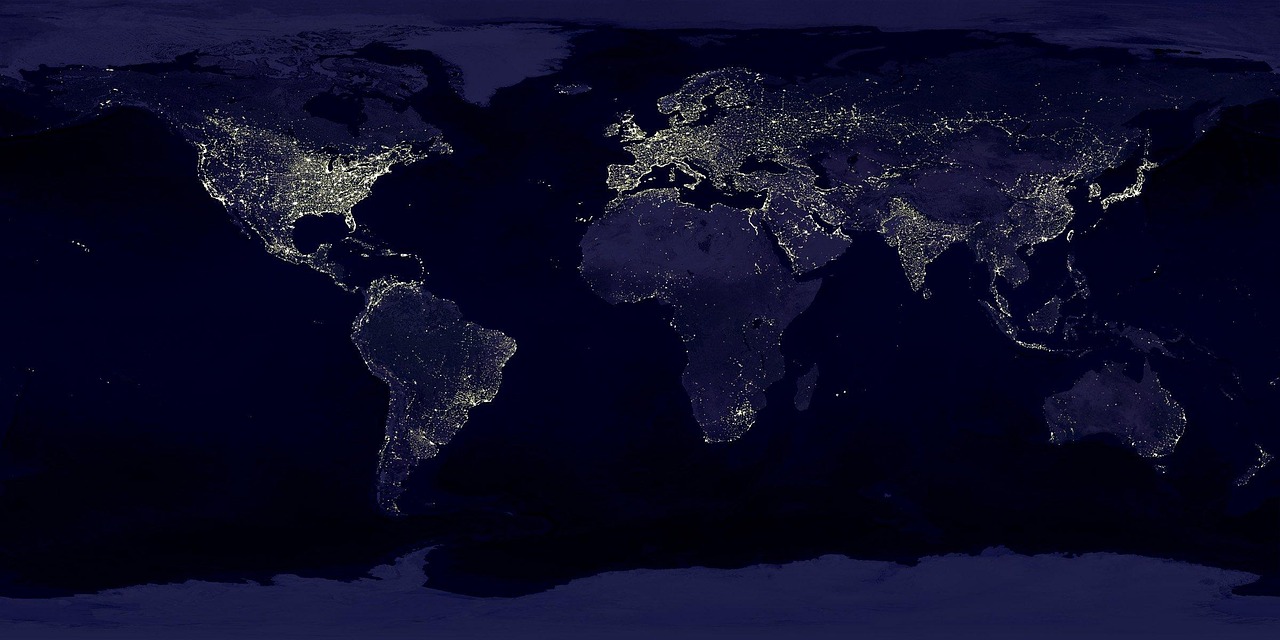
Originating around the 2nd century BCE, the Silk Road began as a trade corridor between the Chinese empire and the Roman territories. While silk earned its name from the prized fabric that China exported, the route carried a wide array of commodities - spices, precious metals, ceramics, and even animals like camels and horses. The roads were not built by a single empire; rather, they evolved as merchants, travelers, and caravans sought the most efficient ways to cross deserts and mountains.
Key Routes and Their Significance
- Silk Road East to West: From Chang'an (modern Xi'an) to the Mediterranean, this corridor facilitated the exchange of silk, paper, and other Chinese innovations.
- Silk Road North‑South: Connecting the Mediterranean to the Indian subcontinent, it allowed for the movement of spices, precious stones, and cultural practices.
- Maritime Silk Routes: Coastal traders linked the Indian Ocean, the Red Sea, and the Arabian Peninsula, ensuring goods could bypass treacherous overland terrains.
Economic Impact: More Than Just Trade

The Silk Road was a catalyst for economic growth in regions it touched. Local markets sprouted along the routes, providing merchants with fresh supplies and travelers with rest stops. Cities like Samarkand, Kashgar, and Antioch became bustling hubs where merchants from China, Persia, India, and Europe converged. The wealth generated by this commerce helped fund public works, such as roads, bridges, and irrigation systems, further improving connectivity.
Cultural and Scientific Exchange
Goods were only part of the story. The Silk Road served as a conduit for ideas, religions, and technologies. Buddhism traveled from India to China, while Nestorian Christianity found a foothold in Central Asia. Scientific knowledge - astronomy, mathematics, and medicine - moved along the same paths. For instance, the Chinese invention of paper reached the West, where it revolutionized record‑keeping and literature.
Common Questions About the Silk Road
- Was it a single road? No. It was a network of overland and maritime routes that changed with the seasons and political climates.
- How did travelers survive harsh conditions? Caravans relied on caravanserais - fortified inns - alongside skilled guides who knew safe water sources and trade routes.
- What made the Silk Road so enduring? Its ability to adapt: as empires rose and fell, new traders filled the void, keeping the routes alive for centuries.
Practical Takeaways for Modern Readers
While the ancient Silk Road is no longer in use, its legacy offers lessons for today:
- Globalization depends on connectivity. Just as merchants needed roads and ports, modern businesses thrive on strong infrastructure and open borders.
- Cultural curiosity fuels progress. The exchange of ideas along the Silk Road accelerated scientific discovery; encouraging cross‑cultural dialogue can lead to innovation today.
- Resilience in the face of change. The Silk Road survived wars, famines, and shifting trade dynamics. Modern supply chains can learn to diversify routes and adapt to disruptions.
How to Explore Silk Road History Today
For history enthusiasts and curious travelers alike, several steps can bring the ancient Silk Road closer:
- Visit key historical sites. Cities like Xi'an, Samarkand, and Istanbul hold museums and ruins that showcase the route's heritage.
- Read primary sources. Travelogues such as the accounts of the Greek explorer Pytheas or the Chinese pilgrim Xuanzang offer firsthand perspectives.
- Engage with modern research. Academic studies on archaeology, trade patterns, and cultural diffusion provide deeper insights into the Silk Road's impact.