
1. The Global Population Snapshot
As of 2026, the world's population stands at roughly 8.2 billion people, a 7% increase since 2020. While growth rates vary widely - rising in sub‑Saharan Africa and the Middle East, plateauing or declining in Europe and Japan - every region is feeling the ripple effects of demographic change.
2. Urbanization: Cities on the Rise
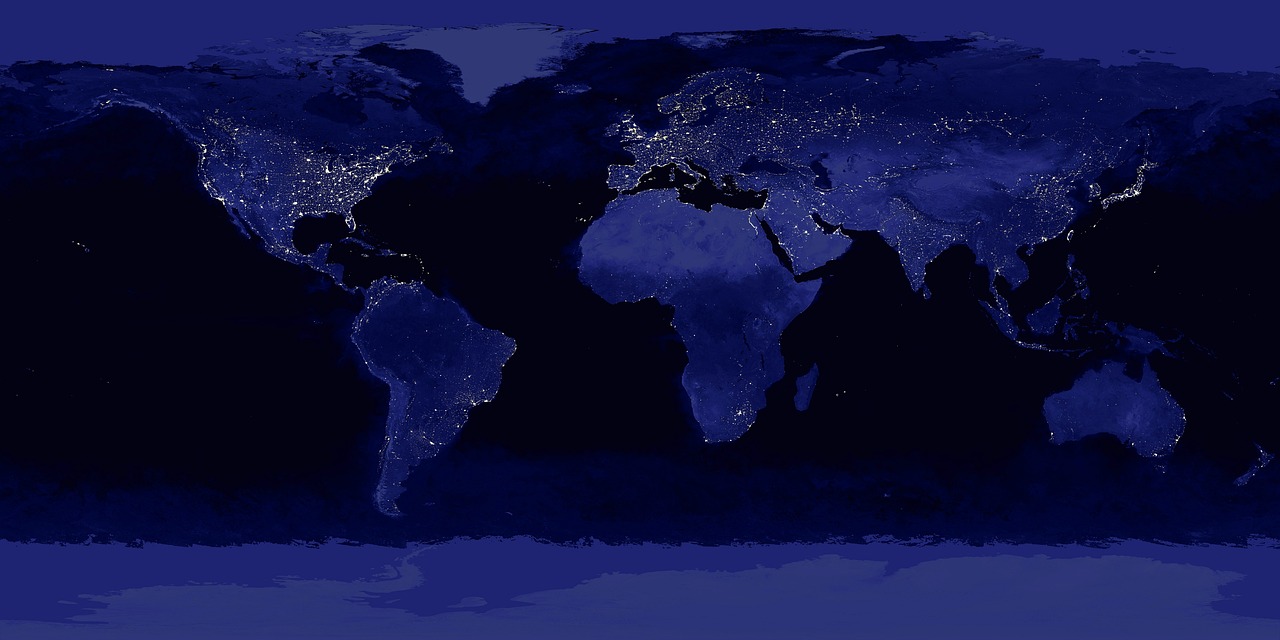
More than 55% of the global population now lives in urban areas, up from 50% in 2015. Megacities such as Lagos, Delhi, and Jakarta are expanding faster than the average city worldwide, demanding new infrastructure, housing, and public services.
- Housing Crunch: Urban growth outpaces affordable housing supply, driving up rents and sparking informal settlements.
- Transport Stress: Congested roads and aging transit systems strain daily life and economic productivity.
- Green Spaces: Limited parks and open areas impact mental health and local biodiversity.
3. Demographic Dividend or Demographic Drag?
Many developing countries enjoy a youthful population that can boost labor markets and innovation. However, this advantage comes with significant responsibilities: education, job creation, and health services must keep pace.
- Education Gap: School enrollment rates have risen, yet quality and accessibility lag behind demand.
- Employment Pressure: Youth unemployment in Africa exceeds 20%, pushing many toward informal or migratory work.
- Health Infrastructure: Rapid population growth strains maternal and child health services, especially in rural areas.
4. Aging Populations in the Developed World
Countries like Japan, Italy, and Germany face shrinking workforces as life expectancy climbs. This demographic shift drives higher healthcare costs, pension pressures, and a need for automation.
- Workforce Shortage: A smaller labor pool slows economic growth and innovation.
- Healthcare Demand: Chronic disease management and elder care become budget priorities.
- Policy Response: Many governments are raising retirement ages, encouraging immigration, and investing in robotics.
5. Migration: The New Frontier of Demographic Change
Population growth fuels internal and cross‑border migration. In 2025, the UN estimated that 70 million people were displaced, a number expected to rise as climate‑induced events intensify.
- Economic Integration: Migrants often fill essential roles in healthcare, agriculture, and technology sectors.
- Social Tension: Rapid demographic shifts can spark xenophobia if integration policies lag.
- Policy Tools: Countries are adopting points‑based immigration systems and bilateral agreements to manage flows.
6. Resource Consumption & Environmental Impact
Every new person requires food, water, energy, and shelter. Population growth, coupled with rising per‑capita consumption in emerging economies, amplifies pressure on natural resources.
- Water Scarcity: By 2030, 50% of the world's population could live in water‑stressed regions.
- Food Security: Agriculture must produce 70% more calories by 2050 to feed a projected 10 billion people.
- Carbon Footprint: Population density in megacities drives urban heat islands and increases energy demand.
7. Technological Innovations Driving Adaptation
Tech breakthroughs are essential to meet the demands of a growing population. Smart cities, precision agriculture, and renewable energy are leading the charge.
- Smart Infrastructure: IoT sensors optimize traffic flow, reduce energy waste, and improve public safety.
- Vertical Farming: High‑yield, low‑water farms are becoming viable in densely populated urban centers.
- Renewable Energy: Solar and wind installations are expanding, especially in regions with abundant natural resources.
8. Policy Recommendations for 2027 and Beyond
Governments, businesses, and civil society must collaborate to turn population growth into a positive force. Below are actionable steps:
- Invest in Education: Prioritize STEM and vocational training to equip the next generation for emerging jobs.
- Expand Affordable Housing: use public‑private partnerships to build mixed‑use developments.
- Promote Sustainable Agriculture: Support agro‑tech startups that increase yields with minimal environmental impact.
- Strengthen Migration Frameworks: Adopt inclusive policies that use the economic potential of newcomers while ensuring social cohesion.
- Enhance Healthcare Systems: Scale telemedicine and mobile clinics to reach remote populations.
- Implement Climate‑Resilient Infrastructure: Build flood‑resistant roads, seawalls, and green roofs in vulnerable areas.
9. The Bottom Line
Population growth is not just a headline statistic - it is a dynamic force reshaping our societies, economies, and ecosystems. By understanding its patterns and proactively addressing its challenges, we can create a future that balances prosperity with sustainability.