
The Global Headcount in 2026: A Snapshot
As of November 2026, the United Nations estimates that the world population stands at roughly 8.2 billion people. That's about 1.1 % of the total in the last 12 months - a rate that has slowed slightly from the 1.2 % pace seen in 2024, but still enough to keep the planet humming.
Where Are the Most People Living?
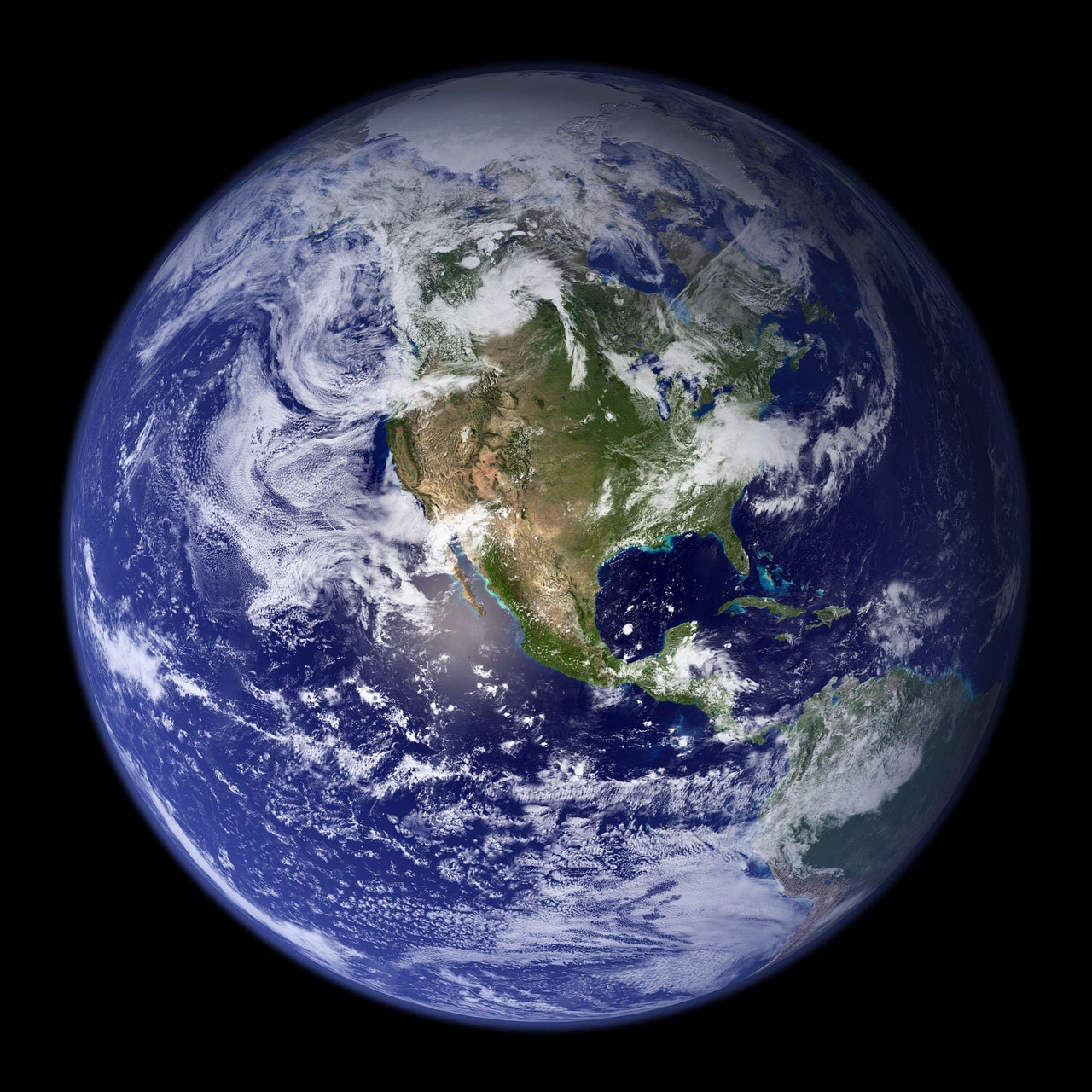
Population density is a handy way to see where humanity clusters. China and India top the list with 1.4 billion and 1.4 billion residents, respectively. Together they account for nearly 35 % of the global headcount.
Below are the top ten countries by population:
- China - 1.4 billion
- India - 1.4 billion
- United States - 333 million
- Indonesia - 275 million
- Pakistan - 240 million
- Brazil - 215 million
- Nigeria - 215 million
- Bangladesh - 170 million
- Russia - 146 million
- Mexico - 126 million
Growth Rate: How Fast Is the Planet Expanding?
While the overall growth rate has eased, some regions are still on the rise:
- Sub‑Saharan Africa - 2.5 % annual growth
- South Asia - 1.2 % annual growth
- East Asia (excluding China) - 0.8 % annual growth
Conversely, many developed nations see a slight decline in births, with Japan's growth rate hovering around - 0.4 % and Germany's at - 0.3 %. These trends will shape future labor markets, healthcare demands, and housing needs.
Population by Continent and Country
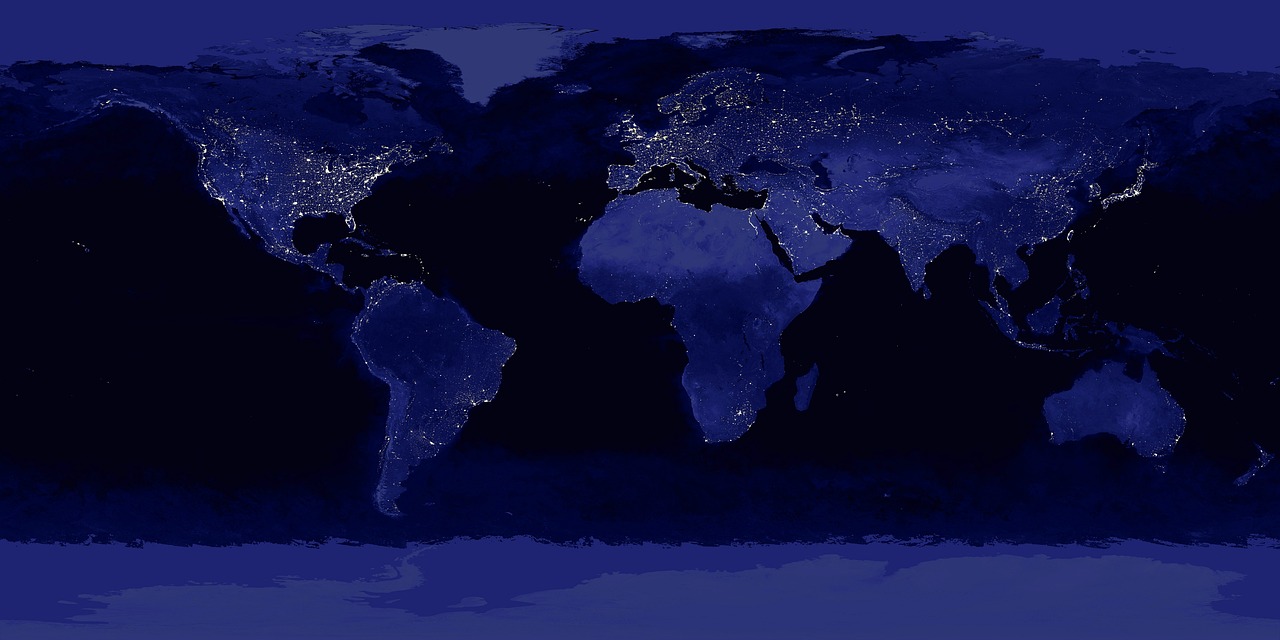
Here's a quick breakdown:
- Asia - 4.8 billion (59 % of world)
- Africa - 1.4 billion (17 %)
- Europe - 748 million (9 %)
- North America - 592 million (7 %)
- South America - 426 million (5 %)
- Oceania - 43 million (0.5 %)
Asia's share has grown from 58 % in 2020 to 59 % today, reflecting its large, youthful populations and expanding economies.
What Does This Mean for Us?
Population size drives everything from climate change to market opportunities. A larger global population increases:
- Carbon emissions - more energy demand, more vehicles, more industry.
- Food consumption - the planet must produce enough calories to feed 8.2 billion mouths.
- Infrastructure needs - schools, hospitals, roads, and digital connectivity must scale.
On the flip side, higher population can spur innovation, create massive consumer markets, and accelerate cultural exchange.
How to Use Population Data in Everyday Life
Whether you're a business owner, a student, or a curious citizen, demographic data can be surprisingly practical:
- Market research: Identify regions with growing consumer bases and tailor product launches accordingly.
- Urban planning: Cities can use density figures to optimize public transport routes and housing projects.
- Education planning: School districts monitor birth rates to anticipate enrollment changes.
- Travel planning: Understanding population trends helps predict crowd levels at popular destinations.
Tools like the UN World Population Prospects and World Bank databases make these numbers accessible in interactive tables and charts.
Future Outlook: 2027 and Beyond
Projections for 2027 suggest the world population will climb to approximately 8.3 billion, a modest increase of 100 million people. Key drivers:
- Continued growth in Sub‑Saharan Africa, where fertility rates remain above replacement.
- Urbanization trends in Latin America and the Caribbean, drawing rural populations into cities.
- Technological advances in healthcare extending life expectancy, especially in developing regions.
However, climate change, geopolitical shifts, and potential pandemics could alter these trajectories. Policymakers are already debating "smart growth" strategies to balance population pressures with sustainability.
Quick Facts & Figures
- Global population density - 58 people per square kilometre.
- Average life expectancy - 73.2 years.
- Median age - 30.4 years.
- Projected global population in 2050 - 9.7 billion.