
Introduction
Time has always been a precious commodity. Before the tick of a quartz crystal or the buzz of a smartphone, early humans turned to the world around them for clues about when to plant, hunt, or celebrate. Their solutions were simple yet profound, and many of those techniques still inspire us today. In this article we'll walk through the most iconic tools and ideas that helped our ancestors keep track of the passing moments.
The Sun: The First Clock
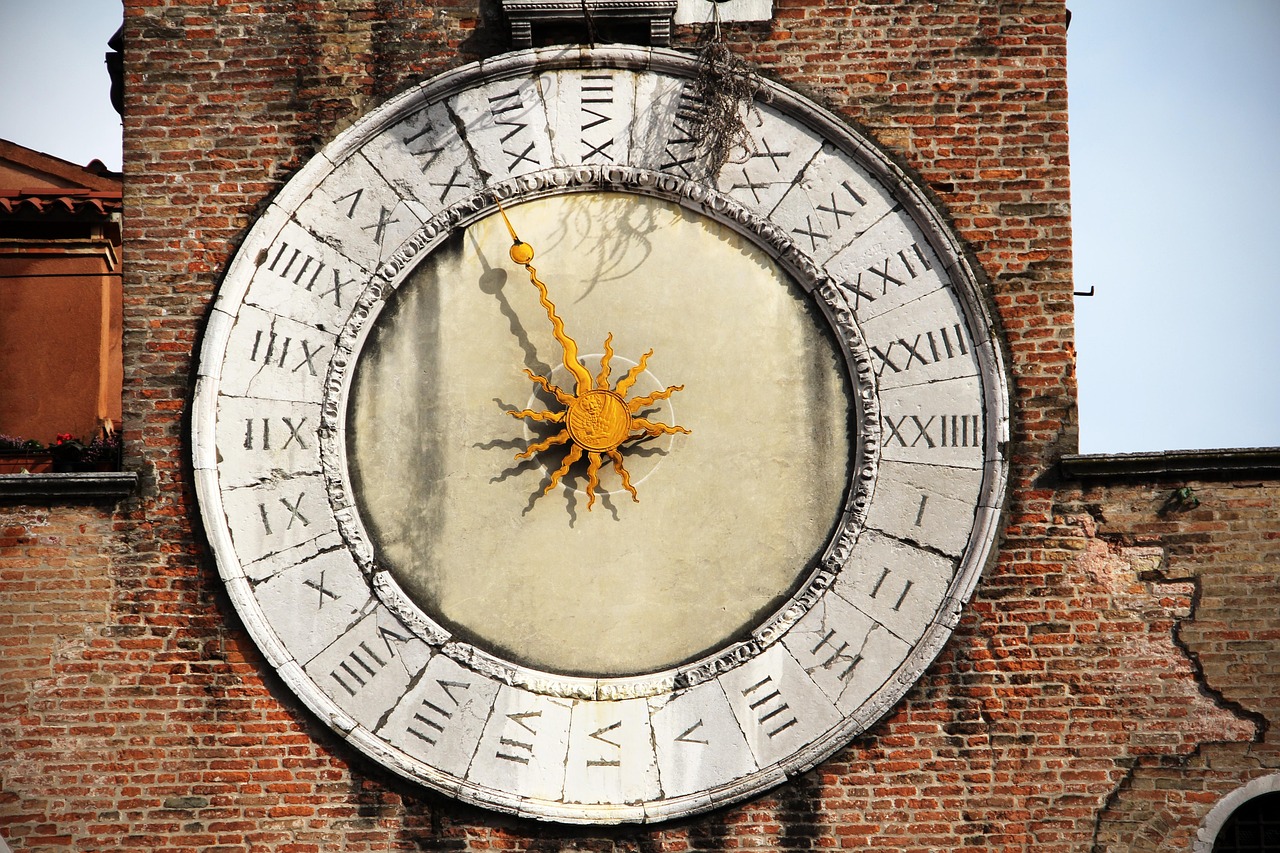
When you think of the first clock, imagine a stone slab and a stick. The gnomon, a vertical rod, casts a shadow that moves across a marked surface as the sun travels. By noting the shadow's position, people could estimate the hour of day. The Greeks refined the design, adding hour lines and even dividing the day into 12 parts. Egyptian priests, who needed precise timing for rituals, used large wooden sundials in the desert, while the Romans popularized the horologium, a portable sundial that could be carried to a field or a marketplace.
Water and the Rhythm of Nature
Water's steady flow offered a more continuous measure than the sun's intermittent light. The ancient Egyptians were pioneers of the clepsydra, or water clock. By regulating the flow of water from a reservoir through a small opening, they could create a consistent time interval. These devices were often calibrated with marks on the container, allowing priests and officials to read the elapsed time. The Greeks later improved the design, using double water clocks in tandem to correct for temperature variations. In some cultures, such as the Maya, the water clock was combined with a calendar system, linking the daily rhythm to the larger cycle of the year.
The Rise of the Calendar
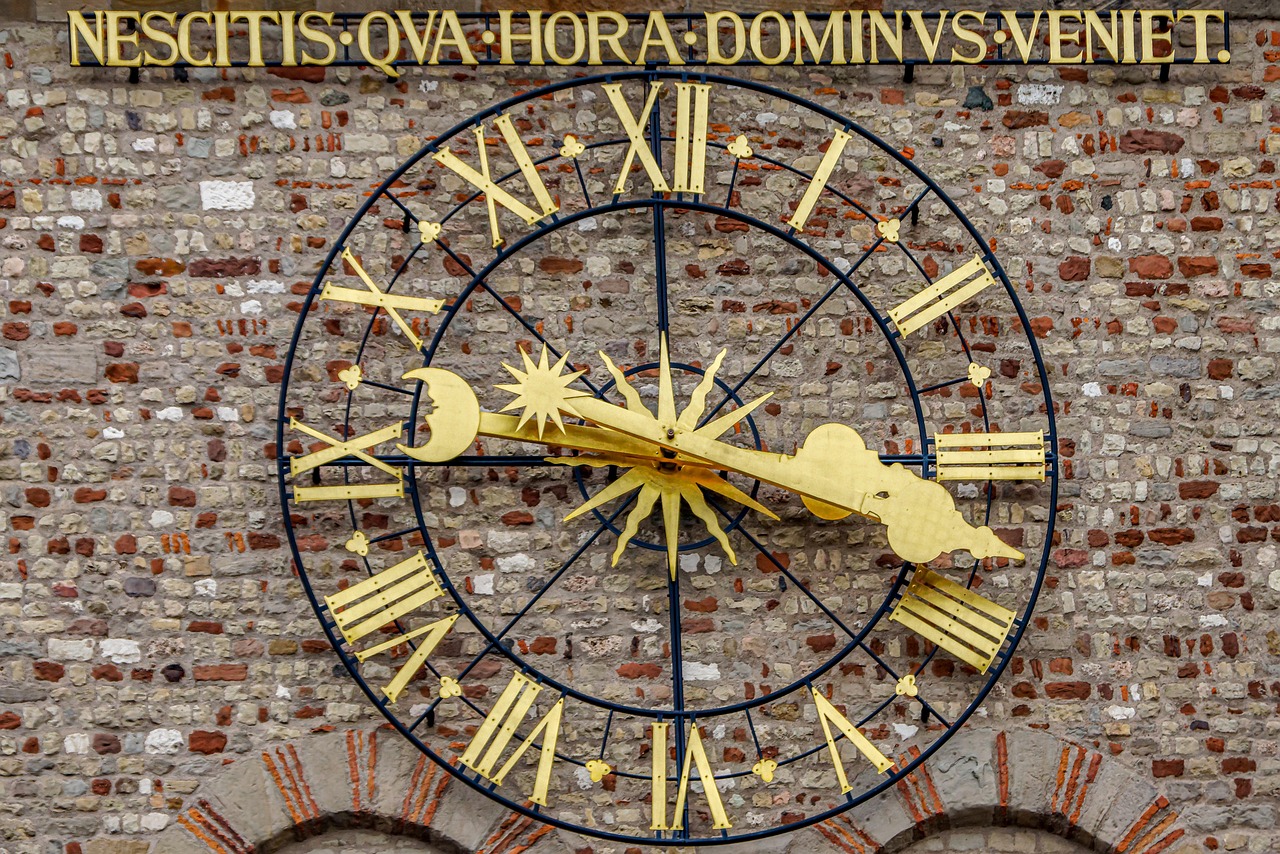
While sundials and water clocks helped with daily timing, societies soon needed a way to keep track of months and seasons. The earliest calendars were based on the moon's phases. The Babylonians, for instance, counted 12 lunar months and added an extra month every few years to sync with the solar year. The ancient Egyptians developed a 365‑day solar calendar, which was important for predicting the annual flooding of the Nile. In China, the lunisolar calendar guided agricultural activities and festivals, and its influence can still be seen in the Chinese New Year celebrations.
Stone Circles and Alignments
Some cultures turned to stone to mark the passage of time on a grand scale. Stonehenge in England is perhaps the most famous example. Its stones align precisely with the solstices: the sunrise on the longest day of the year and the sunset on the shortest. Newgrange in Ireland, older than Stonehenge, uses a stone door that allows a beam of light to enter the burial chamber exactly at sunrise on the winter solstice. These alignments were not just symbolic; they served as practical tools for farmers and shepherds to schedule planting and harvesting.
Common Questions About Ancient Timekeeping
- How accurate were ancient clocks? While not precise by modern standards, many devices were surprisingly reliable. A well‑made sundial could give a rough estimate of the hour, and water clocks could keep time within a few minutes over an hour.
- Did all cultures use the same units of time? No. The length of an hour varied; some cultures divided the day into 12, others into 24. Even the concept of a "minute" or "second" emerged much later.
- Why did some societies abandon their calendars? Changes in climate, migration, or political shifts often required new systems. For example, the Mayan calendar's "Long Count" was replaced by the Spanish colonial calendar after the conquest.
- Can we still use ancient timekeeping methods? Absolutely! Many hobbyists build sundials or water clocks as educational projects. They're a fun way to connect with history and the natural world.
Practical Takeaways for Modern Readers
1. Observe the sun. Even in our busy lives, taking a moment to watch the sun's path can remind us of the rhythms that shaped human history.
2. Try a DIY sundial. All you need is a stick, a flat surface, and a little patience. Mark the shadow's position at noon on a clear day to calibrate your own "clock."
3. Explore local stone circles. Many sites are open to the public. Visiting them offers a tangible link to the past and a chance to appreciate the ingenuity of our ancestors.
4. Use ancient calendars as a teaching tool. Show children how the Maya counted days or how the Egyptians predicted the Nile flood. It's a great way to blend history, math, and nature.
Ultimately, ancient timekeeping reminds us that before the digital age, humans were already turning to science, observation, and creativity to make sense of the world. Their tools were humble, but their impact is timeless.