
What Are Fermented Foods, Anyway?
Fermentation isn't just a fancy kitchen trick; it's an age‑old method of preserving food that turns sugars into acids, alcohols, or gases. The result? Foods that taste sharper, last longer, and, surprisingly, keep your gut happy. Think yogurt, sauerkraut, kombucha, kimchi, tempeh, and even sourdough bread. All share one thing: friendly microbes doing their thing.
Probiotics: Your Gut's New Best Friends
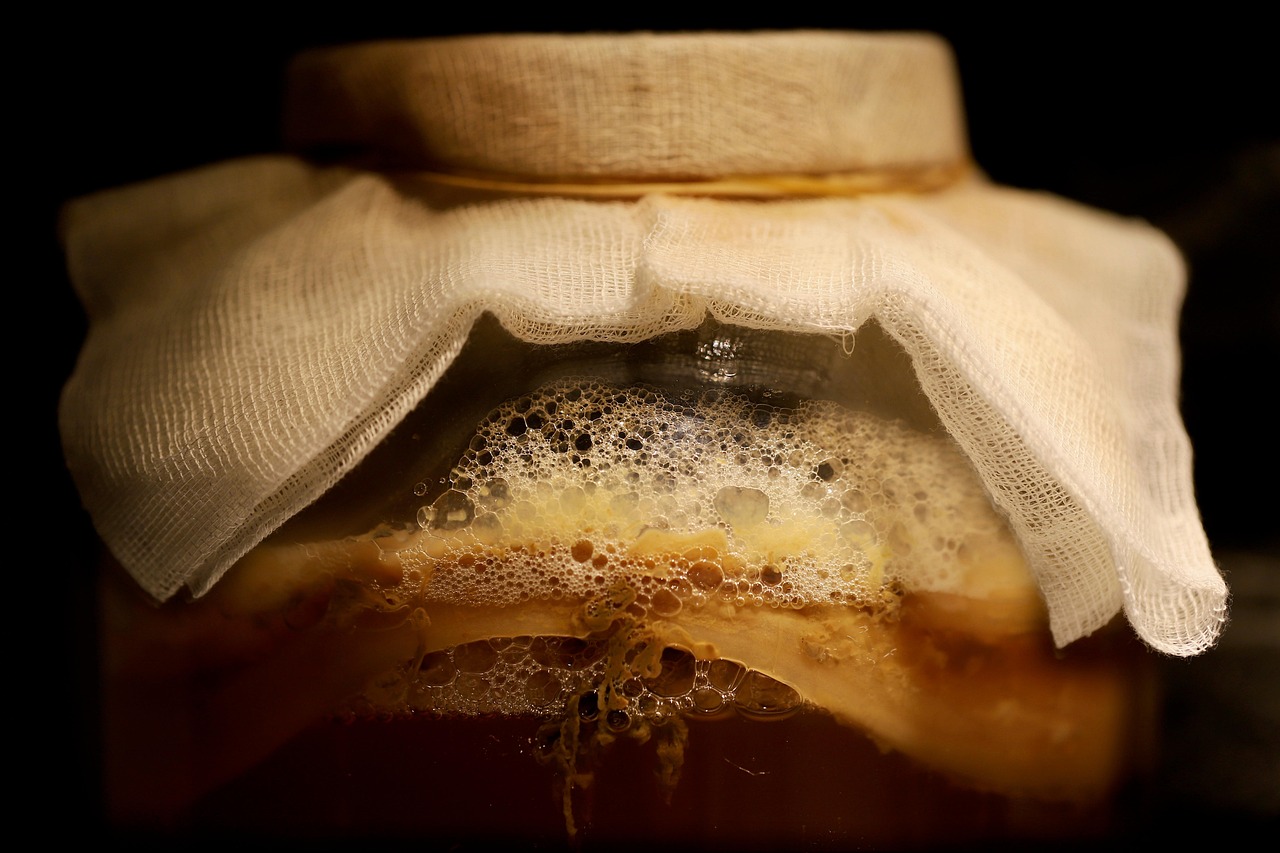
When you eat fermented foods, you're feeding a swarm of probiotics - bacteria and yeasts that live in your intestines and help keep the bad guys at bay. Probiotics help:
- Improve Digestion: They break down food that would otherwise sit around like a bad joke.
- Boost Immunity: A healthy gut means a stronger shield against colds, allergies, and even some chronic conditions.
- Support Mood: The gut‑brain axis is real; a happy gut can mean a happier you.
- Lower Inflammation: Less inflammation = less pain, less fatigue, more dancing.
Common Questions About Fermented Foods
- Do I need a special recipe to make them? Not necessarily - many store‑bought options are ready to eat. If you want to DIY, start with a simple yogurt or kimchi kit.
- Are they safe for everyone? Most people enjoy them without issues. If you have a severe digestive disorder, talk to a dietitian first.
- Can I eat them every day? Yes! A handful of fermented foods a day can be part of a balanced diet.
- Do they contain alcohol? Some, like kombucha or kefir, have trace amounts (usually