
Introduction
When people talk about automation, they often picture a future where machines replace every human task. The reality is a bit more nuanced. Technology is reshaping how we work, but it's also creating new opportunities. In this article, we'll explore the real impact of automation on jobs, bust common myths, and give you actionable steps to stay ahead.
Myth #1: All Jobs Are at Risk
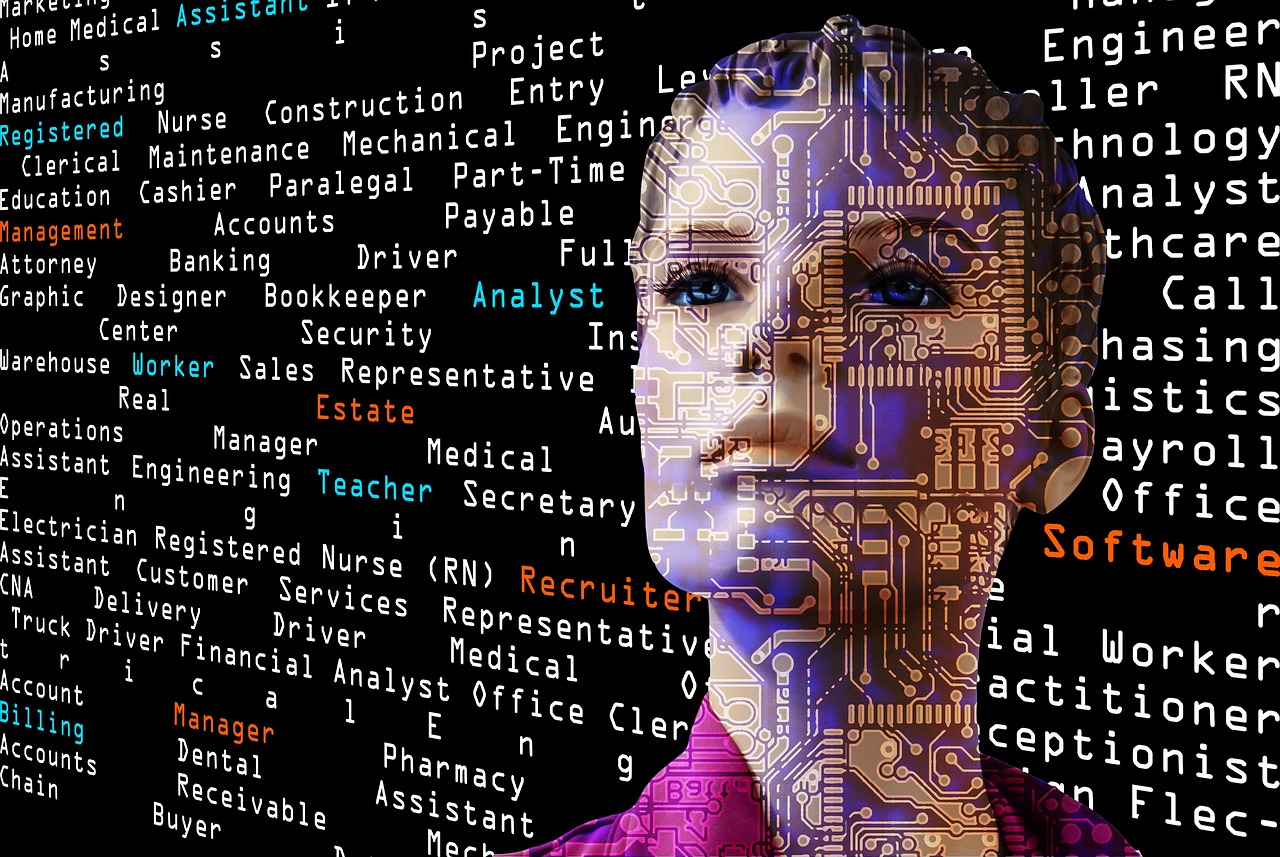
It's easy to assume that any job can be automated, but the truth is that many roles require uniquely human skills - empathy, creativity, complex decision‑making, and social interaction. Automation tends to target repetitive, predictable tasks. Jobs that involve nuance, judgment, and emotional intelligence are far less likely to disappear. That said, even these roles may evolve to incorporate new tools, so staying adaptable is key.
Myth #2: Automation Means Job Loss, Not Job Creation
History shows that technological shifts create more jobs than they eliminate. While some positions become obsolete, new ones spring up in design, maintenance, data analysis, and customer experience. Think of how the rise of smartphones created app developers, digital marketers, and UX designers - roles that never existed a few decades ago.
Industries That Are Changing Fast

- Manufacturing - Robotics and advanced sensors streamline production lines.
- Retail - Automated checkout and inventory management reduce manual labor.
- Transportation - Smart logistics and route optimization improve efficiency.
- Finance - Algorithms process transactions and detect fraud at scale.
- Healthcare - Diagnostic tools and data analytics support clinical decisions.
What Jobs Will Disappear?
Roles that rely heavily on routine, low‑skill tasks are most vulnerable. Examples include:
- Cashiers in large chains with self‑service kiosks.
- Data entry clerks replaced by automated capture software.
- Basic assembly line workers in highly mechanized factories.
- Certain logistics roles where autonomous vehicles handle deliveries.
Even in these areas, people can shift to oversight, maintenance, or quality‑control positions that require a human touch.
What Jobs Will Thrive?
As automation takes over repetitive tasks, demand grows for roles that use uniquely human strengths:
- Project managers who coordinate cross‑functional teams.
- Creative professionals - designers, writers, marketers - who craft compelling narratives.
- Customer‑experience specialists who resolve complex issues.
- Data scientists and analysts who interpret insights and guide strategy.
- Healthcare providers - doctors, nurses, therapists - whose expertise is irreplaceable.
In short, jobs that require critical thinking, emotional intelligence, and adaptability will see the most growth.
How to Stay Ahead of the Curve
Even if your current role isn't at risk, the pace of change means you should continuously upgrade your skill set:
- Learn new tools - Familiarize yourself with industry software, data visualization, or basic coding.
- Embrace lifelong learning - Take online courses, attend workshops, and read industry blogs.
- Build a flexible mindset - Be open to role shifts and cross‑department projects.
- Focus on human‑centric roles - Develop skills in empathy, negotiation, and storytelling.
- Network strategically - Connect with peers, mentors, and thought leaders in your field.
Frequently Asked Questions
Q: Will automation make my job obsolete?
A: It depends on the nature of your work. If your role involves repetitive tasks, it's more likely to be affected. However, many positions evolve rather than disappear.
Q: How can I identify whether my industry is susceptible to automation?
A: Look for roles that are highly routine, data‑driven, or involve predictable processes. Industries with complex decision‑making or human interaction are less vulnerable.
Q: What skills should I prioritize to remain relevant?
A: Focus on critical thinking, creativity, emotional intelligence, and digital literacy - skills that complement automated tools rather than compete with them.