
Introduction
In a world where fashion and faith often intersect, the hijab stands out as a powerful symbol of modesty, devotion, and individuality. For many Muslim women, wearing the hijab is a daily affirmation of their spiritual values and cultural belonging. Yet the practice is sometimes misunderstood or oversimplified. By weaving together scriptural guidance and personal narratives, we can appreciate the depth of meaning that the hijab carries.
The Textual Foundations: Qur'anic Verses
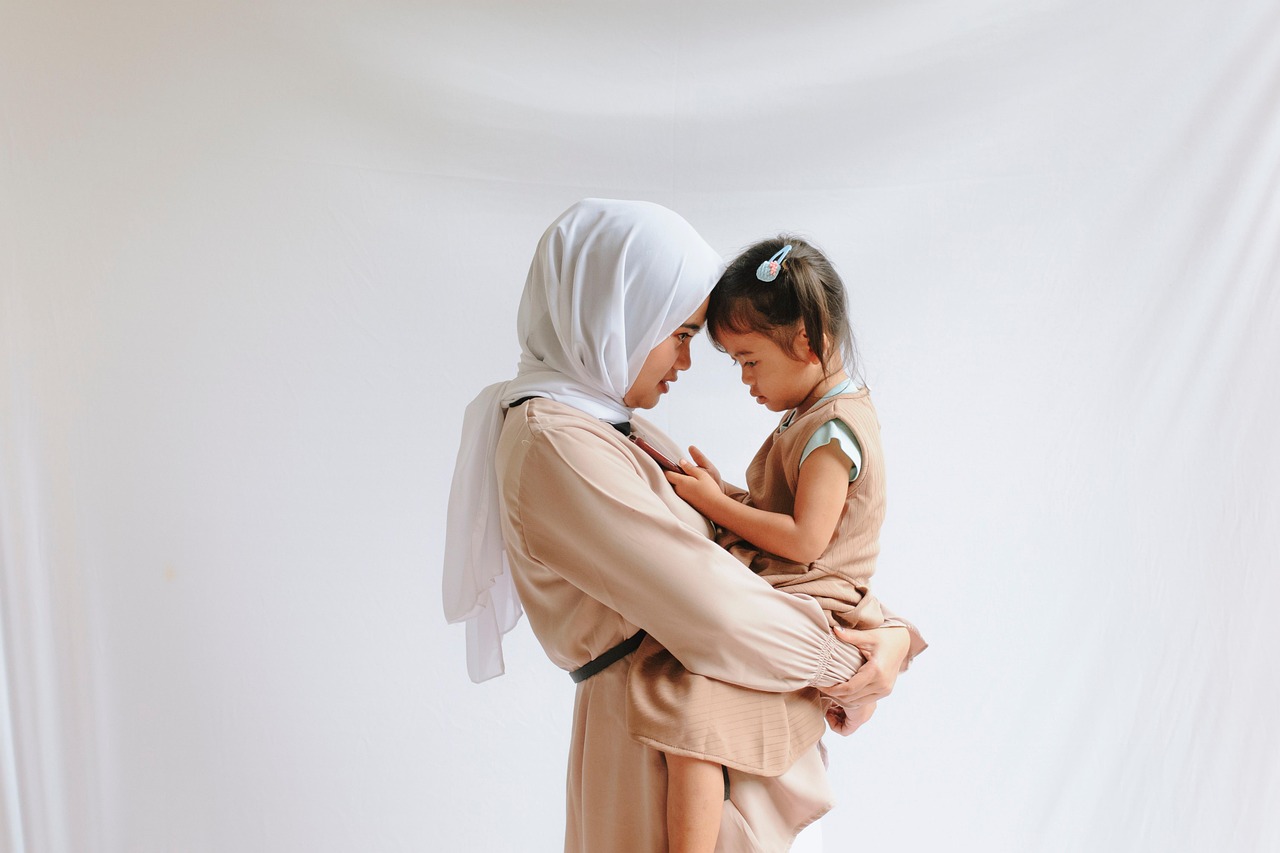
- Modesty as a universal principle: The Qur'an repeatedly calls upon believers to dress modestly. In Surah An - Nur, it says,
"O you who have believed, let those of you who have faith and those who have not yet reached a state of faith... cover their faces and cover themselves with their cloaks." (Qur'an 24:31)
- Equality before God: The Qur'an emphasizes that outward appearance should not be a means of distinction. In Surah Al - Ahzab, it reminds us that the modesty of both men and women is a sign of faith:
"Indeed, Allah is acquainted with what you do." (Qur'an 33:35)
- Empowerment through obedience: The Qur'an frames the hijab as a voluntary act of obedience that strengthens a believer's relationship with God. It encourages a conscious choice:
"And whoever obeys Allah and the Messenger - Allah will increase her in faith." (Qur'an 5:8)
Hadith and the Early Muslim Community
The Prophet Muhammad's (peace be upon him) teachings provide additional guidance. While the collections of Sahih Bukhari and Sahih Muslim emphasize modesty, they also highlight the importance of intention and dignity. The early Muslim women who wore the hijab were not merely following a dress code; they were safeguarding their dignity in a society where women's modesty was often threatened.
Personal Motivations: Identity, Empowerment, Spirituality
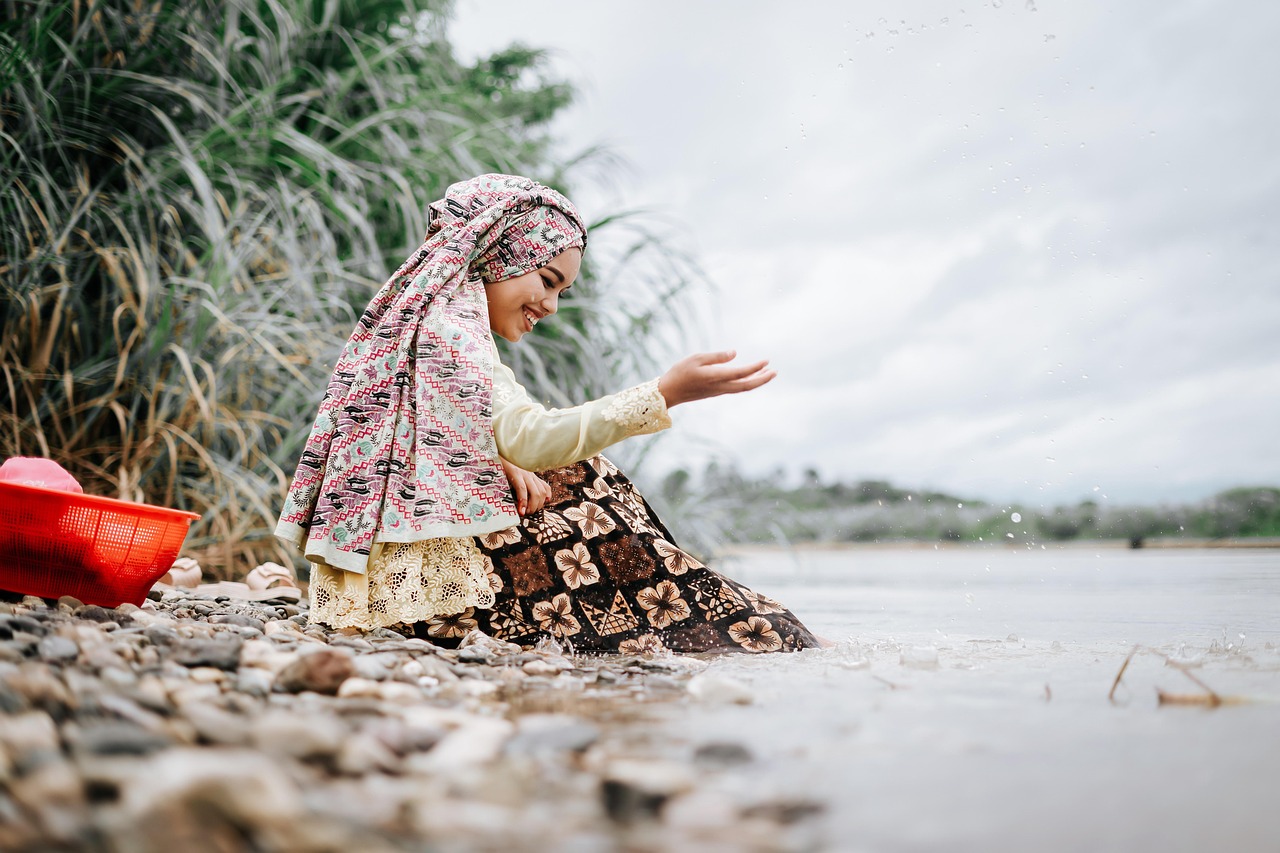
- Expression of faith: For many, the hijab is a visible reminder of their commitment to the Qur'an and the Prophet's Sunnah. It signals a conscious decision to live according to divine guidance.
- Protection from unwanted attention: The hijab can serve as a barrier against objectifying gazes, allowing women to engage in public life without feeling exposed or judged.
- Sense of community: Wearing the hijab often creates a shared identity among Muslim women, building solidarity across cultures and languages.
- Spiritual focus: By covering the hair, women may experience a heightened sense of humility and concentration in prayer, reducing worldly distractions.
Cultural Contexts and Societal Influences
While the Qur'an and hadith lay the foundation, cultural practices shape how the hijab is perceived and worn. In some regions, it is an integral part of daily attire, while in others it is a choice taken in response to societal pressures or personal conviction. Importantly, the decision to wear the hijab is rarely monolithic; it is often the result of a complex interplay between religion, culture, and personal experience.
The Hijab as a Symbol of Modesty and Protection
Modesty, or haya, is a central value in Islam. The hijab embodies this virtue by encouraging modesty in appearance and interaction. It also offers a layer of protection - physical and psychological - against social pressures that might otherwise compromise a woman's sense of self.
Misconceptions and Contemporary Discussions
Modern debates often mischaracterize the hijab as a symbol of oppression. However, many Muslim women affirm that it is a source of empowerment and agency. Understanding the hijab requires listening to women's voices and recognizing the diversity of their experiences.