
Who Was William Shakespeare?
William Shakespeare remains the most celebrated playwright in the English language, a figure whose influence stretches from the stages of London to classrooms worldwide. Though his name is synonymous with genius, the details of his life are as intriguing as the plays he penned. Below we trace his journey, highlight his key works, and answer the questions you've always had about this literary titan.
Early Life: Humble Beginnings in Stratford
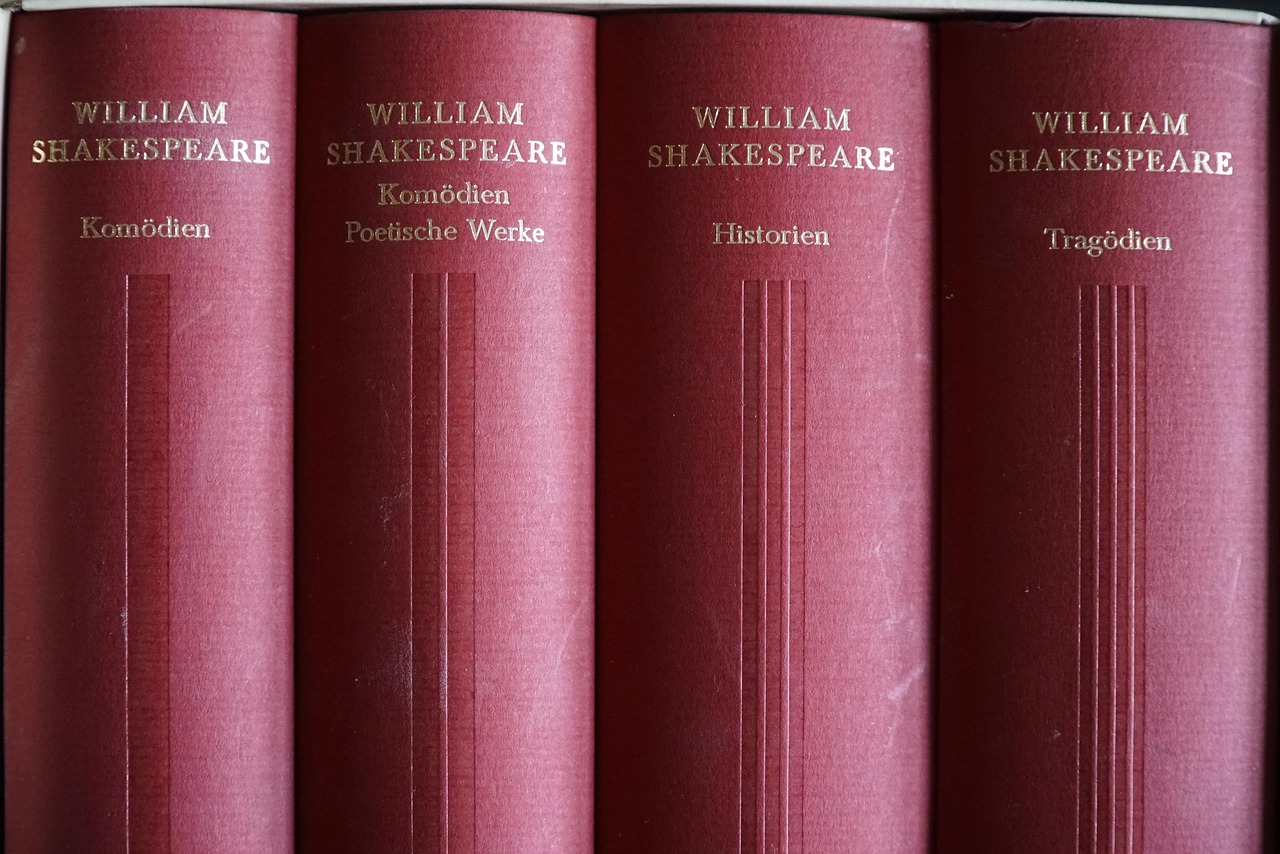
Shakespeare grew up in the small market town of Stratford‑upon‑Avon, surrounded by a community that valued storytelling and performance. His family was well‑connected, with his father a successful businessman. Though records are sparse, we know that Shakespeare received a solid education that exposed him to classical texts and the rhetoric of the day.
The Rise to London's Theatre Scene
By his early twenties, Shakespeare had moved to London, the cultural hub of England. He joined a thriving theatrical company, quickly becoming a playwright and actor. The company's name, the Lord Chamberlain's Men, later became the King's Men under a new monarch. Shakespeare's versatility - writing comedies, tragedies, and histories - helped the troupe thrive.
Key Works That Define a Legacy

- Comedies: "A Midsummer Night's Dream," "Twelfth Night," "The Merchant of Venice" - witty, imaginative, and full of human folly.
- Tragedies: "Hamlet," "Othello," "Macbeth," "King Lear" - profound explorations of ambition, love, and fate.
- Histories: "Henry V," "Richard III," "Henry IV" - dramatizations of England's past that still resonate with modern audiences.
Shakespeare's plays are celebrated for their poetic language, complex characters, and universal themes. He introduced words that have entered everyday speech, turning the English language into a richer, more expressive medium.
Common Questions About Shakespeare
- Did he write all his plays alone? While the authorship debate continues, most scholars agree that Shakespeare was the primary creative force behind the works attributed to him.
- How many plays did he write? Estimates range from 38 to 42, depending on how you count collaborative and disputed pieces.
- What makes his work timeless? His keen insight into human nature, combined with inventive storytelling, allows each generation to find relevance in his stories.
- Where can I start? Begin with "Romeo and Juliet" for romance, "Hamlet" for psychological depth, or "A Midsummer Night's Dream" for a lighter, whimsical experience.
Practical Ways to Dive Into Shakespeare Today
For the modern reader, Shakespeare can seem intimidating. Here are practical steps to make the experience enjoyable and rewarding:
- Read with a guide. Use annotated editions or companion books that explain archaic terms and historical context.
- Watch adaptations. Film and stage productions bring the plays to life and help clarify plot and character dynamics.
- Listen to audiobooks. Hearing the text performed by skilled actors can make the rhythm and meaning clearer.
- Join a discussion group. Engaging with others allows you to explore different interpretations and keep the material fresh.
- Take a course. Many universities and online platforms offer courses that break down Shakespeare's language and themes systematically.
Shakespeare's Enduring Influence on Modern Culture
Beyond literature, Shakespeare's fingerprints appear in everyday life. Phrases like "to be or not to be" or "all the world's a stage" permeate media, advertising, and conversation. In film, the use of Shakespearean motifs - such as the "king in exile" trope - demonstrates his narrative power. Even in technology, terms like "Shakespearean irony" surface in software design discussions.
Why Shakespeare Still Matters
Studying Shakespeare offers more than historical knowledge. It provides:
- Language mastery. Exposure to poetic diction enhances writing and communication skills.
- Emotional intelligence. His characters grapple with love, betrayal, ambition, and morality - issues that mirror contemporary life.
- Creative inspiration. Playwrights, screenwriters, and artists draw upon his techniques for structure, dialogue, and subtext.
Whether you're a student, a writer, or simply curious, Shakespeare's world is a wellspring of insight and enjoyment.