
1. Why Knowing Your Rights Matters
In 2026, citizens enjoy a strong framework of legal protections that safeguard personal freedom, equality, and justice. Understanding these rights not only empowers you to assert your dignity but also ensures you can hold public institutions accountable. Whether you're filing a complaint, participating in civic dialogue, or simply navigating everyday life, a clear grasp of your legal rights keeps you informed and protected.
2. Core Legal Rights Every Citizen Should Know
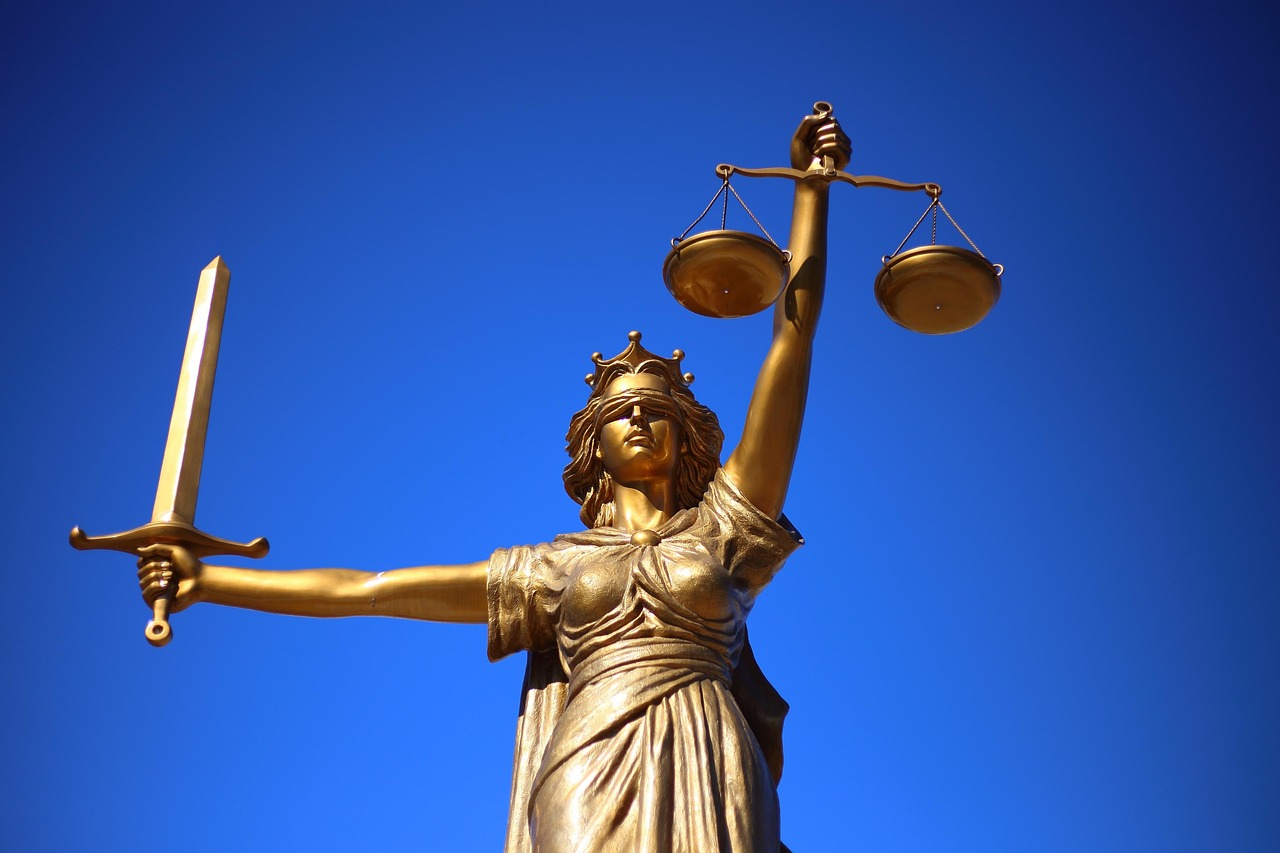
- Freedom of Speech & Expression - The right to voice opinions, share ideas, and access information, subject to reasonable restrictions such as defamation or incitement laws.
- Right to Privacy - Protection against unlawful surveillance, data misuse, and arbitrary searches, balanced with public safety measures.
- Equal Treatment & Non - Discrimination - Safeguards against discrimination on the basis of race, gender, religion, disability, or sexual orientation in public services and employment.
- Right to a Fair Trial - Includes the right to legal counsel, an impartial judge, and the presumption of innocence.
- Access to Public Records - The ability to obtain government documents, building transparency and accountability.
3. Common Questions About Your Legal Rights
- What happens if a public official violates my rights? You can file a complaint with the relevant oversight body, such as the Ombudsman or the Human Rights Commission, and seek legal redress.
- Can I challenge a government decision? Yes, through administrative appeals or judicial review, you can contest decisions that affect your rights or interests.
- How do I protect my personal data? Use secure communication channels, read privacy notices, and exercise your right to request deletion or correction of personal data under data protection laws.
4. Practical Steps to Assert Your Rights

- Educate Yourself - Read official resources such as the National Constitution, Civil Code, and relevant statutes. Many government websites provide downloadable guides.
- Keep Records - Document interactions with public officials, including dates, times, names, and the content of conversations. Written records strengthen your case if a dispute arises.
- Know the Complaint Process - Most agencies have a dedicated portal or hotline for citizen grievances. Follow the step‑by‑step instructions to file a formal complaint.
- Seek Legal Advice Early - If a situation escalates, consult a licensed attorney or a legal aid clinic. Early intervention can prevent rights violations from becoming entrenched.
- Use Mediation Services - For disputes that don't require litigation, mediation can provide a faster, cost‑effective resolution while preserving relationships.
5. Protecting Your Rights in the Digital Age
The rise of digital platforms has expanded both opportunities and risks. Here's how to stay safe:
- Enable two‑factor authentication on all accounts.
- Review app permissions regularly.
- Use reputable VPN services when accessing public Wi‑Fi.
- Report suspicious data requests to the Data Protection Authority.
6. Resources and Where to Find Help
- Ombudsman Office - Handles complaints about public sector conduct.
- Human Rights Commission - Provides guidance on discrimination and civil liberties.
- Legal Aid Clinics - Offer free or low‑cost legal assistance to eligible citizens.
- Citizen Rights Portal - An interactive platform that explains rights, provides FAQs, and offers downloadable forms.
7. Conclusion: Empowerment Through Knowledge
In 2026, the legal landscape empowers citizens to live with dignity, safety, and freedom. By staying informed, documenting interactions, and knowing how to seek help, you can confidently exercise your rights and contribute to a fair, transparent society.