
What Is UNESCO?
UNESCO - the United Nations Educational, Scientific and Cultural Organization - is a global body that brings together governments, civil society, and experts to promote peace and sustainable development through knowledge. While it is part of the UN system, UNESCO operates with a distinct focus on the humanities and social sciences, making it a vital platform for cultural dialogue and intellectual collaboration.
The Founding Principles
Established in 1945 after the devastation of World War II, UNESCO's original mission was to prevent future conflicts by building mutual understanding. The organization's charter emphasizes four pillars: education, science, culture, and communication. These pillars remain the guiding framework for all programs and initiatives.
Core Mission Areas
- Education - Building inclusive, quality education systems that enable people to reach their full potential.
- Science - Promoting scientific research and knowledge sharing to address global challenges.
- Culture - Safeguarding cultural heritage, supporting creative industries, and encouraging intercultural dialogue.
- Communication and Information - Strengthening free expression, media literacy, and the free flow of information.
UNESCO's World Heritage Programme

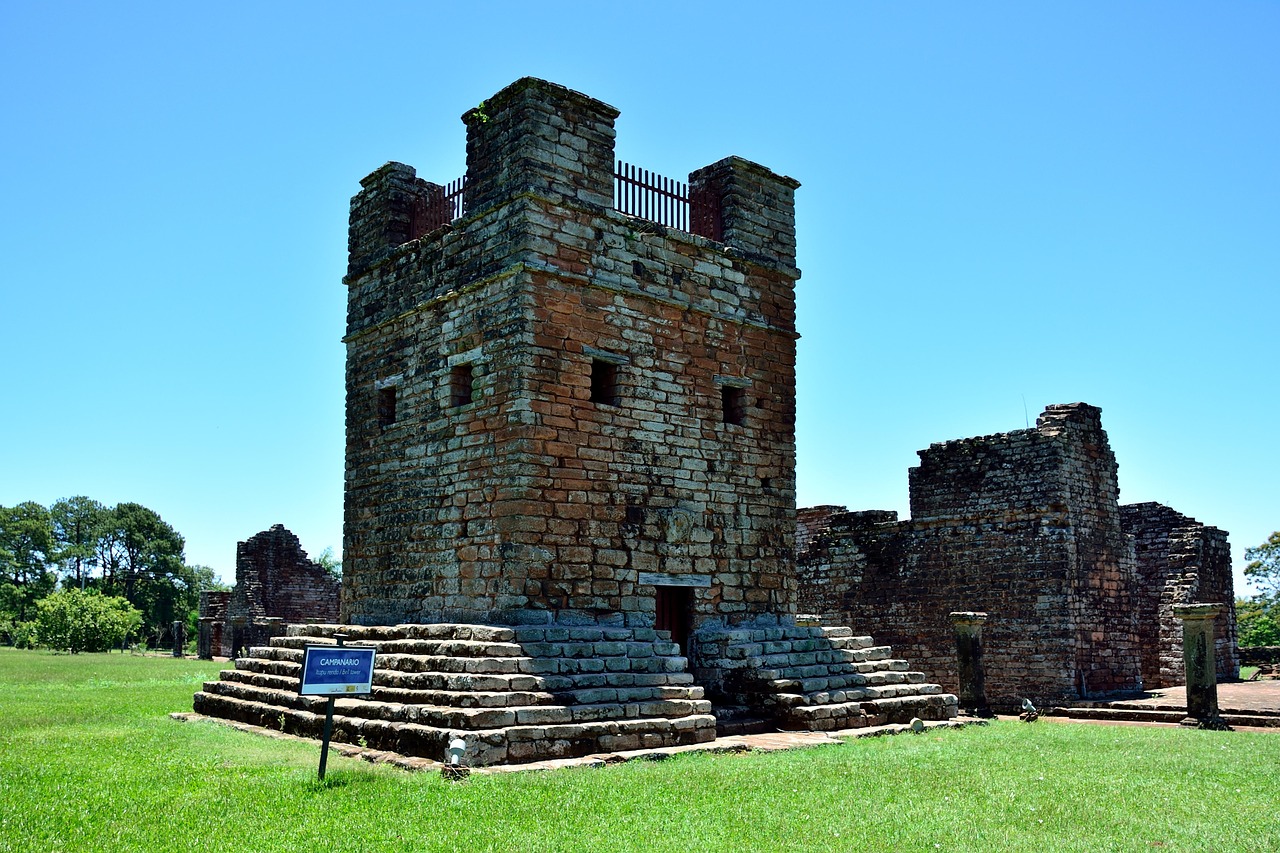
One of UNESCO's most visible contributions is the World Heritage List. It identifies sites of outstanding cultural or natural value and provides international support for their protection. From the Pyramids of Giza to the Amazon rainforest, the list raises global awareness and mobilizes resources to preserve humanity's shared legacy.
How UNESCO Works: Membership and Governance
UNESCO has 193 member states, making it one of the most widely represented UN agencies. Decision - making occurs through the General Conference and the Executive Board, ensuring that each country has a voice. The organization also partners with NGOs, universities, and private sector entities to implement its programs on the ground.
Common Questions About UNESCO
- Why is UNESCO important? It creates a global dialogue that transcends borders, allowing diverse voices to shape policies on education, science, and culture.
- How does UNESCO influence local communities? By funding projects, offering technical assistance, and facilitating knowledge exchanges that improve everyday life.
- Can individuals contribute? Absolutely - through volunteering, supporting UNESCO - endorsed projects, or simply spreading awareness.
Practical Ways to Get Involved
- Volunteer - Many UNESCO initiatives welcome volunteers, especially in education and cultural preservation.
- Donate - Contributions help fund scholarships, research grants, and heritage conservation projects.
- Educate Yourself and Others - Share UNESCO's reports and findings on social media or in local workshops to raise awareness.
- Partner with Local Organizations - NGOs can collaborate with UNESCO to align local projects with global goals.
Why It Matters for You
Whether you're a student, educator, researcher, or simply a global citizen, UNESCO's work touches every aspect of society. By supporting quality education, encouraging scientific inquiry, preserving cultural heritage, and protecting freedom of expression, UNESCO helps build resilient, inclusive communities. Engaging with UNESCO's mission means investing in a future where knowledge and creativity know no borders.